
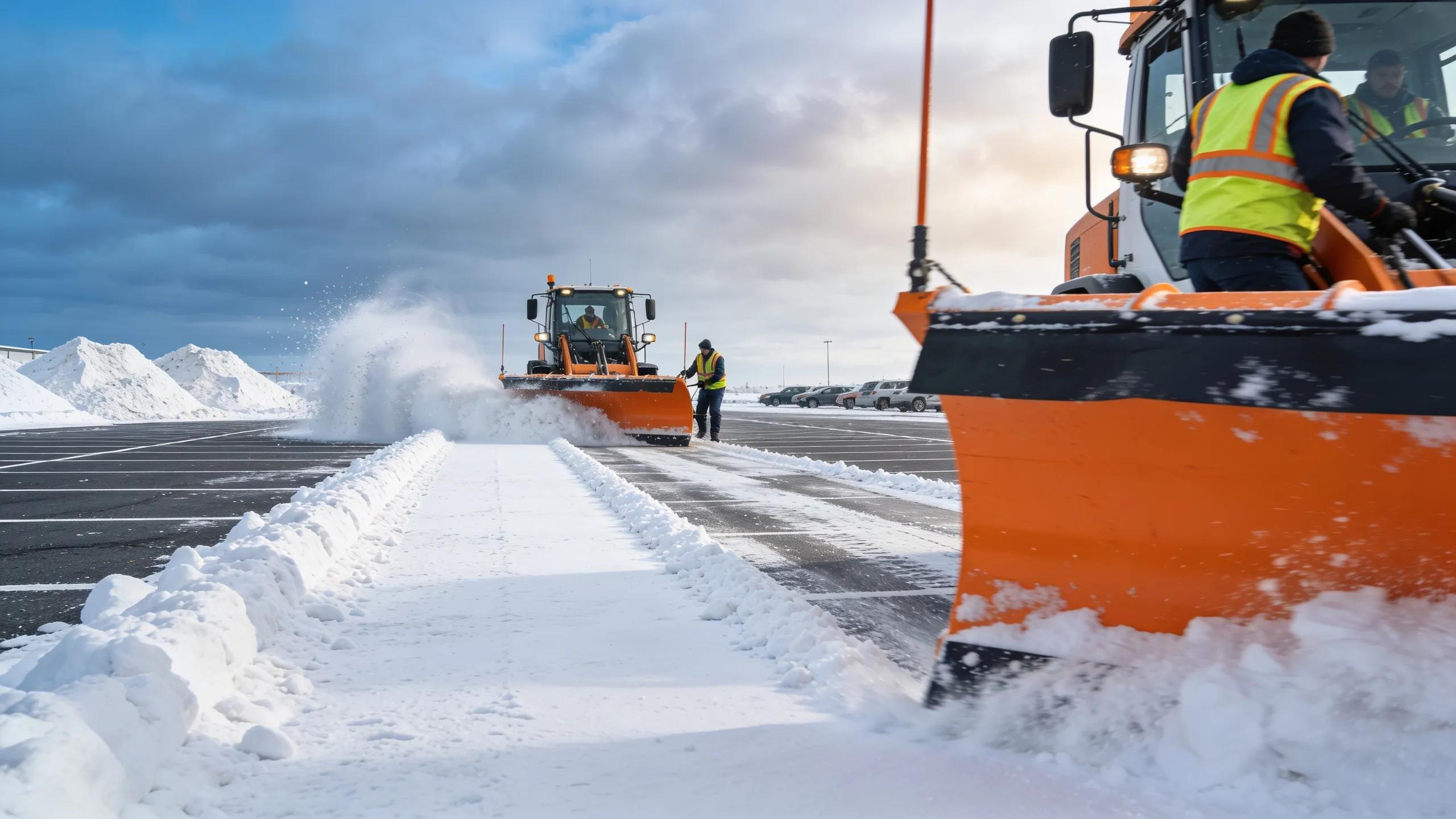
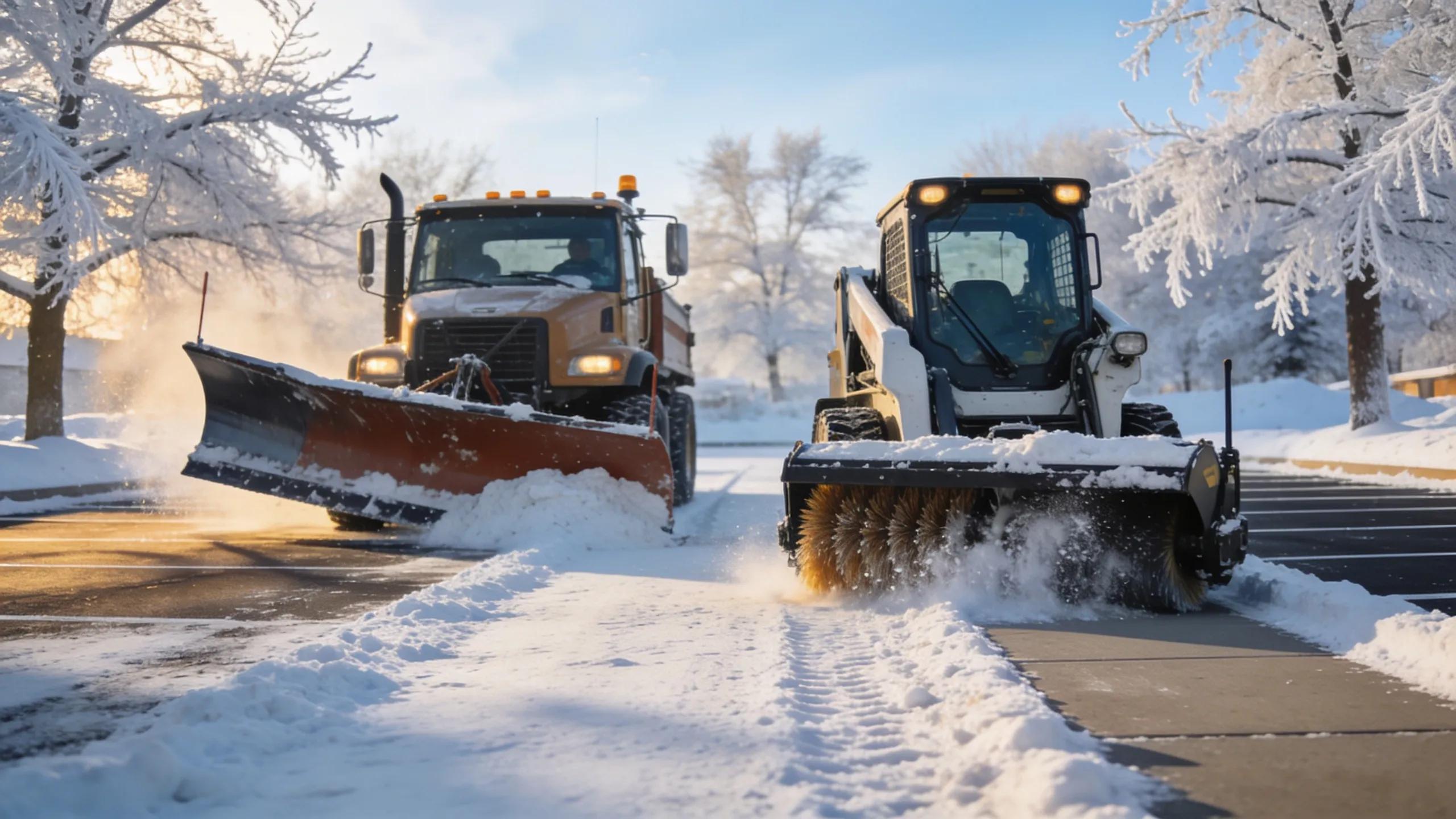
As the sweltering heat of summer begins to wane, August emerges as a pivotal time for businesses in New Hampshire to secure commercial snow removal contracts. This proactive approach not only ensures preparedness for the harsh winter months but also allows property managers to benefit from optimal pricing and services. By acting early, businesses can negotiate better terms, avoid the last-minute rush, and ensure their properties remain accessible and safe during icy conditions. This article explores why August is critical for securing these contracts and highlights the essential services involved in commercial snow removal. We will also discuss the impact of New Hampshire’s unique weather patterns, the advantages of integrated service packages, and provide guidance on securing contracts with local providers such as Groundhog Landscaping.
Why Is August Critical for Booking Snow Removal Contracts in NH?
August is a crucial month for booking snow removal contracts in New Hampshire due to several key factors. Firstly, the seasonal nature of snow removal services means that many companies begin preparations well in advance of winter. By booking contracts during August, businesses can secure their services early, gaining access to a broader range of options and competitive pricing. Additionally, early contracting enables property managers to assess their specific needs more thoroughly, ensuring that the right services are tailored to their unique circumstances.
Negotiating contracts in August also presents a strategic advantage. As demand for snow removal services increases as winter approaches, prices may rise. By committing early, businesses have the opportunity to lock in lower rates before the rush. Furthermore, early agreements provide the opportunity to include additional services such as pre-season inspections, ensuring that properties are thoroughly prepared for whatever winter may bring.
What Makes August the Ideal Month for Preseason Agreements?
August allows proactive planning and service engagement, which can significantly mitigate winter-related challenges. Businesses that secure contracts in this month can have property assessments conducted early, identifying areas that may require greater attention during snow removal operations. Through early engagement, companies like Groundhog Landscaping can implement tailored solutions, including strategies for effectively managing snow accumulation and minimizing safety risks, thus ensuring business continuity.
Another critical reason to finalize contracts in August is the opportunity for cost management. Early agreements often come with securing rates that remain stable despite potential price increases closer to winter. It also provides a buffer period where clients can review the specifics of their contracts, addressing any potential concerns or additional requests without the pressure of impending winter weather.
How Does Early Contracting Protect Your NH Property from Winter Risks?
Securing commercial snow removal contracts early in the season is essential for protecting properties from various winter risks. By finalizing these contracts in August, businesses reduce the likelihood of unexpected disruptions caused by heavy snowfall or icy conditions. One significant risk associated with winter weather is the potential for slip and fall accidents on commercial properties. Early contracting allows services to commence with sufficient resources available to address these hazards promptly.
Moreover, the risk of property damage due to uncontrolled snow buildup can result in costly repairs. A well-structured snow removal plan, tailored to specific property layouts and business needs, can minimize these risks effectively. Engaging with experienced providers familiar with New Hampshire’s climate, such as Groundhog Landscaping, ensures that businesses have the support they need for a safe winter season.
What Services Are Included in Commercial Snow Removal Contracts?
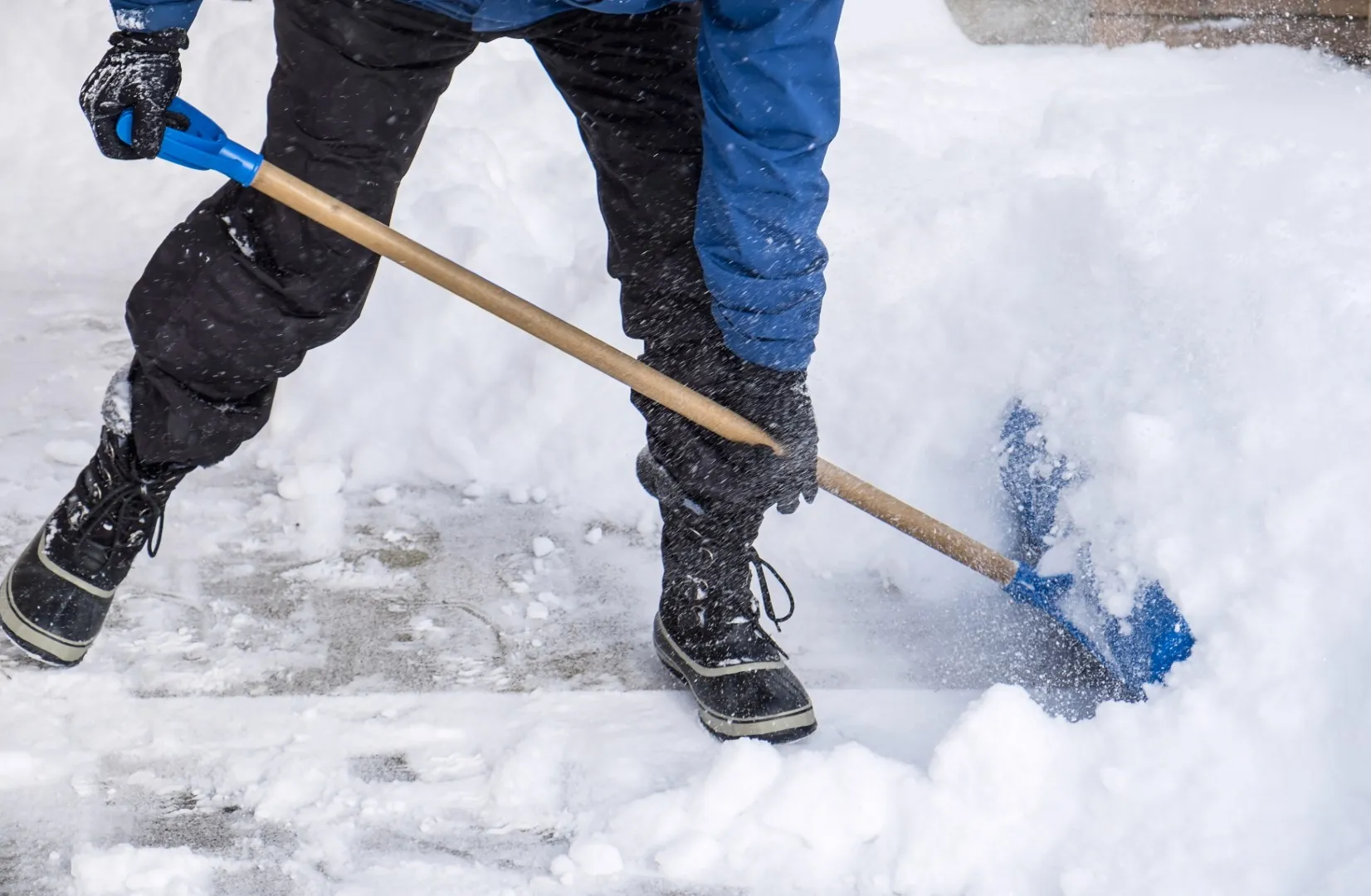
Commercial snow removal contracts typically include a comprehensive range of services designed to manage snow and ice effectively.
These services aim to maintain safe conditions for employees, customers, and visitors, reducing the risk of accidents and providing peace of mind throughout the winter months. Businesses can choose from tailored packages that address their specific needs, ensuring comprehensive care.
How Do Snow Plowing and Ice Management Work Together?
The integration of snow plowing and ice management is vital to an effective winter maintenance strategy. Snow plowing removes accumulated snow from surfaces to ensure clear access and reduce hazards, while ice management focuses on mitigating potential ice formation through the application of appropriate de-icing agents. Effective coordination between these two services ensures that properties are not only clear of snow but also protected against dangerous icy conditions.
This systematic approach is particularly valuable in New Hampshire, where weather conditions can fluctuate significantly. Continuous monitoring before and after snow events, combined with pre-treatment strategies, offers optimal safety for businesses and the public alike.
What Winter Property Maintenance Is Covered Beyond Snow Removal?
In addition to snow removal services, winter property maintenance encompasses various tasks that ensure overall safety and functionality during the winter months. These services can include:
Salting and Sanding: Applying materials to improve traction and reduce ice formation.
Sidewalk and Entrance Clearance: Ensuring that paths are clear for customer access to maintain business operations.
Snow Pile Relocation: Providing clear visibility reduces the risk of an auto or pedestrian accident.
This comprehensive winter maintenance strategy not only facilitates safe access but also demonstrates a commitment to care and responsibility, enhancing a business’s reputation within the community.
How Do New Hampshire Weather Patterns Affect Snow Removal Planning?
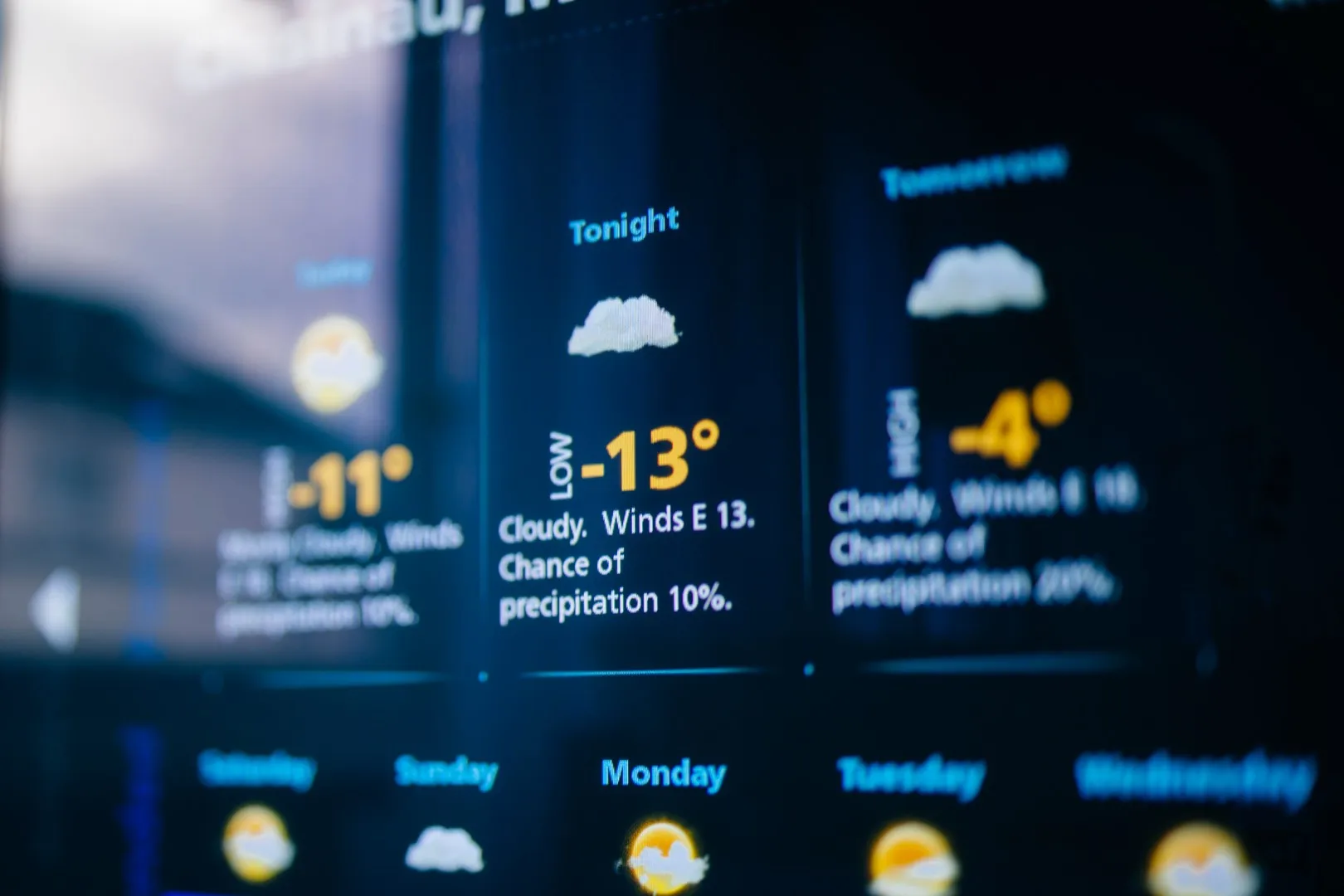
New Hampshire experiences distinct weather patterns that significantly influence snow removal strategies. The state is known for its heavy snowfall and rapid weather changes, which can manifest as severe storms leading to substantial snow accumulation within short periods. Understanding these patterns is essential for property managers when planning their snow removal services and requirements.
What Recent Snowfall Trends Should NH Businesses Know?
Recent snowfall trends in New Hampshire indicate increasing variability in snowfall, which has implications for snow removal strategies. Some areas may face heavier snowfalls than in previous years, making it crucial for businesses to adjust their contract terms accordingly. Early contractual agreements made in August allow businesses to negotiate terms that specifically address these trends, ensuring that they have adequate resources allocated for both light and heavy snow events.
How Does Snowfall Variability Influence Contract Timing and Terms?
The irregularity of snowfall not only impacts the volume of snow removal needed but also the timing of when services are activated. Businesses should consider tiered contracts that allow for varying levels of service based on weather forecasts; this flexibility can enhance preparedness and ensure prompt responses to snow events. Securing these terms in August allows for detailed discussions with providers to customize agreements based on predicted weather patterns.
How Can Combining Landscaping and Snow Removal Contracts Benefit Your Business?
Combining landscaping and snow removal contracts offers numerous advantages for businesses looking to streamline their service management needs. This integrated service approach ensures that both summer and winter property maintenance are handled by the same provider, resulting in a consistent level of quality.
What Are the Advantages of Integrated Seasonal Service Packages?
There are several benefits to opting for integrated seasonal service packages:
Cost Efficiency: Bundling services typically results in lower overall costs compared to hiring separate contractors.
Consistency in Service: One provider can ensure that landscaping and snow removal efforts complement each other for year-round property maintenance.
Simplified Communication: Having a single point of contact fosters better communication and coordination throughout the year.
This holistic approach enhances operational efficiency and ensures that properties are maintained at optimal standards throughout the seasons.
How Does Groundhog Landscaping Tailor Solutions for NH Commercial Clients?

Groundhog Landscaping specializes in providing tailored snow removal solutions for commercial clients in New Hampshire. By understanding the unique challenges posed by the state’s diverse winter weather, the company offers customized service plans designed to meet the specific needs of each property.
Their commitment to quality and excellence ensures that businesses receive the right support to maintain safe access and operational efficiency throughout the winter season.
What Steps Should You Follow to Secure Your Commercial Snow Removal Contract in August?
To secure a commercial snow removal contract effectively, businesses should follow a series of strategic steps:
Assess Property Needs: Evaluate the specific requirements for snow removal based on property size and environment.
Research Local Providers: Investigate local landscaping companies to find those with a strong reputation for snow removal services, such as Groundhog Landscaping.
Request Quotes: Obtain multiple quotes to compare pricing and services offered, factoring in the unique needs of your property.
Review Contract Terms: Pay close attention to the details of contract terms, including service frequencies and conditions for activation during winter events.
How Do You Request a Quote for NH Commercial Snow Plowing Services?
Requesting a quote for commercial snow plowing services involves contacting prospective providers directly. It is advisable to provide specific details about the property, including size, location, and any unique requirements. Clear communication helps providers offer accurate quotes that reflect the services needed.
What Should You Ask When Choosing a NH Snow Removal Company?
When evaluating potential snow removal companies, it’s important to ask the following questions:
What specific services are included in the contract?
How do you handle scheduling during winter weather events?
Can you provide references from previous clients?
What safety protocols do you implement during snow removal operations?
These inquiries help ensure that businesses select a reputable provider capable of meeting their winter maintenance needs effectively.
What Common Questions Do NH Property Managers Have About Preseason Snow Contracts?
Property managers frequently have concerns regarding the timing and execution of preseason snow removal contracts. Addressing these questions can facilitate informed decision-making and promote early agreements.
Why Is It Important to Hire Snow Services Early in NH?
Hiring snow services early in New Hampshire is crucial for several reasons. It ensures competitive pricing, allows for comprehensive planning, and provides property managers with peace of mind during the unpredictable winter months. Early commitment significantly reduces last-minute scrambling for services during peak demand periods.
What Are the Risks of Delaying Your Snow Removal Contract Beyond August?
Delaying snow removal contracts beyond August presents several risks, including higher service costs as demand spikes in approaching winter months. Additionally, property managers may miss out on securing their preferred snow removal providers, resulting in limited availability and potentially inadequate service levels. This can lead to unsafe conditions on their properties, increasing the risk of accidents and negative customer experiences during winter.
In summary, August stands out as the prime opportunity for securing commercial snow removal contracts in New Hampshire. By understanding the importance of early contracting and leveraging reliable service providers like Groundhog Landscaping, businesses can protect their properties, ensure safety, and maintain operational continuity throughout the winter.