
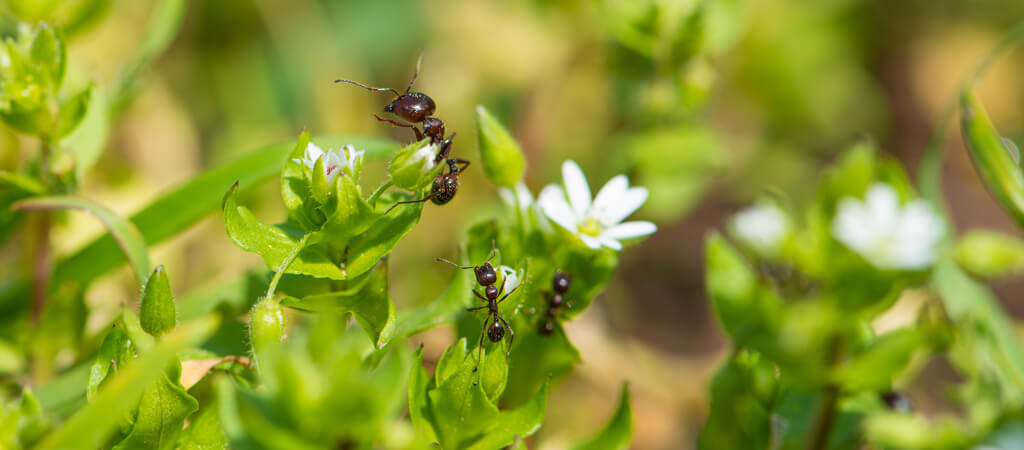
Are Ants Really Bad For Home Landscapes?
Are Ants Really Bad For Home Landscapes? Read More »
Understanding the prevalent pests in New Hampshire is the first step towards effective landscape management. These unwelcome visitors can range from common insects that damage foliage and roots to larger animals that disrupt garden beds and lawns. Identifying these pests accurately allows for targeted and efficient control strategies.
Common culprits in the region include aphids, which suck sap from plants, and grubs, which feed on grass roots, leading to yellowing and thinning turf. Deer can also cause significant damage by browsing on ornamental plants and shrubs. Recognizing the signs of infestation, such as chewed leaves, wilting, or visible insect activity, is crucial for timely intervention.
Ants, while sometimes beneficial in breaking down organic matter, can become a nuisance and even a threat to the health of your home landscape. Their colonies can disrupt soil structure, and certain species may damage plants or even enter homes in search of food. Implementing strategic control measures is key to managing ant populations effectively.
Integrated Pest Management (IPM) techniques are highly recommended for ant control. This can involve natural deterrents, such as essential oils or vinegar solutions, to repel ants from specific areas. For more persistent infestations, targeted baiting systems can be used, which ants carry back to their colonies, effectively eliminating the source. Maintaining a clean yard, free of food sources and standing water, also plays a vital role in preventing ant problems.