
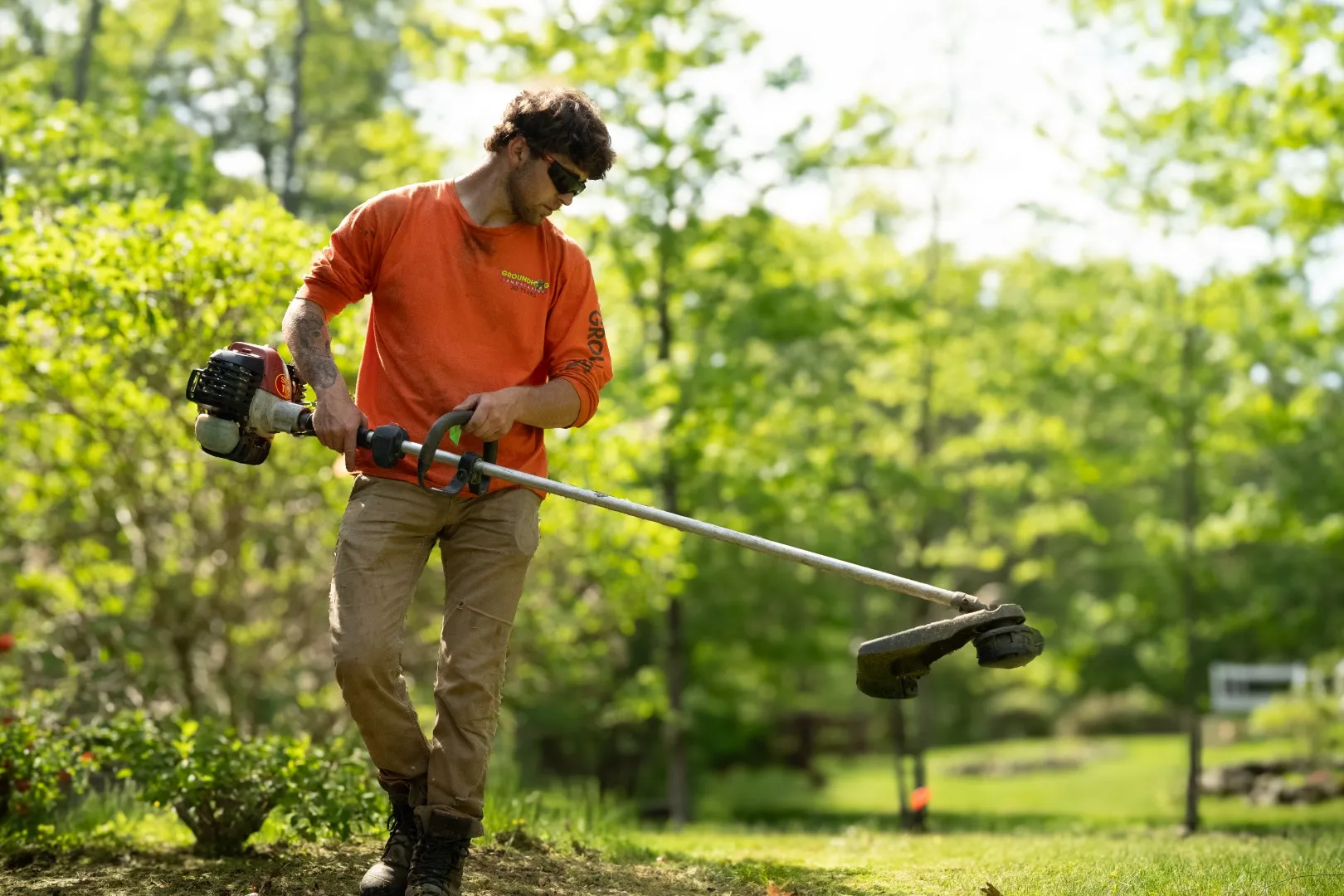
Maintaining a beautiful lawn and flower beds during the hot summer months can be a challenge, especially in Derry, NH, where local climate conditions play a significant role in plant health. This guide provides essential insights into effective summer lawn care and bed maintenance strategies to keep your property pristine. Readers will learn about best practices, seasonal tips, and the importance of professional services tailored to local needs. Understanding the intricacies of lawn and bed maintenance is crucial in preventing common issues associated with summer heat. We’ll explore the best practices for lawn care, seasonal bed maintenance techniques, and professional services that can take your property to the next level.
Comprehensive Guide on Summer Lawn Care & Bed Maintenance in Derry, NH
A well-maintained lawn and vibrant flower beds not only enhance the aesthetic appeal of your property but also contribute to its overall value. Effective summer lawn care and bed maintenance involve a combination of proper techniques and understanding local environmental factors. The warm weather in Derry can stress plants, requiring careful attention to watering, fertilization, and pest control. By applying the best practices outlined in this guide, homeowners can ensure their gardens flourish all summer long.
Best Practices for Lawn Care
When it comes to maintaining a healthy lawn during the summer, following specific best practices is essential. These best practices include mowing at the correct height, proper irrigation techniques, effective fertilization, weed control methods, pest management strategies, and regular aeration. Collectively, these practices contribute to a lush and healthy lawn.
Mowing Height
Mowing at the correct height is crucial for the health of your lawn. Keeping grass blades at an optimal length allows them to develop deep roots, which better access moisture and nutrients. For most grass types common in Derry, maintaining a mowing height of about 2.5 to 4 inches is recommended. This height not only promotes health but also helps retain soil moisture and prevent weed growth.
Irrigation
Effective irrigation is vital during the hot summer months. Lawns typically require 1 to 1.5 inches of water per week, including rainfall. Deep watering encourages deep root growth, making the grass more resilient to drought. Watering early in the morning or late in the evening can maximize efficiency by reducing evaporation. Regularly check irrigation systems to ensure they are functioning correctly and adjust settings based on rainfall.
Fertilization
Summer is an important time for fertilization, as grass can deplete nutrients quickly under the stress of heat. It’s best to use a balanced fertilizer that is suitable for the local climate. A slow-release nitrogen fertilizer can last several weeks and provide steady nourishment. Apply fertilizers according to your specific lawn type and follow up with watering to help activate the nutrients.
Weed Control
Weeds can be particularly problematic in summer, competing with your lawn for nutrients and water. Preventative measures such as applying pre-emergent herbicides can help control weed growth before they emerge. For existing weeds, consider hand-pulling or using targeted post-emergent herbicides. Regular mowing can also prevent weeds from flowering and spreading.
Pest Management
Various pests, including grubs and chinch bugs, tend to thrive in warm weather. Regular inspections can help identify any infestations early. Implementing an integrated pest management approach is effective, combining chemical, biological, and cultural controls. In some cases, consulting a professional pest management service may be necessary for effective treatment.
Aeration
Aeration is a crucial summertime practice that involves perforating the soil with holes to allow air, water, and nutrients to penetrate the grass roots. This process alleviates soil compaction caused by foot traffic and enhances the health of your lawn. Aerate your lawn during the summer, ideally when the grass is actively growing, to maximize recovery.
Seasonal Bed Maintenance Techniques
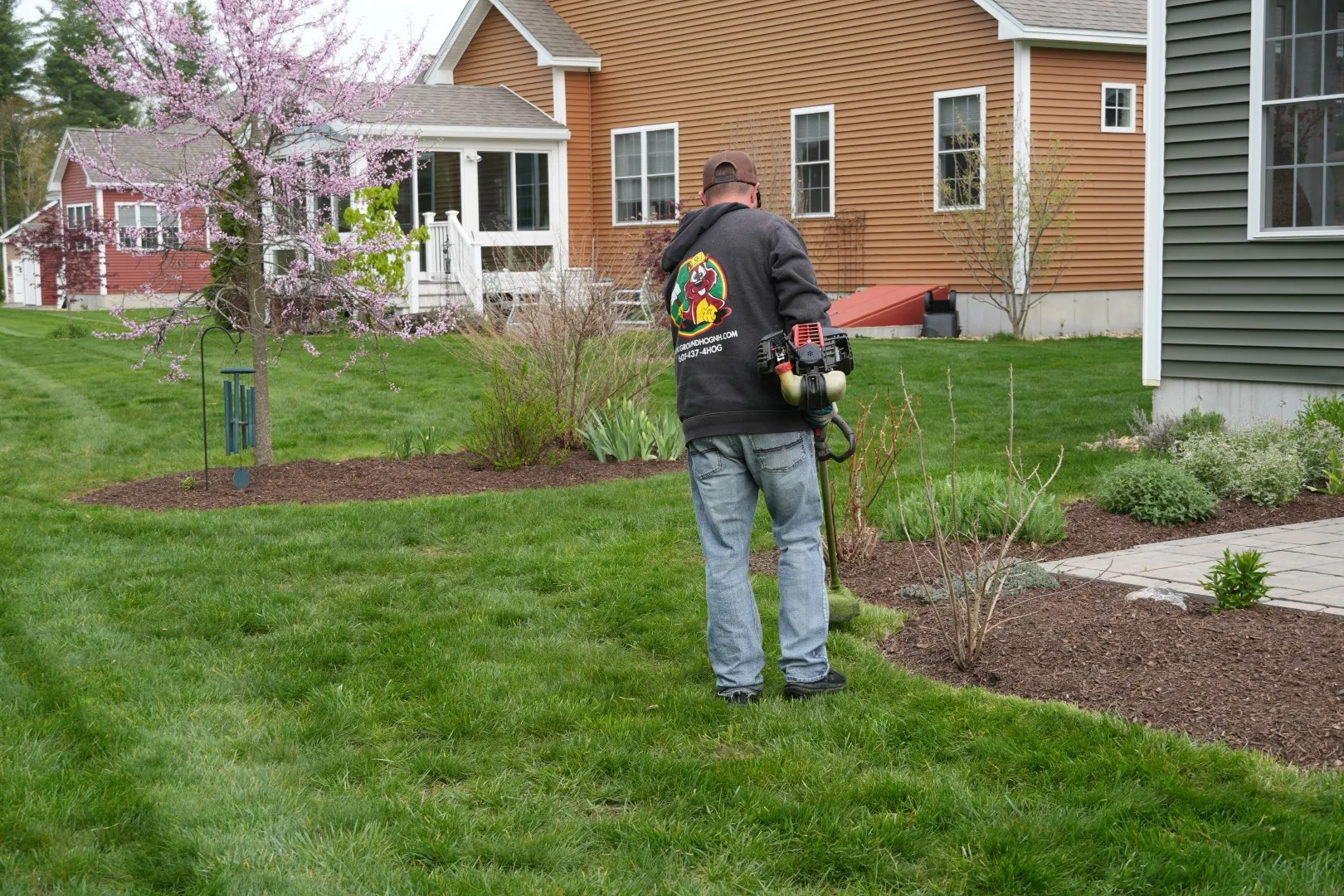
While lawns require specific care, flower beds also need attention to thrive during the summer months. Techniques such as mulching, weeding, shrub care, cleanups, and maintaining irrigation systems are vital for enhancing garden appearance and health.
Mulching
Mulching is often overlooked but is essential for flower beds, offering multiple benefits. Various types of mulch can help retain soil moisture, suppress weeds, and improve soil health as they decompose. Organic mulches like bark or straw are particularly beneficial. Apply a 2 to 4-inch layer of mulch around plants to conserve moisture and regulate soil temperature.
Weeding
Regular weeding is important to maintain the health of your flower beds. Weeds steal nutrients and water from more desirable plants. It is advisable to weed gardens weekly, especially after rainfall when the soil is softer. Tools such as hand weeders or hoe can be effective for removing weeds efficiently. A regular weeding routine will enhance the overall appearance of your garden.
Shrub Care
Healthy shrubs contribute significantly to the aesthetic appeal of flower beds. Pruning is an essential maintenance task that promotes growth and prevents overcrowding. Regularly inspect shrubs for dead or diseased branches and remove them promptly to enhance air circulation. Ensuring shrubs receive adequate watering, especially during hot spells, is also critical.
Seasonal Cleanups
A summer cleanup involves removing debris, dead leaves, and spent flowers to keep your garden looking its best. This practice not only enhances appearance but also helps prevent pests from taking residence in your flower beds. Schedule cleanups regularly, especially after storms or heavy winds, to maintain a neat landscape.
Irrigation Maintenance
During the peak of summer, irrigation systems must be monitored for efficiency. Regularly check for leaks or clogs in hoses and sprinkler heads. Adjust watering schedules based on plant needs and weather conditions, and ensure that every plant receives adequate moisture without overwatering.
Tips Considering the Local Climate
Derry’s climate presents unique challenges for property care, particularly in summer. Homeowners should be mindful of local conditions when planning lawn and garden care. Considerations to keep in mind include managing heat stress, timing maintenance tasks appropriately, and selecting native plants that require less water and maintenance.
How Often Should You Schedule Lawn Mowing Services in Derry NH Summer?
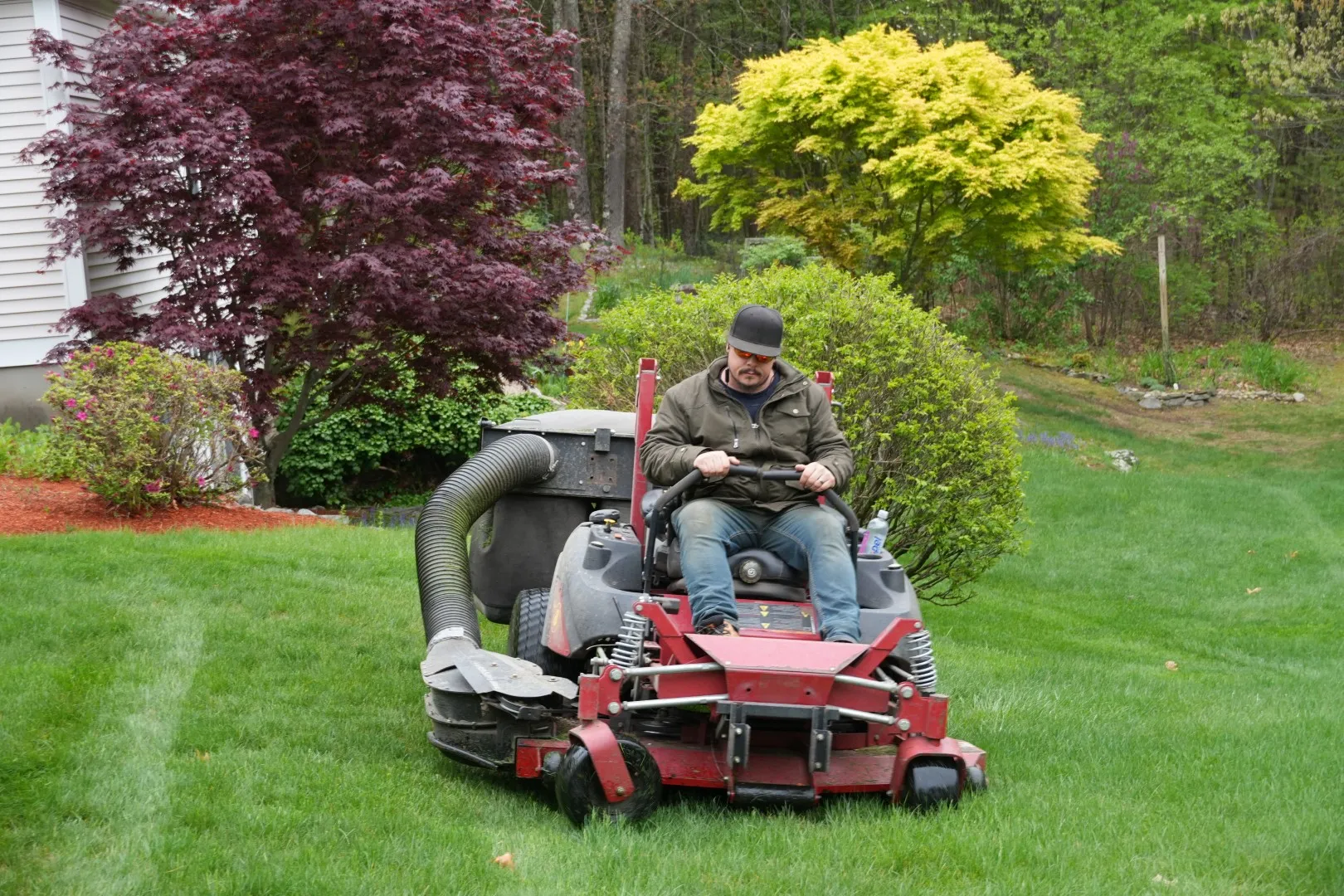
Scheduling regular lawn mowing services is crucial for maintaining a healthy lawn. In Derry, mowing every 1 to 2 weeks is generally recommended during the summer months, depending on growth rate and weather conditions. Ensuring your lawn is kept at the correct height can significantly impact its overall health.
What mowing frequency keeps your lawn healthy and neat?
Maintaining a consistent mowing frequency support a balanced lawn appearance. Cutting grass to the appropriate length every week or two encourages healthy growth, prevents weeds, and promotes a lush appearance. By adapting your mowing strategy to seasonal growth patterns, you can keep your lawn thriving throughout the summer.
Which lawn mowing techniques and equipment work best in summer?
Utilizing the right mowing techniques and equipment is critical in the summer heat. Sharp mower blades are essential to ensure a clean cut, and varying the mowing pattern helps prevent soil compaction. Consider using a mulching mower that returns nutrients back to the lawn and minimizes waste.
What Are the Best Practices for Summer Bed Weeding and Maintenance in New Hampshire?
Effective bed weeding and maintenance require regular attention and specific tools. For New Hampshire gardens, timely monitoring and manual removal of weeds are key practices. It is also recommended to mulch beds adequately to diminish the chances of weed growth while retaining moisture during hot months.
How can regular bed weeding improve your garden’s health?
Regular bed weeding plays a significant role in garden vitality. By ensuring that nutrients and water are readily accessible to your desired plants, consistent weeding prevents the spread of weeds that can compete for resources. Moreover, a weed-free garden is not only healthier but also enhances overall garden aesthetics.
What tools and methods make bed weeding easier and more effective?
Using the right tools can greatly enhance the effectiveness of bed weeding. Some helpful tools include hand weeders, trowels for deeper root removal, and mulching materials to cover bare soil. Effective methods combine manual removal with periodic application of organic herbicides to control stubborn weeds.
Why Is Mulching Important for Soil Health During Derry NH Summers?
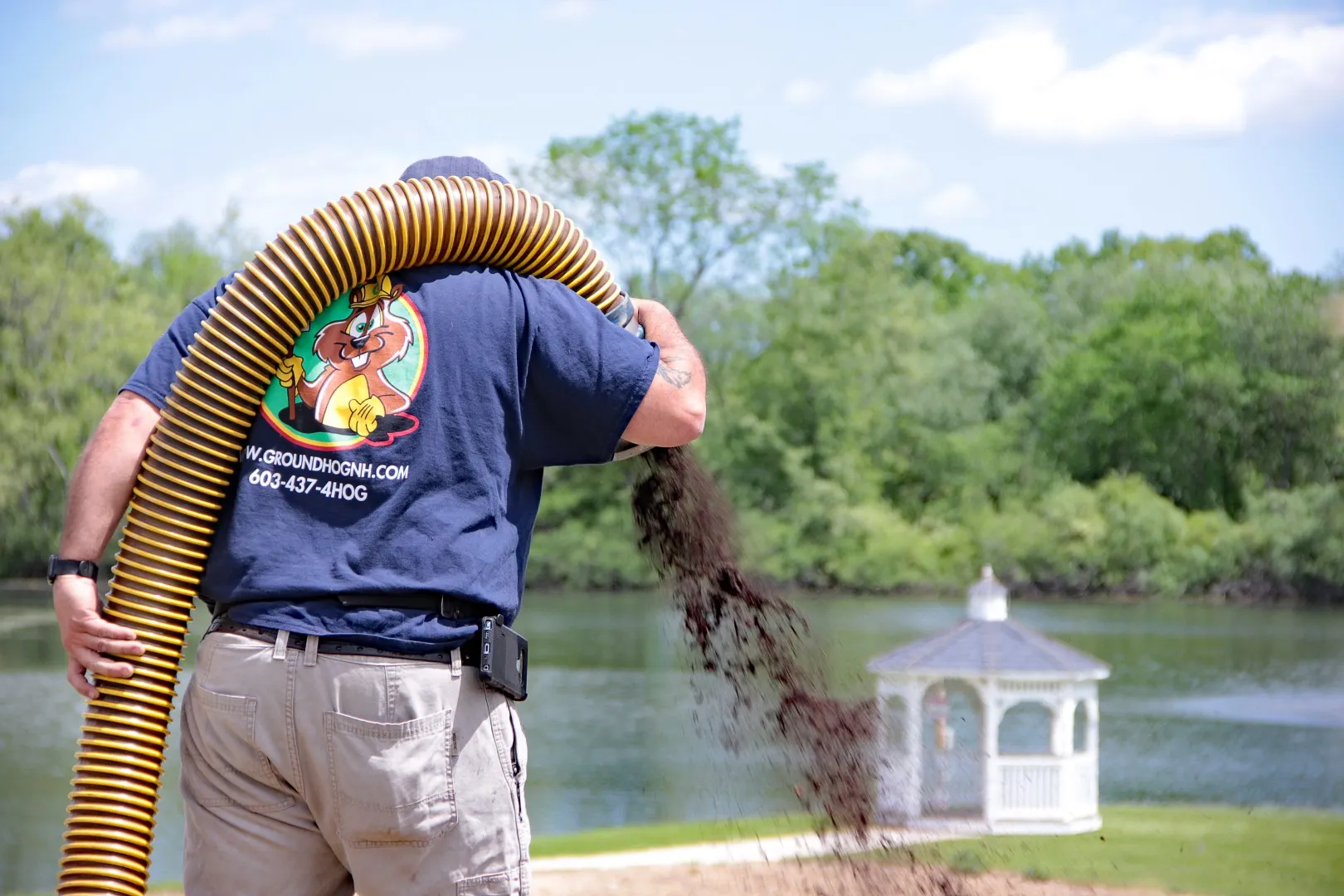
Mulching is pivotal for maintaining soil health during the warm summer months. It helps in retaining soil moisture, suppressing weeds, and providing additional nutrients as it breaks down. Investing time in proper mulching techniques can significantly improve plant performance throughout the summer.
How does mulching retain soil moisture and prevent weed growth?
Mulching retains soil moisture by providing a protective layer that reduces evaporation rates. This barrier also hinders weed seed germination, leading to fewer weeds competing for nutrients and space in the flower beds. Using organic mulch can further enhance soil quality by adding nutrients through decomposition.
Mastering Summer Bed Weeding and Maintenance in NH
For summer application in New Hampshire, several mulch types are particularly effective, including shredded hardwood, pine needles, and straw. Each type has its advantages, with shredded hardwood providing good moisture retention and pine needles helping to acidify the soil for acid-loving plants.
When and How Should You Fertilize and Manage Pests for Summer Lawn Care?
Understanding the timing and methods for fertilization and pest management is crucial for summer lawn care success. Early summer is typically the best time to apply fertilizers, ensuring that your lawn receives the necessary nutrients to thrive during the heat. For pests, early intervention often prevents larger infestations later in the season.
What fertilization schedules yield the healthiest summer lawns?
For optimal summer lawns, fertilization should be scheduled every 6-8 weeks, using a nitrogen-rich formula that supports growth during hot months. Adjusting applications based on soil testing can determine specific nutrient needs, enhancing the effectiveness of fertilization.
How Can Professional Landscaping Services Elevate Your Summer Lawn and Bed Care?
Professional landscaping services provide invaluable support in maintaining a beautiful property during the summer. Experienced landscapers understand the nuances of local climates and can customize care plans to meet each client’s unique needs.
What personalized service plans does Groundhog Landscaping Inc offer?
Groundhog Landscaping Inc offers tailored service plans designed to meet the specific needs of homeowners in Derry, NH. Our services include comprehensive lawn care and bed maintenance consultations that adapt to the local climate and individual property requirements.
How do professional services compare to DIY summer lawn and bed maintenance?
Professional landscaping services often provide superior knowledge about effective lawn care techniques compared to DIY methods. Especially during hot summer months, experienced professionals can ensure your property remains healthy and vibrant without the guesswork associated with DIY approaches.
What Seasonal Tips Keep Your Derry NH Property Looking Pristine All Summer?
To maintain a pristine property, implement preventative strategies such as regular watering, appropriate pruning, and consistent mowing. Seasonal care ensures that properties look their best and thrive despite the hot weather challenges.
How do seasonal weather patterns affect lawn and garden care decisions?
Seasonal weather influences both lawn and garden care considerably. By keeping an eye on local forecasts, homeowners can adjust their maintenance strategies accordingly, ensuring plants receive the necessary attention during particularly warm or dry spells.
When should homeowners schedule consultations to prepare for summer lawn care?
Consultations should ideally be scheduled as early as spring to prepare for inconsistent summer weather patterns. Planning ahead ensures homeowners are well-equipped with strategies to manage their lawns effectively as summer temperatures rise.