
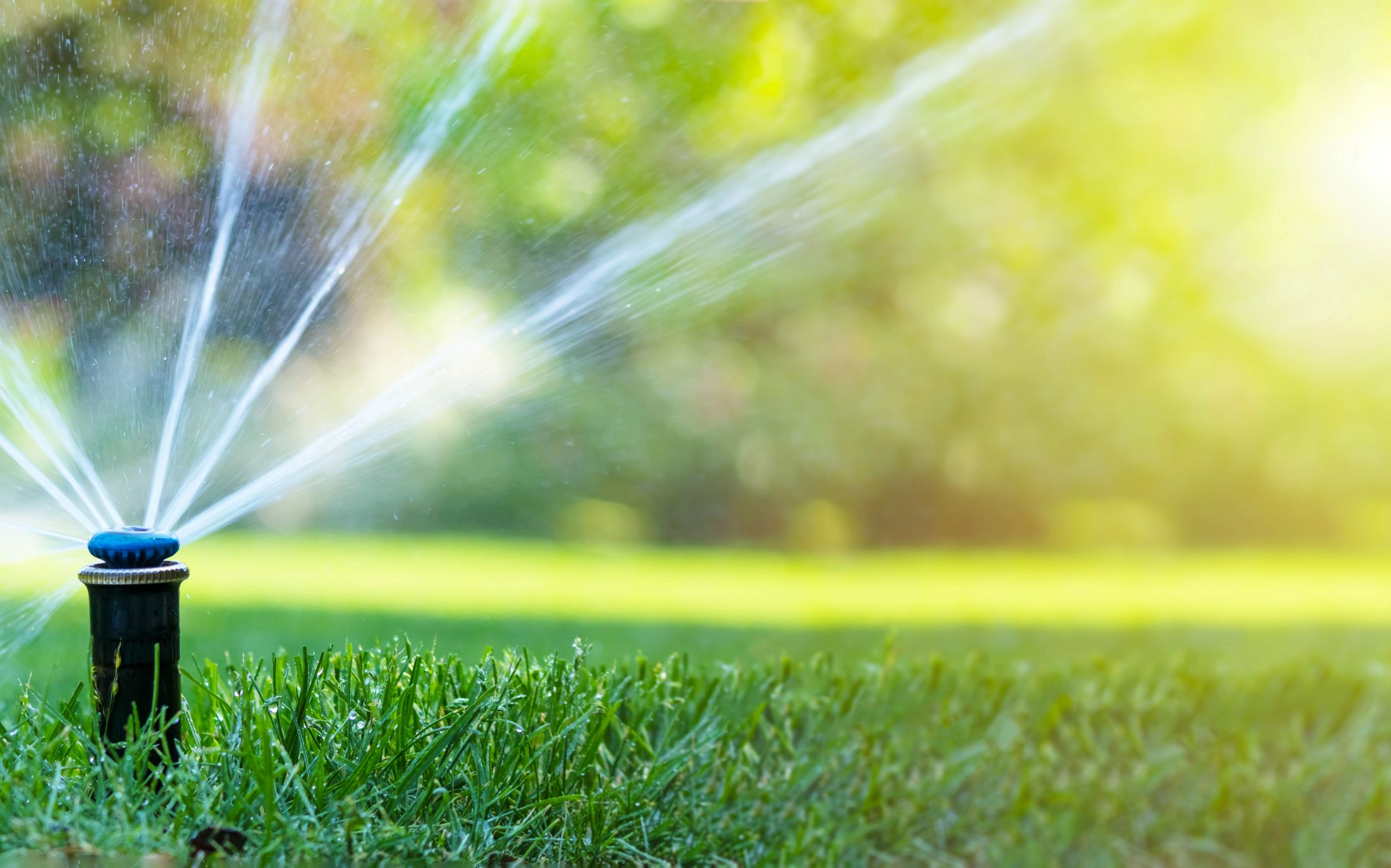
Why a Properly Functioning Irrigation System Matters — Smart Watering for a Healthier New Hampshire Lawn
A reliable irrigation system is one of the best investments you can make for a lawn in New Hampshire’s variable climate. It keeps grass green, cuts down on wasted water, and helps plants build stronger roots. Below we explain practical, smart-watering approaches, the advantages of proper irrigation, and how New Hampshire’s seasons shape your watering needs — so you can have a healthier yard while conserving resources.
Smart Watering Tips for Optimal Lawn Care:
Smart watering means giving your lawn what it needs, when it needs it. Use these straightforward strategies to improve your watering routine:
- Customize Your Watering Schedule: Match how often you water to your grass type and the current weather. Hot, dry stretches need more frequent watering; cooler, rainy periods need less.
- Use Soil Moisture Sensors: Sensors tell you when the ground is dry enough to water, so you avoid unnecessary runs and save on your water bill.
- Change Frequency with the Seasons: Evaporation and soil moisture shift throughout the year — update your schedule as spring, summer, fall, and winter arrive.
Follow these tips and you’ll notice a healthier, more resilient lawn that uses water more efficiently.
Why Irrigation Matters for a Healthy New Hampshire Lawn
An efficient system delivers the right amount of water straight to the root zone, helping turf grow evenly and resist stress from dry spells. Key benefits include:
- Even, Targeted Watering for Strong Growth: Consistent, accurate watering encourages thicker turf and helps prevent bare or patchy areas.
- Less Drought Stress: Proper irrigation keeps grass hydrated during dry stretches so it doesn’t wilt or brown.
- Saves Time Compared to Manual Watering: Automated systems free up time so you can focus on other lawn care tasks.
For tailored irrigation solutions, Groundhog Landscaping Inc. offers designs and installations made for New Hampshire lawns.
What Are the Key Benefits of Proper Watering for Lawn Growth?
Watering the right way supports healthier turf in several important ways. The main benefits are:
- Consistency and Precision: Automated systems deliver uniform coverage and reduce dry spots across the yard.
- Seasonal Customization: Adjusting irrigation with the seasons gives your lawn the right moisture at the right time.
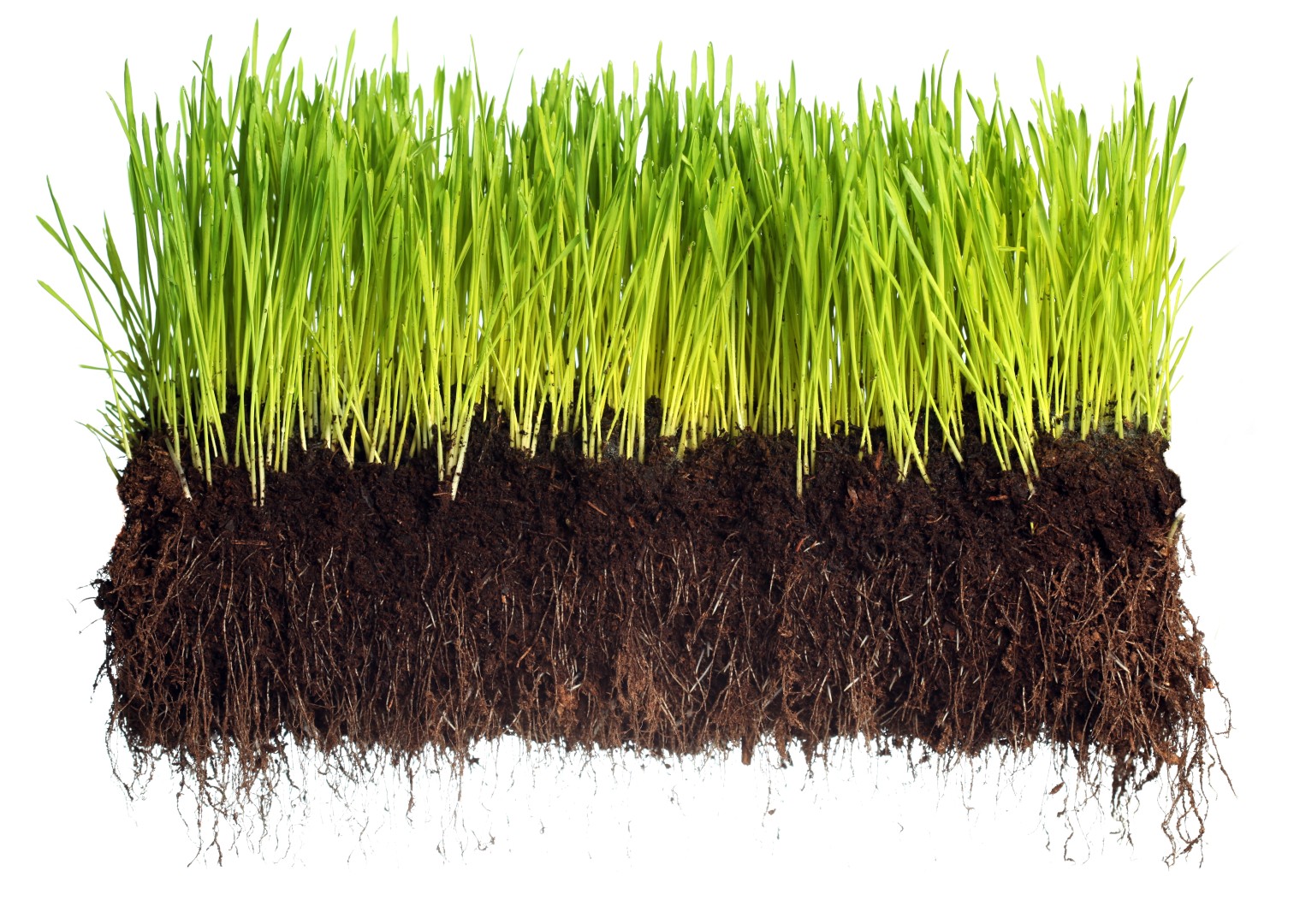
- Stronger Roots and Drought Resistance: Deep, infrequent watering promotes deeper root growth, improving long-term resilience.
Proper watering practices lead to a fuller, greener lawn that’s better able to withstand pests and weather swings.
How Do New Hampshire’s Climate and Seasons Affect Irrigation Needs?
New Hampshire’s changing weather directly affects how and when you should water. Important factors include:
- Variable Summer Rainfall: Summer storms can be unpredictable, so a reliable system helps fill gaps when rain is sparse.
- Need for Dependable Systems: With erratic precipitation, dependable irrigation ensures consistent moisture for your turf.
- Season-Specific Requirements: Evaporation and soil moisture vary by season, so your schedule should, too.
- Winterization: All water must be blown out of New Hampshire irrigation systems before freezing temperatures set in
Knowing these patterns helps you set up and maintain a system that performs year-round.
What Are the Best Smart Lawn Watering Techniques to Save Water and Boost Growth?
Combining the right techniques can reduce waste and improve turf health. Effective options include:
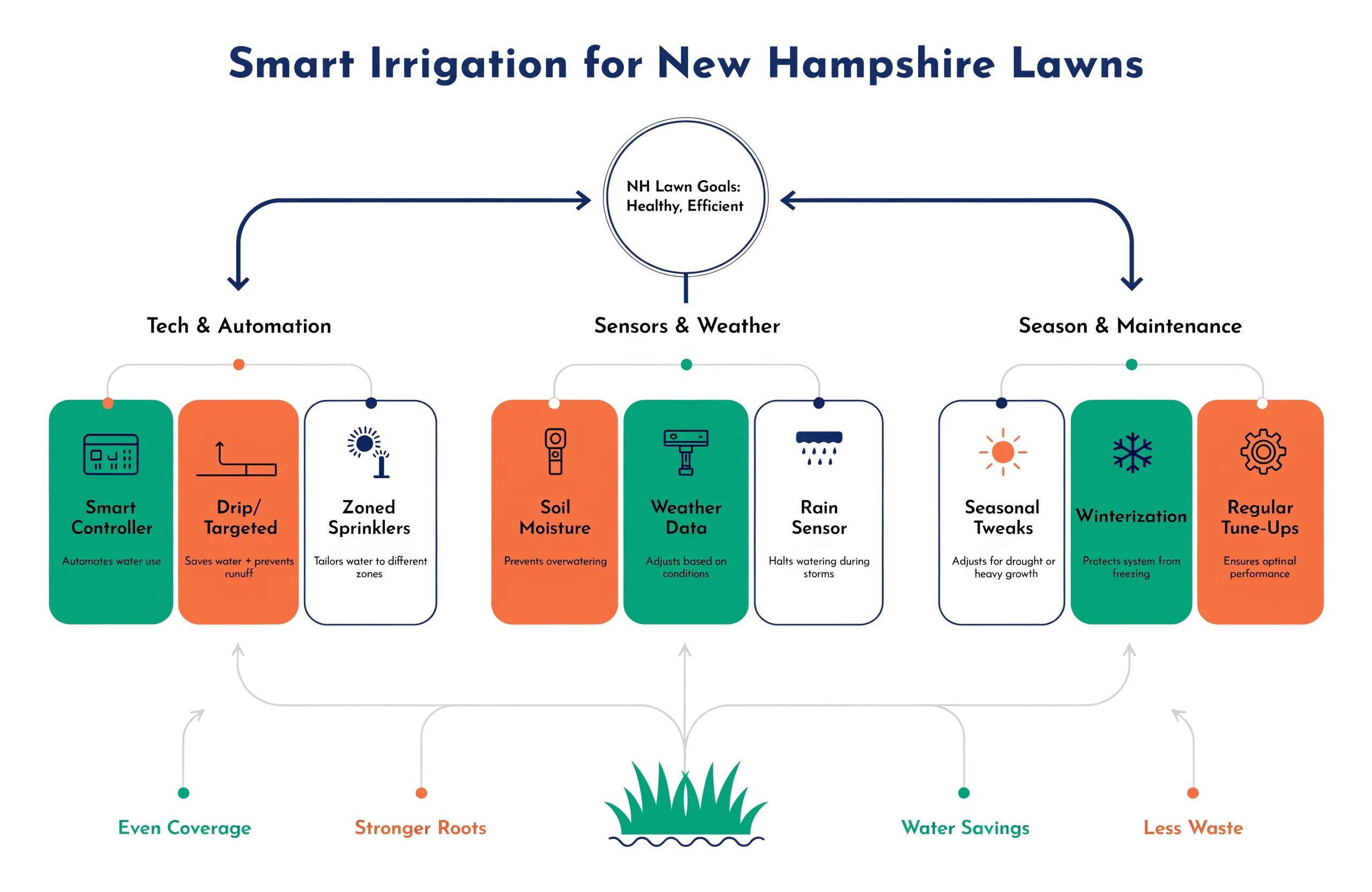
- Drip Irrigation: Delivers water directly to plant roots, cutting evaporation and runoff.
- Modern Sprinkler Systems: Adjustable systems can be zoned and calibrated for better coverage and less waste.
- Weather-Based Scheduling: Use forecasts to avoid watering before or after rain events.
Using these methods together helps you make the most of every gallon while supporting lawn growth.
How Can Smart Controllers and Sensors Reduce Water Waste?
Smart irrigation tech brings precision and convenience to watering. These systems help by:
- Using Weather Data for Smarter Watering: Controllers adjust schedules based on real-time conditions, so you don’t water unnecessarily.
- Making Seasonal Adjustments Automatically: Systems can ramp up or cut back water based on seasonal needs without manual changes.
- Offering Remote Control: Manage zones and schedules from your phone for quick tweaks when conditions change.
Smart controllers and sensors add up to real water savings and healthier lawns.
When and How Often Should You Water Your New Hampshire Lawn?
Timing and frequency matter. Follow these guidelines:
- Water Early or Late: Run irrigation in the early morning or late evening to reduce evaporation.
- Deep, Infrequent Watering: Water deeply once or twice a week rather than frequent shallow sprays to encourage deep roots.
- Prepare for Dormancy: As winter approaches, cut back watering to help the lawn transition into dormancy.
These practices help your lawn use water efficiently and stay healthy through the seasons.
Why Is Regular Irrigation System Maintenance Crucial for New Hampshire Lawns?
Routine maintenance keeps your system efficient and prevents problems that harm your lawn. Important reasons to stay on top of upkeep include:
- Preventing Water Waste: Regular inspections catch leaks and misaligned heads before they use unnecessary water.
- Consistent Lawn Health: A well-maintained system delivers reliable coverage for even growth.
- Extending System Life: Simple repairs and seasonal tune-ups protect your investment and avoid costly replacements.
Groundhog Landscaping Inc. provides dependable maintenance to keep systems running at peak performance.
What Common Irrigation Mistakes Should You Avoid?
Certain mistakes can damage turf or waste water. Watch for these pitfalls:
- Overwatering or Underwatering: Both can stress grass — aim for the balance of deep, measured watering.
- Skipping Seasonal Adjustments: Don’t leave summer settings on during cool or wet periods.
- Skipping Regular Inspections: Small issues can become big problems if left unchecked.
Avoiding these errors makes a big difference in lawn health and water use.
How Does Timely Repair Impact Lawn Health and Water Efficiency?
Fixing issues quickly keeps water where it belongs — in the soil — and helps turf thrive. Key impacts include:
- Stops Water Waste: Repairing leaks and clogs prevents needless runoff and soggy spots.
- Promotes Stronger Turf: Reliable irrigation supports steady growth and resilience.
- Improves Overall Landscape Health: Healthy irrigation benefits grass, garden beds, and nearby plantings.
Regular inspections and prompt repairs improve efficiency and long-term lawn health.
Which Water-Efficient Irrigation Technologies Work Best for New Hampshire Lawns?
Several technologies are particularly useful for efficient watering here:
- Drip Systems: Great for beds and targeted zones, minimizing waste.
- Smart Sprinklers: Programmed to respond to weather and soil conditions for better efficiency.
- Rain Sensors: Prevent irrigation from running during or after rainfall.
Choosing the right mix of technologies can significantly cut water use while keeping your lawn healthy.
What Features Should You Look for in Smart Irrigation Systems?
When shopping for a smart system, favor features that enhance efficiency and ease of use:
- Water-Efficient Design: Systems that reduce overspray and runoff save water and money.
- Easy Controls and Integration: User-friendly apps and smart-home compatibility make management simple.
- Soil and Weather Sensors: These sensors improve timing and volume of watering for better results.
Choosing systems with these features helps you get the most out of your investment.
How Do Weather Sensors and Automated Timers Optimize Water Use?
Weather sensors and timers take the guesswork out of irrigation. They help by:
- Tracking Local Conditions: Sensors monitor rainfall and temperature so your system waters only when needed.
- Scheduling at Optimal Times: Timers run watering during low-evaporation windows to get more water into the root zone.
- Supporting Conservation Goals: Using these tools reduces waste and supports community water-efficiency efforts.
These technologies play a big role in sustainable, effective lawn care.
How Can You Create a Watering Schedule That Matches New Hampshire’s Lawn Needs?
Build a schedule around your lawn’s needs and local weather. Start with these steps:
- Adjust for the Seasons: Update run times and frequency as temperatures and rainfall change.
- Monitor Soil Moisture: Check moisture levels to know when the lawn actually needs water.
- Keep a Simple Plan: A clear chart showing when and how long to water each season makes maintenance easier.
A tailored schedule saves water and supports healthier turf year-round.
What Seasonal Adjustments Ensure Efficient Irrigation Year-Round?
Changing settings with the seasons keeps irrigation efficient. Useful adjustments include:
- Update Schedules as Seasons Change: Scale back in fall and ramp up in spring and summer as growth increases.
- Fall and Winter Recommendations: Reduce watering in autumn to prepare for dormancy; winter usually needs little to no irrigation.
- Peak Season Efficiency: During active growth, increase watering as needed but keep sessions deep to build roots.
Seasonal tuning helps your system deliver the right amount of water at the right time.
How Do Soil Moisture Levels Influence Your Watering Plan?
Soil moisture is the best indicator of when to water. Keep these points in mind:
- Use Moisture Meters: Measure soil moisture to avoid guessing — it helps you water more accurately.
- Create Custom Schedules: Base watering on measured moisture levels rather than fixed routines.
- Delay Watering if Moisture Is Sufficient: If the soil is still moist, hold off and save water.
Good moisture monitoring leads to smarter watering and a healthier lawn.
What Are Simple Water Conservation Tips Every New Hampshire Homeowner Can Use?

Small changes add up. Try these easy conservation tips:
- Use Water-Smart Practices: Mulch beds and use soaker hoses to reduce evaporation and runoff.
- Keep Systems Maintained: Regular checks prevent leaks and inefficient watering.
- Adapt with the Seasons: Change settings as the weather shifts to match real needs.
These practical steps help you conserve water without sacrificing lawn quality.
How Does Efficient Irrigation Support Local Water Conservation Efforts?
Smart irrigation helps more than just your yard — it supports the wider community and environment:
- Helps Local Ecosystems: Responsible watering protects streams, wetlands, and wildlife by reducing excess runoff.
- Backs Community Initiatives: Efficient systems align with local water-saving programs and policies.
- Promotes Long-Term Sustainability: Conserving water now keeps resources healthy for future seasons.
Adopting efficient irrigation practices is a simple way homeowners can contribute to bigger conservation goals.
What Small Changes Make a Big Difference in Lawn Water Use?
Minor updates can yield noticeable water savings. Consider these changes:
- Targeted Watering Tools: Soaker hoses and drip lines focus water where it’s needed most.
- Upgrade to Smart Technology: Smart controllers and sensors reduce waste and improve results.
- Set Realistic Goals: Start with small, measurable water-saving targets and build from there.
These small shifts can transform how your lawn uses water and make sustainable care easier to maintain.