Best Practices for Irrigation System Maintenance
Maintaining your irrigation system is crucial for ensuring its efficiency and longevity. Regular checks for leaks, clogs, and proper alignment can prevent water waste and ensure that your plants receive the right amount of moisture.
For instance, scheduling annual inspections and seasonal adjustments can help identify issues early. Additionally, cleaning filters and nozzles regularly will enhance the performance of your system, ultimately saving you money on water bills and promoting healthier landscapes.
Choosing the Right Irrigation System for Your Landscape
Selecting the appropriate irrigation system depends on various factors, including the type of plants, soil conditions, and landscape layout. Drip irrigation, for example, is ideal for gardens with delicate plants, while sprinkler systems are better suited for larger lawns.
Consider your landscape's unique needs and consult with professionals to determine the most effective irrigation solution. Tailoring your system to your specific environment can lead to better water management and healthier plant growth.
Common Irrigation Mistakes to Avoid
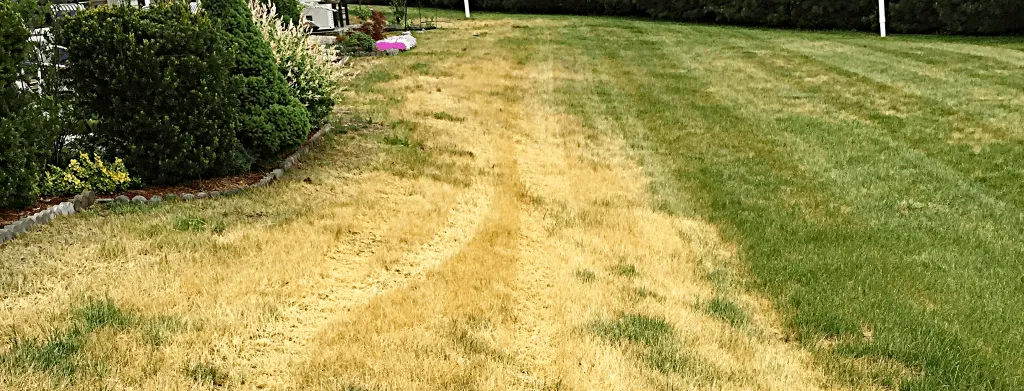
Many homeowners make common mistakes when it comes to irrigation, such as overwatering or underwatering their plants. These errors can lead to plant stress, disease, and even death, impacting the overall health of your landscape.
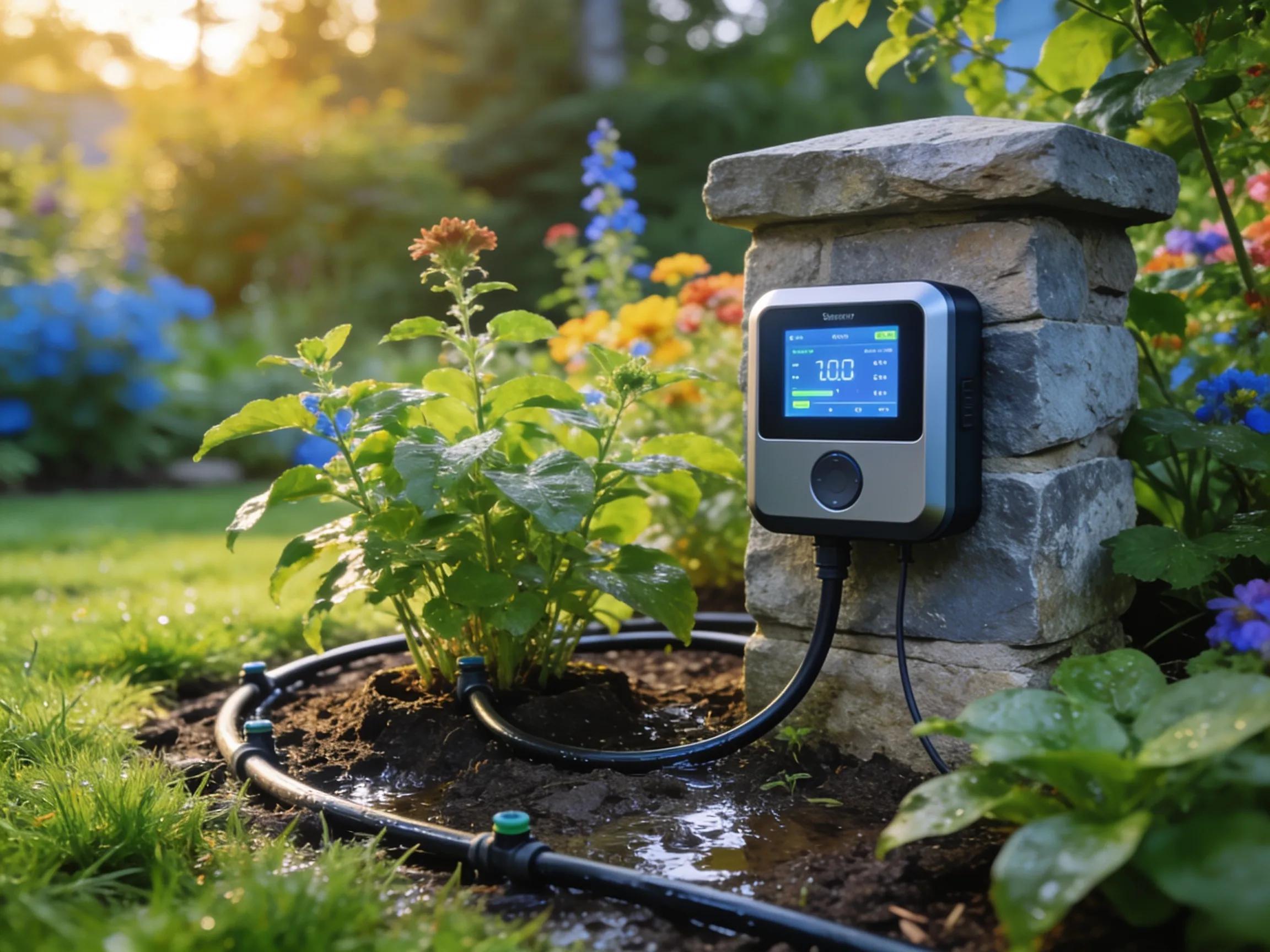
To avoid these pitfalls, familiarize yourself with the watering needs of your plants and adjust your irrigation schedule accordingly. Utilizing smart irrigation controllers can also help automate and optimize your watering practices, reducing the likelihood of human error.
The Environmental Impact of Efficient Irrigation
Efficient irrigation practices not only benefit your landscape but also contribute positively to the environment. By reducing water waste, you help conserve this vital resource and lower your carbon footprint.
Implementing sustainable irrigation methods, such as rainwater harvesting and using drought-resistant plants, can significantly enhance your landscape's resilience. These practices not only save water but also promote biodiversity and support local ecosystems.