
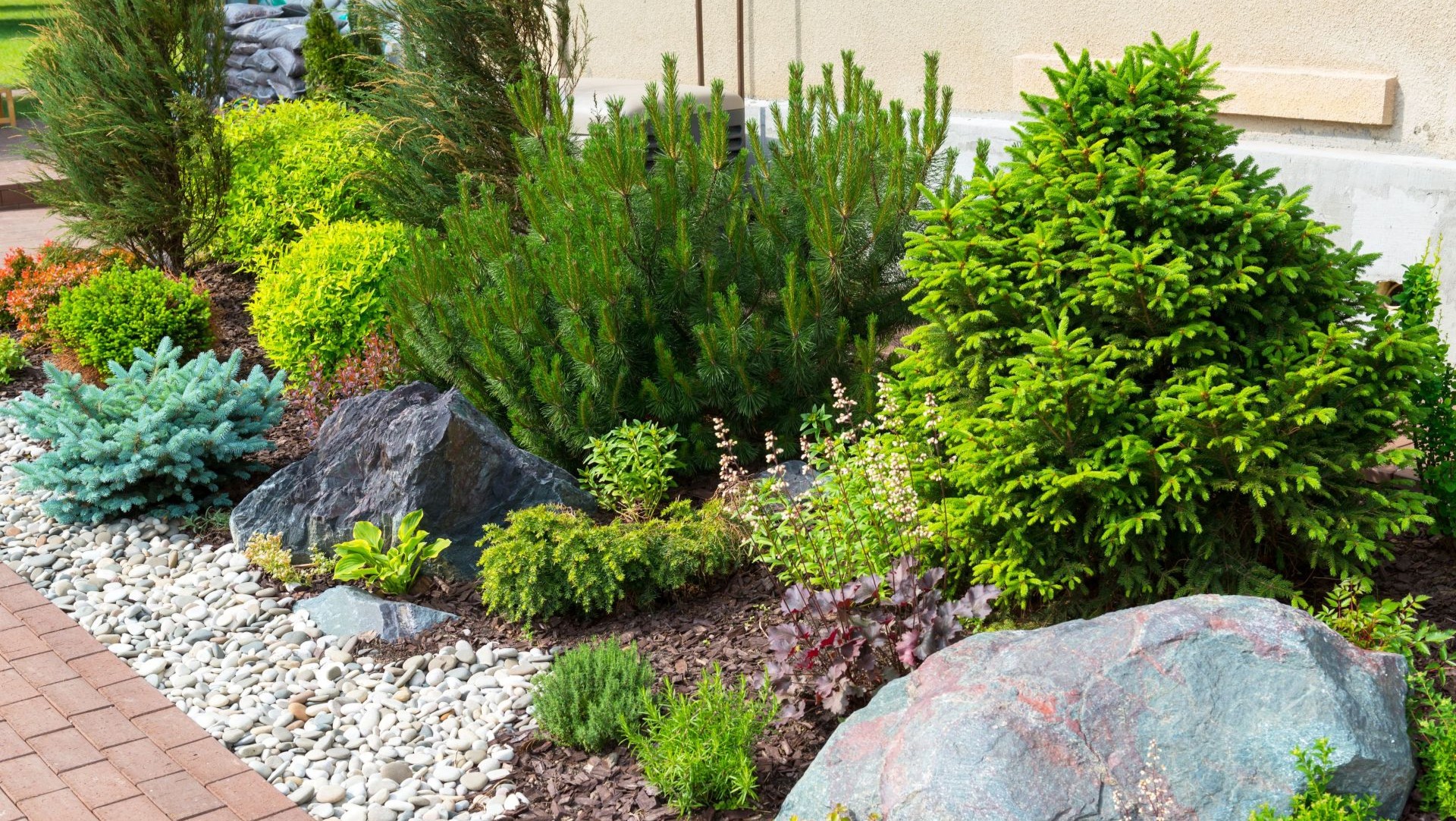
Why the First Year Is Critical
When you add new trees, shrubs, or perennials to your property, you’re making an investment that should last decades. But the first season is the make-or-break period. During this time, roots are shallow and fragile. Without a deep, consistent supply of water, new plants can wither, struggle to establish, or die back before they ever get settled.
The Best Watering Methods
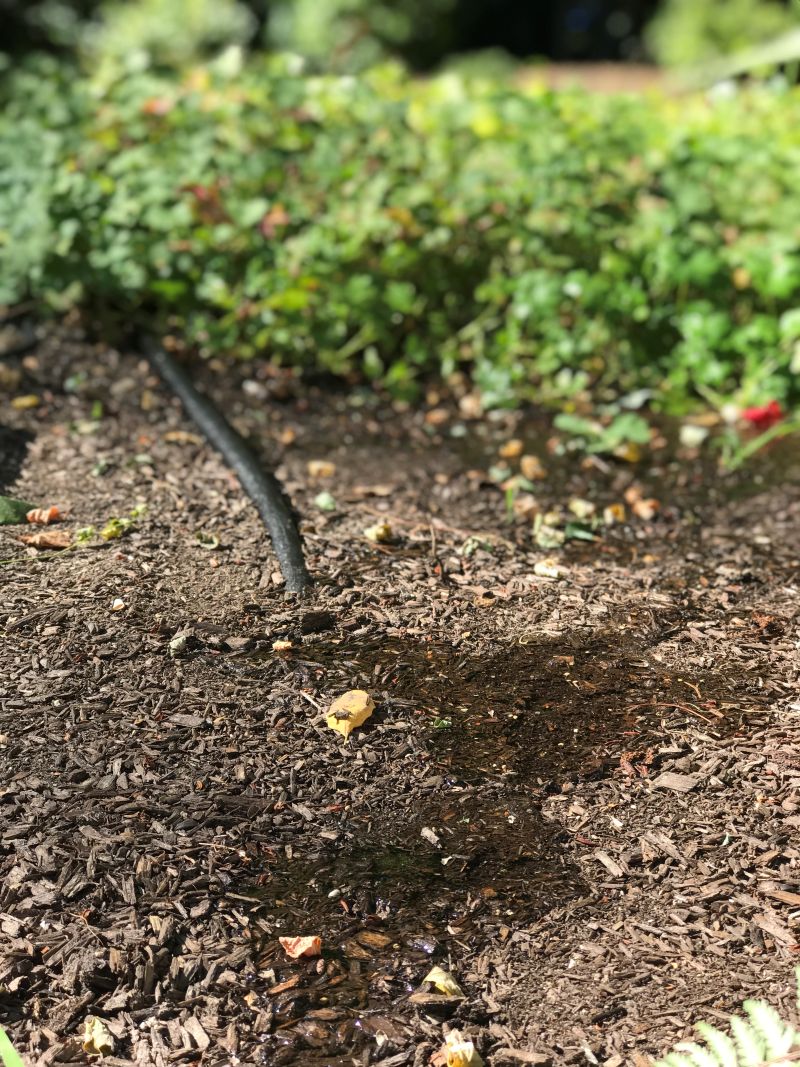
Drip Irrigation
The most reliable method is drip irrigation. Slow, steady watering directly at the roots keeps soil moist without runoff or waste. If you already have an irrigation system, adding a drip zone to planting beds ensures every plant receives the correct amount of water.
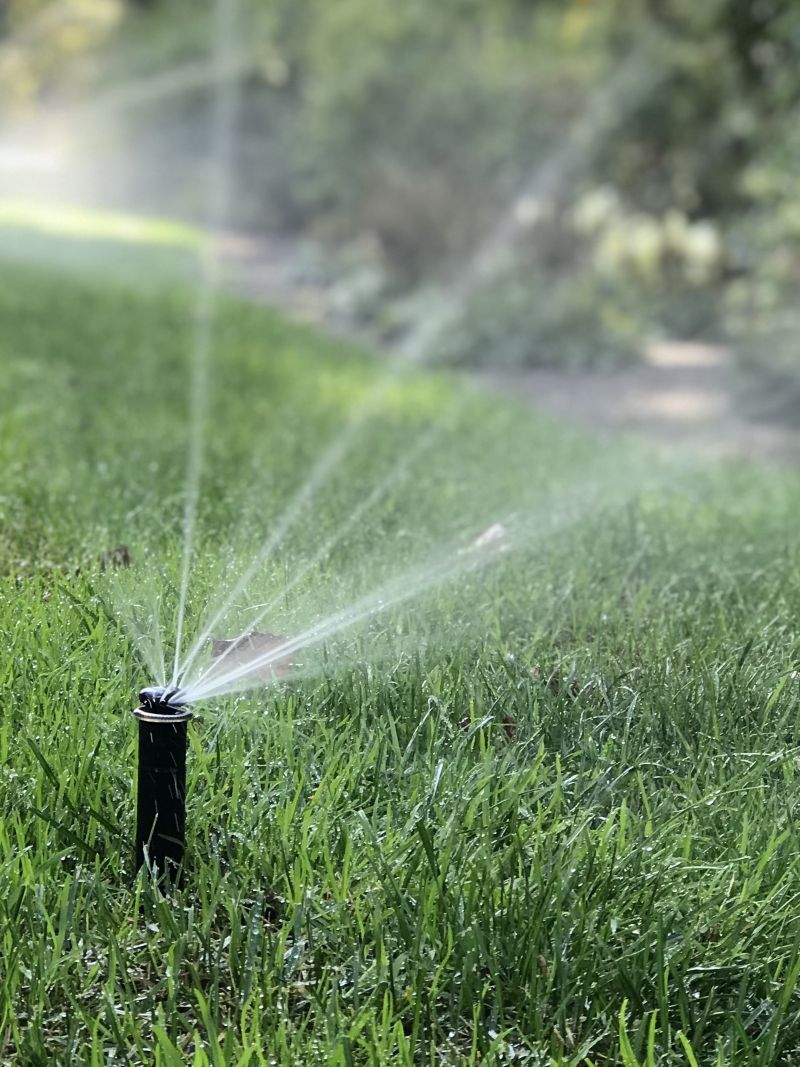
Spray Heads
If you have an automated irrigation system, the next best approach to drip irrigation is to add a designated zone of spray heads in your planting beds. Sprays release a dense quantity of water quickly, drenching the mulch layer. Spray zones can be programmed to run for several times a day and less days per week, which is better than irrigation geared towards lawn watering.
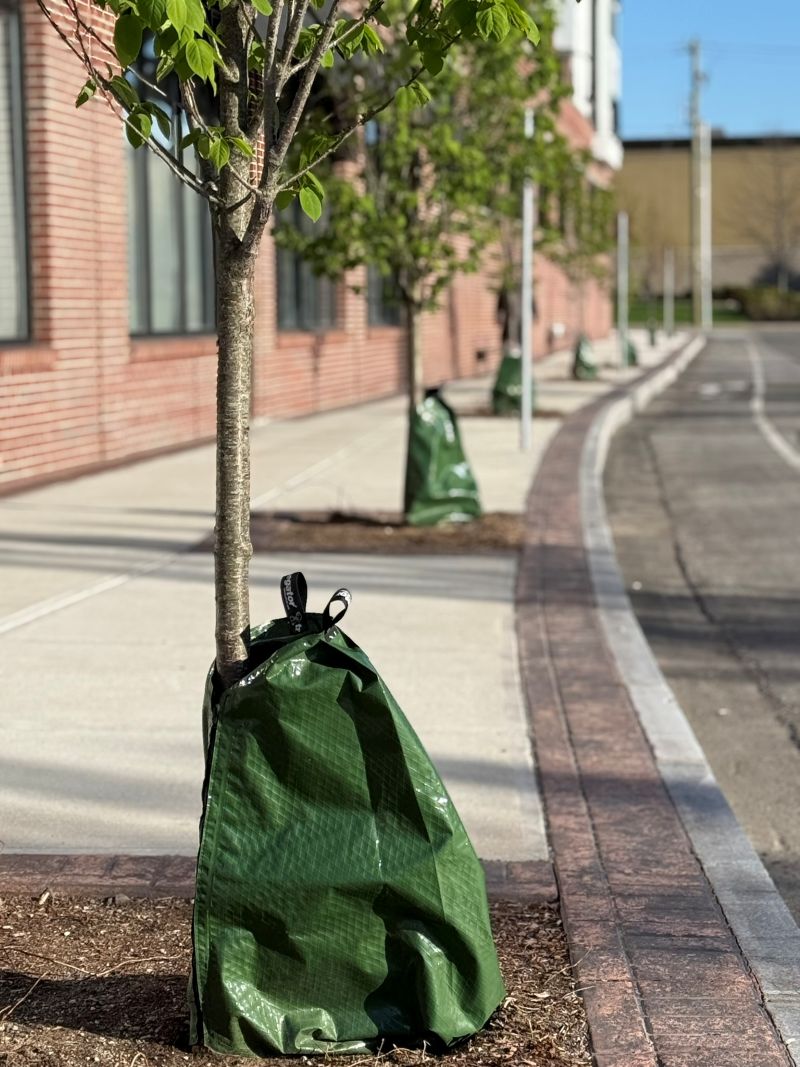
Watering Bags for Trees
For young trees that are far from irrigation zones, watering bags are invaluable. Holding 15 gallons or more, these bags release moisture gradually over several days, giving roots the chance to absorb water deeply.
Supporting Root Development
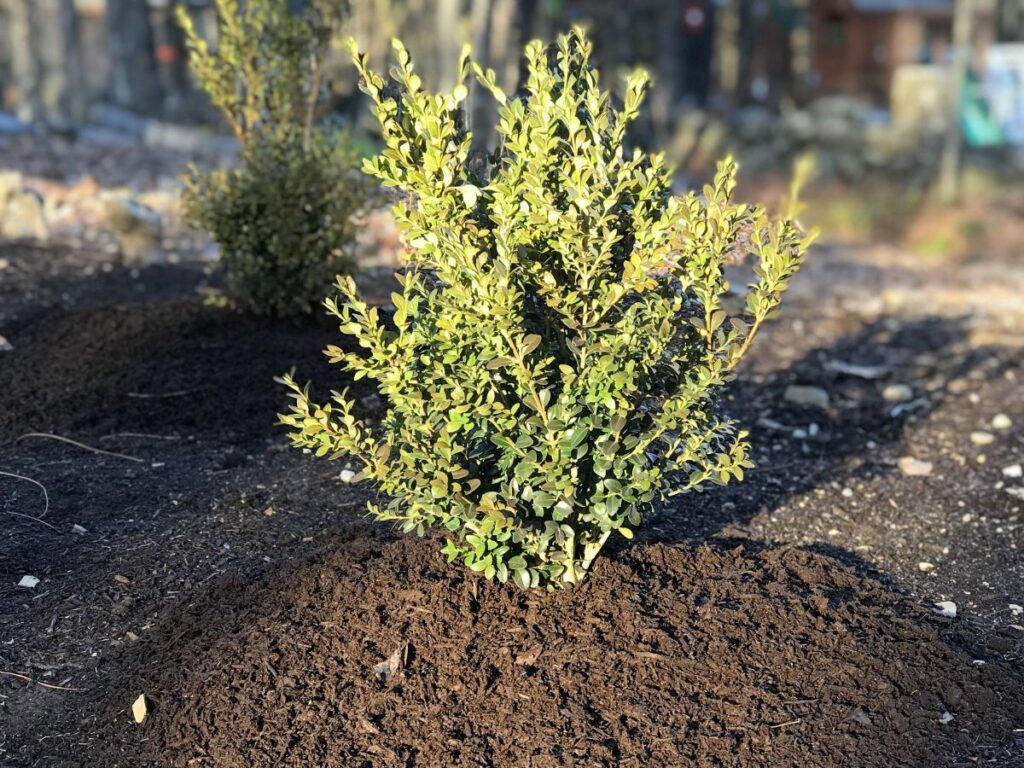
In addition to water, mulch is essential. A 2–3 inch layer around the root zone reduces evaporation and regulates soil temperature. Just remember to keep mulch a few inches away from trunks or stems to prevent rot. Fertilizer should be avoided during the first year. Pushing top growth before roots establish leads to weak, stressed plants. Wait until the following season before feeding.
Give Your Plants the Best Start!

With the right approach, your new plantings will thrive through summer heat and into winter. Call Groundhog Landscaping today to design a watering plan for your property and protect your investment from day one.