
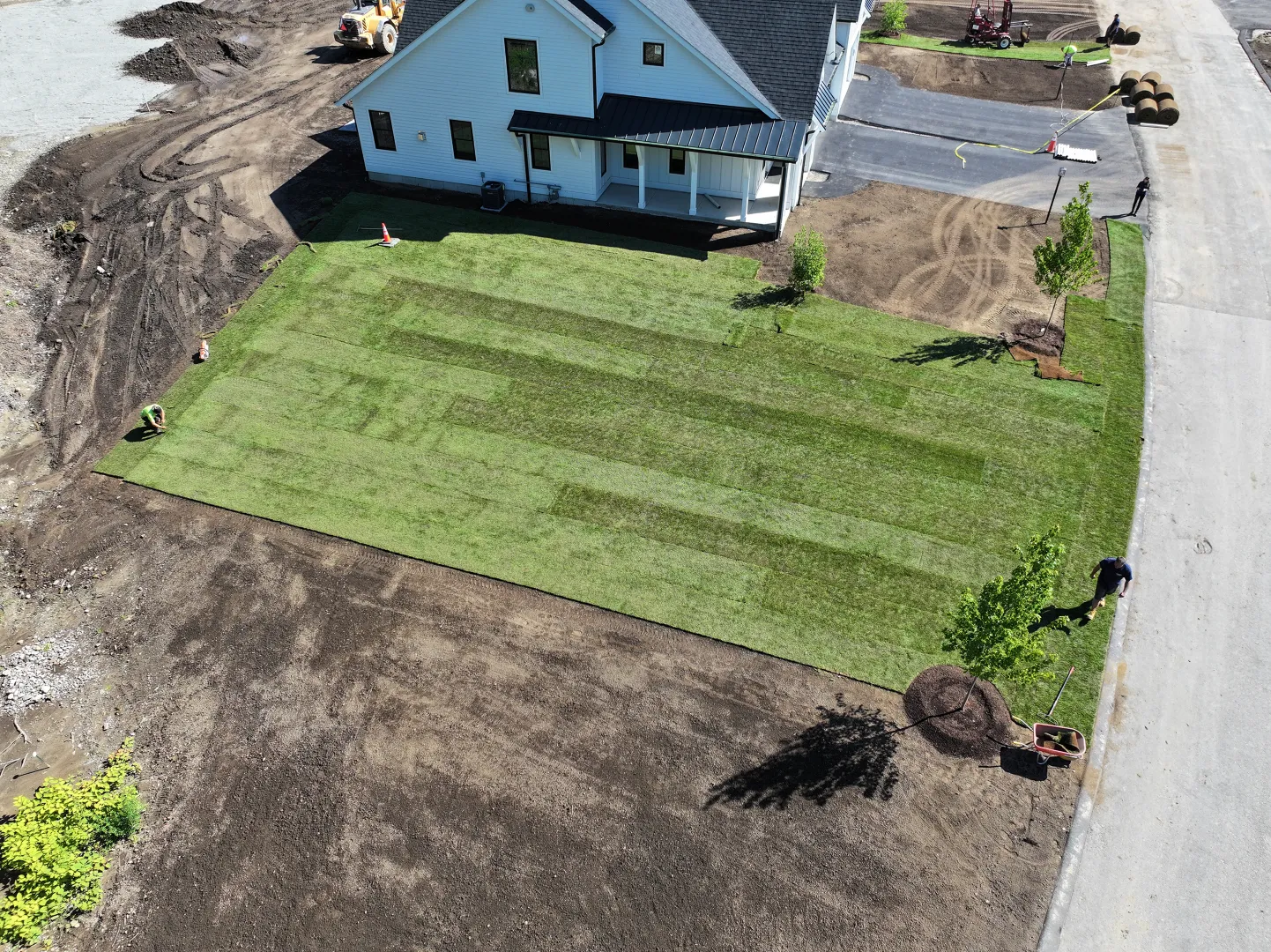
What is the Best Lawn Installation Method for NH Homes?
Choosing the right method to establish a lush, green lawn is a significant decision for homeowners in New Hampshire. The two primary methods, sod and seed, each offer unique advantages and challenges that can impact the health and aesthetics of your lawn. Understanding the characteristics of sod and seed can help homeowners make informed choices based on their specific needs, budget, and the local climate. This article will explore the distinctions between sod and seed lawn installations, including their benefits, drawbacks, costs, and maintenance requirements. Additionally, we will examine which method best suits the variable New Hampshire climate, ensuring you choose the optimal solution for your lawn.
Comparison of Sod and Seed for Lawn Installation in New Hampshire
When it comes to lawn installation, sod and seed are the two primary options available to homeowners. Each method offers specific benefits and drawbacks that can influence individual preferences and choices. Sod installation involves laying down pre-grown grass rolls, providing an instant lawn, while seed installation entails sowing grass seeds that require time to germinate and grow. Factors to consider in this comparison include the initial cost, the time required for establishment, and the level of maintenance necessary for each option.
Sod vs. Seed: Finding the Right Lawn Method for Your NH Home
Sod installation is the process of laying sections of cultivated grass across prepared soil, creating an instant lawn. This method offers numerous advantages but also presents some challenges.
Advantages:
Instant Results: One of the most appealing aspects of sod installation is the immediate visual impact. Once laid, homeowners can enjoy a green lawn within hours.
Erosion Control: Sod helps prevent soil erosion, making it a suitable option for sloped or uneven areas.
Less Initial Maintenance: Compared to seed, newly laid sod generally requires less initial maintenance and watering, making it easier for new homeowners.
Instant Results: One of the most appealing aspects of sod installation is the immediate visual impact. Once laid, homeowners can enjoy a green lawn within hours.
Erosion Control: Sod helps prevent soil erosion, making it a suitable option for sloped or uneven areas.
Less Initial Maintenance: Compared to seed, newly laid sod generally requires less initial maintenance and watering, making it easier for new homeowners.
Disadvantages:
Higher Cost: Sod typically comes at a higher upfront purchase price compared to grass seeds, which can be a significant consideration for budget-conscious homeowners.
Limited Variety: Sod options tend to be limited to a select number of grass types, which may not offer the same diversity you could achieve with seeding.
Installation Challenges: Laying sod requires proper technique and care to avoid issues like uneven growth and disease.
Higher Cost: Sod typically comes at a higher upfront purchase price compared to grass seeds, which can be a significant consideration for budget-conscious homeowners.
Limited Variety: Sod options tend to be limited to a select number of grass types, which may not offer the same diversity you could achieve with seeding.
Installation Challenges: Laying sod requires proper technique and care to avoid issues like uneven growth and disease.
Cost Considerations:
The costs associated with sod installation can vary based on several factors, including the type of grass selected, the size of the area, and labor expenses. Generally, homeowners can expect to pay between $0.80 and $1.50 per square foot for sod, excluding preparation and installation costs. Additionally, labor costs should be factored into the total projection, leading to potential total investments between $1,500 to $6,000 for larger lawns.
To further understand the financial implications, it’s helpful to review detailed comparisons of various lawn establishment methods.
Maintenance Requirements:
Maintaining sod requires consistent watering, typically every two to three days initially to encourage rooting. Proper fertilization practices are also essential to ensure the health of the grass. Regular mowing will keep the lawn lush and visually appealing, while periodic aeration may be necessary to maintain optimal soil health.
Seed Installation (Hydroseeding):
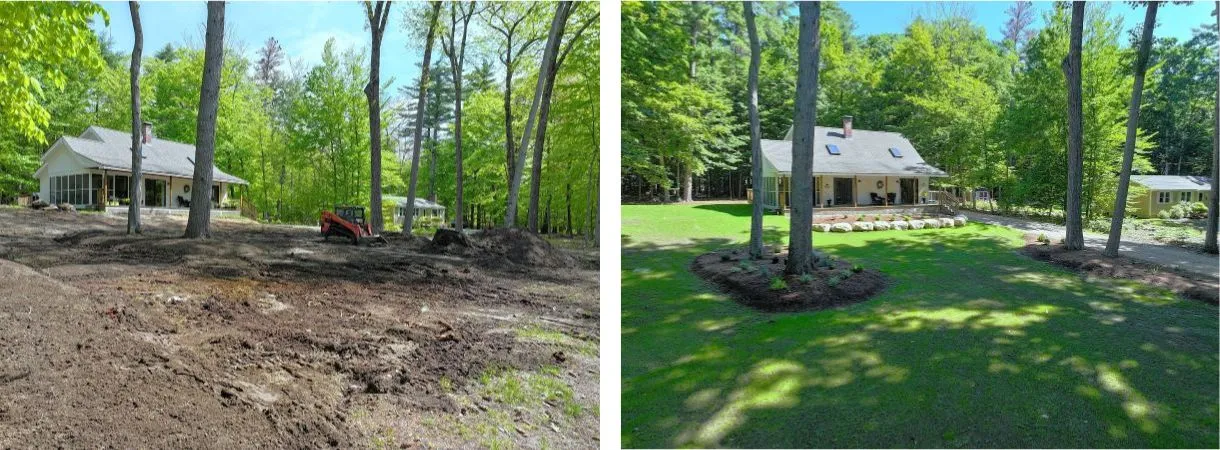
Hydroseeding is a modern technique that involves blending grass seed, water, and mulch in a slurry, which is then sprayed onto prepared soil. This installation method provides an alternative to traditional seeding.
Advantages:
Cost-Effective: Generally, seeding is a more budget-friendly option. Grass seeds are inexpensive when compared to sod.
More Grass Type Variety: Homeowners can choose from a broader variety of grass types tailored to specific environmental conditions and preferences.
Erosion Control: Like sod, hydroseeding can effectively prevent erosion, particularly on slopes.
Cost-Effective: Generally, seeding is a more budget-friendly option. Grass seeds are inexpensive when compared to sod.
More Grass Type Variety: Homeowners can choose from a broader variety of grass types tailored to specific environmental conditions and preferences.
Erosion Control: Like sod, hydroseeding can effectively prevent erosion, particularly on slopes.
Disadvantages:
Longer Establishment Time: Unlike sod, which offers immediate results, seeds typically require two to three weeks to germinate, and several weeks for the lawn to reach a usable state.
Initial Weed Competition: Newly seeded lawns may face competition from weeds, requiring homeowners to remain proactive in maintenance during the establishment period.
Longer Establishment Time: Unlike sod, which offers immediate results, seeds typically require two to three weeks to germinate, and several weeks for the lawn to reach a usable state.
Initial Weed Competition: Newly seeded lawns may face competition from weeds, requiring homeowners to remain proactive in maintenance during the establishment period.
Cost Considerations:
The costs of seed installation can significantly vary, generally ranging between $0.10 to $0.30 per square foot for seed alone. When factoring in labor and soil preparation expenses, the total cost can range from $500 to $2,500 for adequate coverage of a standard lawn area.
Maintenance Requirements:
Seeded lawns require diligent maintenance, including consistent watering to support grass seed germination. Regular mowing, fertilization, and weed management become crucial in establishing a healthy lawn.
What Are the Key Differences Between Sod and Seed Lawn Installations?
Understanding the core differences between sod and seed installations can help homeowners navigate their choices effectively.
Cost: Sod tends to be more expensive due to the labor and materials involved in harvesting and transporting pre-grown grass.
Time to Establish: Sod provides an instant lawn, while seed requires patience as germination takes longer.
Maintenance Needs: Sod usually requires less initial maintenance than seeds, which need continuous care during their establishment phase.
Cost: Sod tends to be more expensive due to the labor and materials involved in harvesting and transporting pre-grown grass.
Time to Establish: Sod provides an instant lawn, while seed requires patience as germination takes longer.
Maintenance Needs: Sod usually requires less initial maintenance than seeds, which need continuous care during their establishment phase.
How Does Sod Installation Work and What Are Its Benefits?
Sod installation involves several key steps: preparing the soil by tilling and leveling, laying the sod pieces in staggered rows, and ensuring proper watering post-installation. Homeowners benefit from the immediate aesthetic enhancement and erosion control from sod, making it a favorable choice in various installations.
For more detailed guidance on effective lawn installation and maintenance, consider consulting comprehensive resources.
Effective Lawn Installation, Planting, and Maintenance Methods
Discusses effective methods for performing lawn installations, landscape planting and maintenance. Step-by-step accounting calculations are explained in simple terms. ARE YOU A NATURAL?
Effective Lawn Installation, Planting, and Maintenance Methods
Discusses effective methods for performing lawn installations, landscape planting and maintenance. Step-by-step accounting calculations are explained in simple terms. ARE YOU A NATURAL?
For tailored assistance in sod installation, Groundhog Landscaping Inc can provide expert guidance tailored to the New Hampshire climate, maximizing your lawn’s health and sustainability.
What Should You Know About Lawn Seeding and Its Advantages?
Lawn seeding requires preparing the soil, applying a quality seed mix, and ensuring adequate moisture for germination. Over time, a seeded lawn can thrive and adapt through diverse grass types, improving long-term resilience and compatibility with the local environment.
Which Lawn Installation Method Suits the New Hampshire Climate Best?
In New Hampshire, both sod and seed can perform well. However, sod is optimal for immediate results, especially in regions that may see severe weather changes. Conversely, seeding offers long-term adaptability to local conditions, proving advantageous for homeowners willing to invest time in establishment and maintenance.
How Do Seasonal Changes in New Hampshire Affect Sod and Seed Success?
New Hampshire’s climate, characterized by cold winters and warm summers, impacts both sod and seed installations. Optimal installation times are during late spring to early summer, avoiding extremes of temperature. Seasonal rainfall patterns can also facilitate better grass establishment for seeded lawns.
What Are the Best Grass Types for New Hampshire Lawns?
Homeowners should consider the following grass types for their New Hampshire lawns:
Kentucky Bluegrass: Thrives in cooler climates, establishing a lush green lawn.
Perennial Ryegrass: Fast germination makes it ideal for quick patches and overseeding.
Tall Fescue: Offers drought tolerance, making it suitable for varying soil types.
Kentucky Bluegrass: Thrives in cooler climates, establishing a lush green lawn.
Perennial Ryegrass: Fast germination makes it ideal for quick patches and overseeding.
Tall Fescue: Offers drought tolerance, making it suitable for varying soil types.
How Much Does Sod Installation Cost in New Hampshire Compared to Seeding?
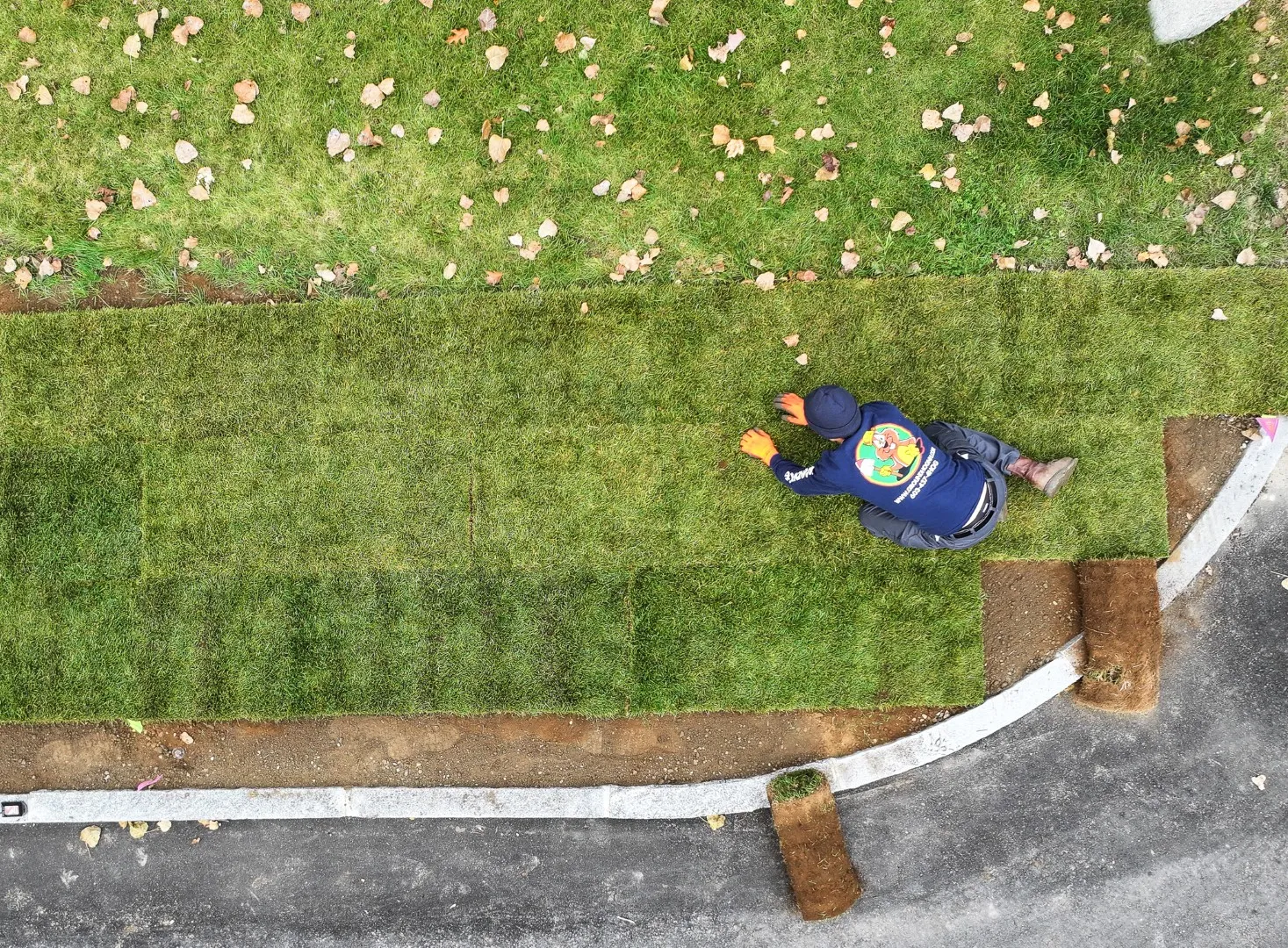
As discussed, the cost of sod installation in New Hampshire typically ranges from $0.80 to $1.50 per square foot, while seeding generally costs between $0.10 and $0.30 per square foot. The investment each method requires may affect financial decision-making, but long-term lawn health and maintenance should also be considered.
What Factors Influence Sod Installation Cost in NH?
Key factors influencing sod installation costs include:
Material Costs: Type of grass chosen can significantly affect the price.
Labor Considerations: Professional installation is often recommended for optimal results.
Site Preparation: Well-prepared sites can reduce overall costs.
Material Costs: Type of grass chosen can significantly affect the price.
Labor Considerations: Professional installation is often recommended for optimal results.
Site Preparation: Well-prepared sites can reduce overall costs.
Is Lawn Seeding a More Budget-Friendly Option for NH Homeowners?
For homeowners seeking a budget-friendly method, seeding offers a lower initial investment. However, the cost of maintenance can vary, and long-term considerations should be evaluated to compare against sod’s upfront costs effectively.
What Are the Maintenance Needs After Sod or Seed Installation?
Proper maintenance following lawn installation is crucial for healthy growth.
Watering Frequency: Newly installed lawns require consistent moisture to establish roots.
Mowing and Fertilization: Regular upkeep ensures a vibrant lawn.
Watering Frequency: Newly installed lawns require consistent moisture to establish roots.
Mowing and Fertilization: Regular upkeep ensures a vibrant lawn.
How Do Maintenance Tips Differ for Newly Laid Sod?
After sod installation, diligent watering schedules are critical to promote root establishment. Monitoring grass health also involves checking for signs of disease or pests early on, ensuring sustained lawn life.
How Can Professional Sod Installers in New Hampshire Help Your Lawn Project?
Professional installers like Groundhog Landscaping Inc bring expertise in local conditions, providing significant advantages in establishing a healthy, attractive lawn. Their insights can save time and enhance the quality of the lawn installation process.
What Should You Look for When Hiring Lawn Care Services in Derry NH?
When selecting a lawn care service, consider the following:
Qualifications and Experience: Look for certified professionals with a good track record.
Service Offerings: Ensure they provide comprehensive lawn care solutions tailored to local needs.
Reputation and Reviews: Research previous customer experiences to gauge reliability.
Qualifications and Experience: Look for certified professionals with a good track record.
Service Offerings: Ensure they provide comprehensive lawn care solutions tailored to local needs.
Reputation and Reviews: Research previous customer experiences to gauge reliability.
Why Choose Groundhog Landscaping Inc for Your Sod Installation Needs?
Groundhog Landscaping Inc is dedicated to providing high-quality sod installation services tailored to New Hampshire’s unique climate conditions. Our commitment to excellence ensures that your lawn thrives, adding beauty and value to your property. Leveraging local expertise, they can help select the best methods for long-term success.