
Custom Paver Patios & Walkways in New Hampshire: Your Guide to Beautiful, Durable Outdoor Spaces
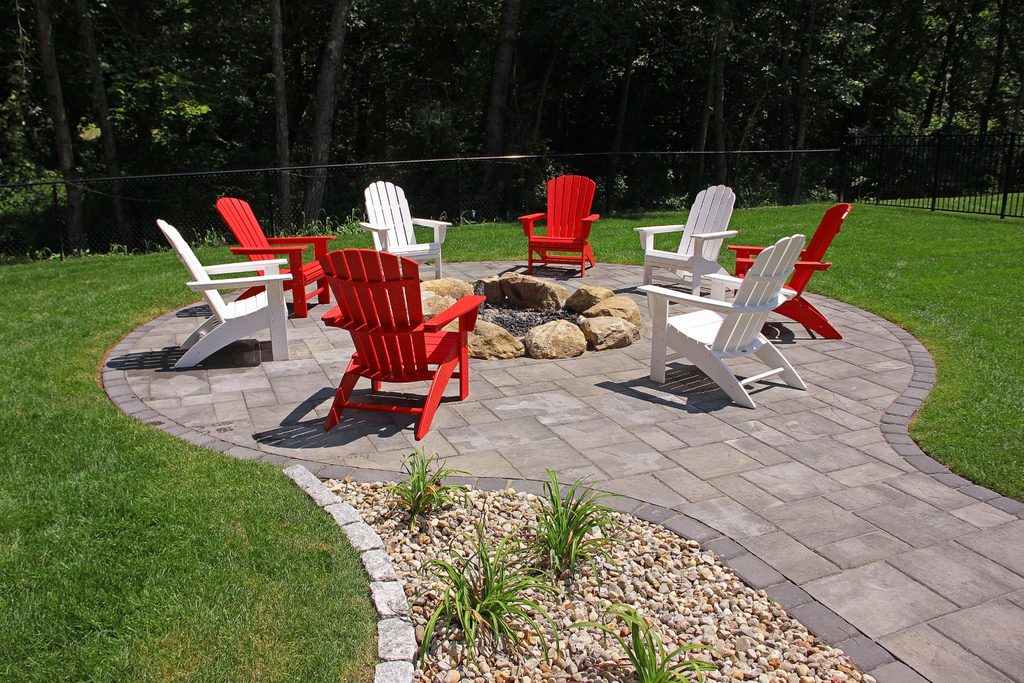
Custom paver patios and walkways offer an exquisite way to enhance outdoor spaces, with design versatility and long-lasting durability that suits the New Hampshire climate. As homeowners increasingly seek to optimize their outdoor environments, understanding the best materials and installation practices becomes essential. This guide will help you navigate the choices for creating stunning paver patios and walkways that not only elevate aesthetics but also withstand the test of time. Throughout this article, we will discuss the types of materials available, the installation process, necessary maintenance, and budgeting considerations. Additionally, you will learn about the benefits of partnering with professionals like Groundhog Landscaping Inc., who specialize in custom hardscape solutions.
What Are the Best Materials for Custom Paver Patios and Walkways in New Hampshire?
Selecting the right materials for your paver project significantly impacts its durability, looks, and cost. Popular options include concrete pavers, brick pavers, and natural stone, each offering unique benefits and characteristic features.
Choosing materials wisely not only ensures functionality and longevity but also enhances the beauty of your property.
How Do Brick, Stone, and Concrete Pavers Compare for Durability and Look?
When comparing brick, stone, and concrete pavers, several factors come into play, including durability and aesthetics.
Durability: Concrete pavers are typically the most durable, withstanding heavier loads and harsh weather conditions. Brick pavers excel in heat retention and do not fade easily, while natural stone adds a level of uniqueness but can require more maintenance.
Aesthetics: The choice in look depends on personal taste; brick delivers a traditional vibe, concrete offers a modern look, and natural stone presents an organic charm that can elevate any landscape.
Durability: Concrete pavers are typically the most durable, withstanding heavier loads and harsh weather conditions. Brick pavers excel in heat retention and do not fade easily, while natural stone adds a level of uniqueness but can require more maintenance.
Aesthetics: The choice in look depends on personal taste; brick delivers a traditional vibe, concrete offers a modern look, and natural stone presents an organic charm that can elevate any landscape.
Groundhog Landscaping Inc. provides professional insights into these material choices, ensuring that homeowners can make informed decisions tailored to their specific outdoor vision.
Why Are Permeable Pavers Growing in Popularity for NH Hardscapes?
In recent years, permeable pavers have gained traction among homeowners in New Hampshire due to their environmental benefits and ability to manage stormwater effectively. These pavers allow water to seep through, reducing runoff and promoting groundwater recharge.
Additionally, they minimize the risk of flooding during rainfall and contribute to healthier local ecosystems. As awareness of environmental sustainability increases, permeable pavers present a smart choice for responsible landscaping.
How Does the Custom Paver Patio and Walkway Installation Process Work in New Hampshire?
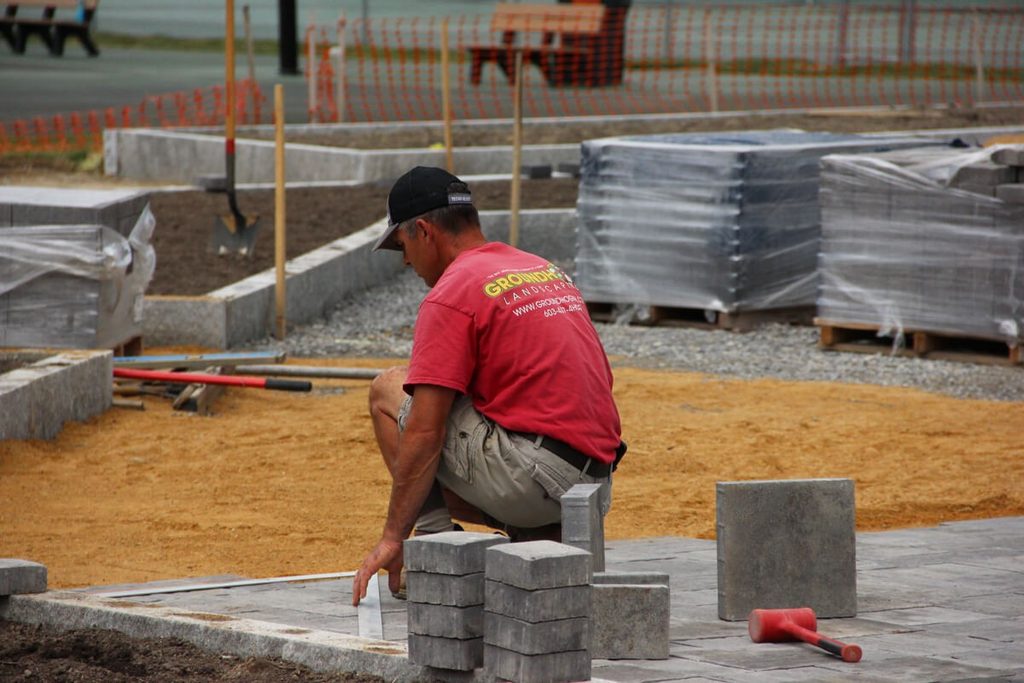
The installation of a custom paver patio or walkway typically consists of several crucial steps. Understanding this process can help homeowners prepare for their project and manage expectations effectively.
Site Assessment: Professionals will evaluate the area to determine any necessary excavation work and prepare the installation base.
Excavation: Removing existing materials and ensuring a proper foundation is critical for long-lasting results.
Base Preparation: A solid base composed of gravel is laid, ensuring that pavers have a stable foundation to prevent shifting and settling.
Site Assessment: Professionals will evaluate the area to determine any necessary excavation work and prepare the installation base.
Excavation: Removing existing materials and ensuring a proper foundation is critical for long-lasting results.
Base Preparation: A solid base composed of gravel is laid, ensuring that pavers have a stable foundation to prevent shifting and settling.
What Should You Expect During the Consultation and Design Phase?
During the initial consultation, homeowners can expect a thorough discussion of their vision, including design preferences, material choices, and budget considerations. Specialists will assess the yard, address any potential challenges, and provide design options that best suit the space. This collaborative approach ensures that each installation maintains the unique characteristics of the property while achieving the desired aesthetic.
How Long Does Patio or Walkway Installation Usually Take?
The timeline for installation can vary based on project complexity, but typically, a standard patio or walkway can take anywhere from one to two weeks, depending on the weather and site conditions. Groundhog Landscaping Inc. strives for efficiency while ensuring that all installations comply with quality standards.
What Maintenance Tips Will Keep Your Paver Patios and Walkways Looking Great for Years?
Maintaining paver patios and walkways is essential for preserving their beauty and functionality over time.
Regular Cleaning: Clear debris, leaves, and dirt regularly to prevent staining and deterioration.
Sealing: It’s recommended to seal pavers every few years to protect them from moisture and stains. For optimal performance, sealing should be conducted every 2-3 years, especially in New Hampshire’s varying climate.
Weed Control: Weeds can break through the joints of pavers. Regular maintenance, including the application of weed preventatives and periodic hand pulling, is crucial.
Regular Cleaning: Clear debris, leaves, and dirt regularly to prevent staining and deterioration.
Sealing: It’s recommended to seal pavers every few years to protect them from moisture and stains. For optimal performance, sealing should be conducted every 2-3 years, especially in New Hampshire’s varying climate.
Weed Control: Weeds can break through the joints of pavers. Regular maintenance, including the application of weed preventatives and periodic hand pulling, is crucial.
How Often Should Pavers Be Sealed or Cleaned in NH’s Climate?
Pavers in New Hampshire require sealing approximately every 2-3 years due to seasonal weather fluctuations, which can contribute to wear and moisture penetration. Regular cleaning should be done seasonally to avoid the buildup of grime and maintain a vibrant appearance.
What Common Repairs Might Be Needed and How Are They Handled?
Over time, paver patios and walkways may need repairs due to settling or damage. Common issues that may arise include sinking pavers, which can be addressed by re-leveling the area, as well as repairing cracks and controlling weed growth. Engaging professionals like Groundhog Landscaping Inc. ensures that all repairs are handled swiftly and effectively.
How Much Should You Budget for Custom Paver Patios and Walkways in New Hampshire?
Budgeting for a custom paver project in New Hampshire requires consideration of several factors including material costs, labor rates, and the project’s overall complexity.
Typically, the cost of a paver patio installation can range from $2,400 to $7,000 depending on size and material choices.
What Factors Influence the Cost of Outdoor Patio Construction in NH?
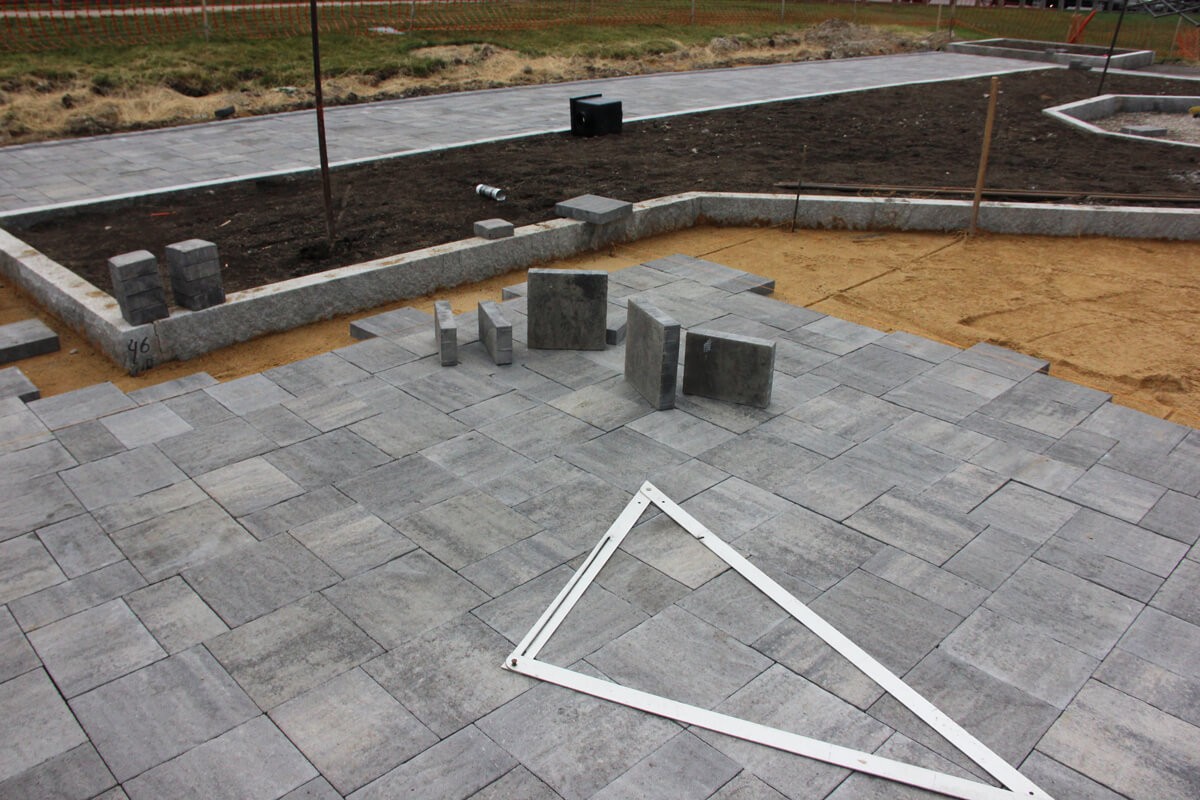
Several key factors influence the overall construction costs:
Material Choices: Higher-end materials, such as natural stone, will significantly increase costs compared to concrete.
Labor Costs: These can vary widely based on the project’s complexity and the contractor’s experience.
Permits and Site Preparation: Depending on local regulations and site specifics, projects may require permits, which can add to costs.
Material Choices: Higher-end materials, such as natural stone, will significantly increase costs compared to concrete.
Labor Costs: These can vary widely based on the project’s complexity and the contractor’s experience.
Permits and Site Preparation: Depending on local regulations and site specifics, projects may require permits, which can add to costs.
Are Financing Options Available for Custom Hardscape Projects?
Financing options for custom hardscape projects can help homeowners manage costs effectively. Many companies, including Groundhog Landscaping Inc., offer flexible financing solutions to support your dream outdoor space.
By carefully considering these aspects, homeowners can make informed choices that align with their budget and aesthetic preferences, ultimately resulting in beautiful, durable paver patios and walkways that enhance their outdoor living space.