
Signing a commercial snow removal contract involves careful consideration to ensure that your property remains accessible and safe during the harsh winter months. As snow accumulation can pose significant risks to both homeowners and property managers, understanding the nuances of these contracts is vital. This article will provide key insights into the components of snow removal contracts, tips for selecting a reliable service provider, and address common questions surrounding these agreements. Ultimately, a well-structured commercial snow removal contract ensures peace of mind and protects your investment against winter conditions.
What Do Commercial Snow Removal Contracts in New Hampshire Include?
Commercial snow removal contracts in New Hampshire typically encompass several critical components, such as service obligations, pricing structures, and safety measures. Ensuring these elements are clearly outlined is essential for a successful service experience.
Service obligations involve the specific tasks to be performed by the snow removal service, including plowing, salting, and any additional maintenance required after significant snowfall events. Pricing structures can vary, with services often billed per event, seasonal contracts, or through flat-rate agreements depending on the type of service you require. Safety measures are other crucial inclusions, as the contract should also outline expected safety practices to minimize hazards for both employees and clients.
Groundhog Landscaping Inc. focuses on delivering comprehensive landscaping services, including commercial snow removal contracts, suitable for homeowners and property managers in New Hampshire. They ensure personalized service delivery tailored to specific contract needs.
How to Choose a Reliable Commercial Snow Removal Service in NH?
Selecting a dependable commercial snow removal service involves several key criteria to ensure reliability and quality service. When looking for a provider, here are three vital factors to consider:
- Qualifications of the Service Provider: Verify that the service provider has the necessary insurance, licenses, and certifications to operate within your area.
- Service Agreements Overview: Ensure that the service agreement clearly outlines the terms, including response times, service frequency, and any additional fees.
- Customer Reviews Check: Read customer testimonials and check reviews to gauge the reliability and service quality of the provider.
By evaluating these criteria, you can choose a snow removal service that effectively meets your needs while ensuring cost-effectiveness and safety.
Common Questions About Commercial Snow Removal Contracts
Many customers have questions regarding commercial snow removal contracts. Here are answers to some of the most frequently asked inquiries:
How Quickly Do Contractors Respond After a Snowstorm in NH?
Contractors typically respond within 24 hours after a snowstorm, depending on the severity of the weather and existing contract agreements. Quick responses are crucial for safe access and operations, so it’s important to discuss expected response times during contract negotiations.
What Equipment is Typically Used?
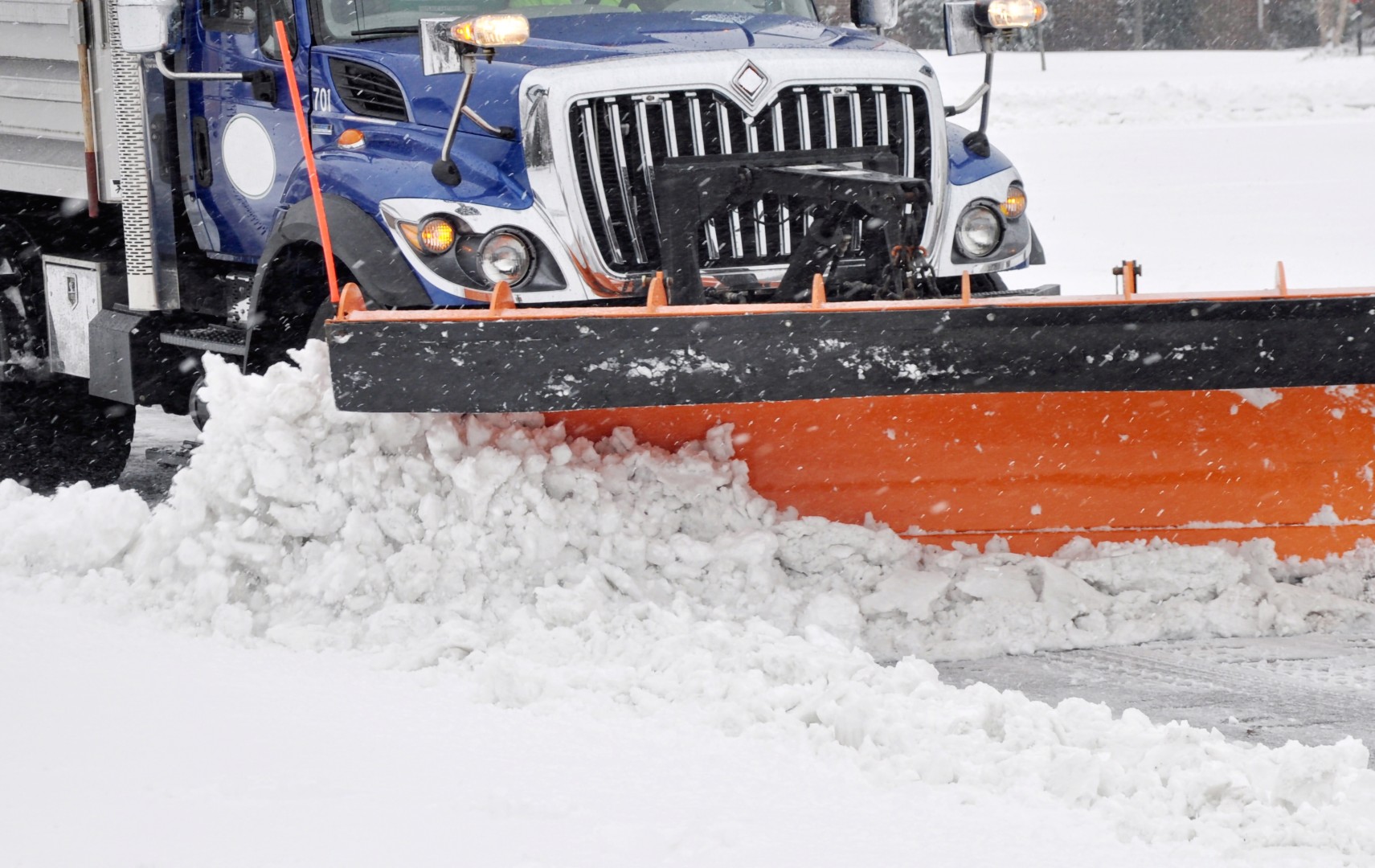
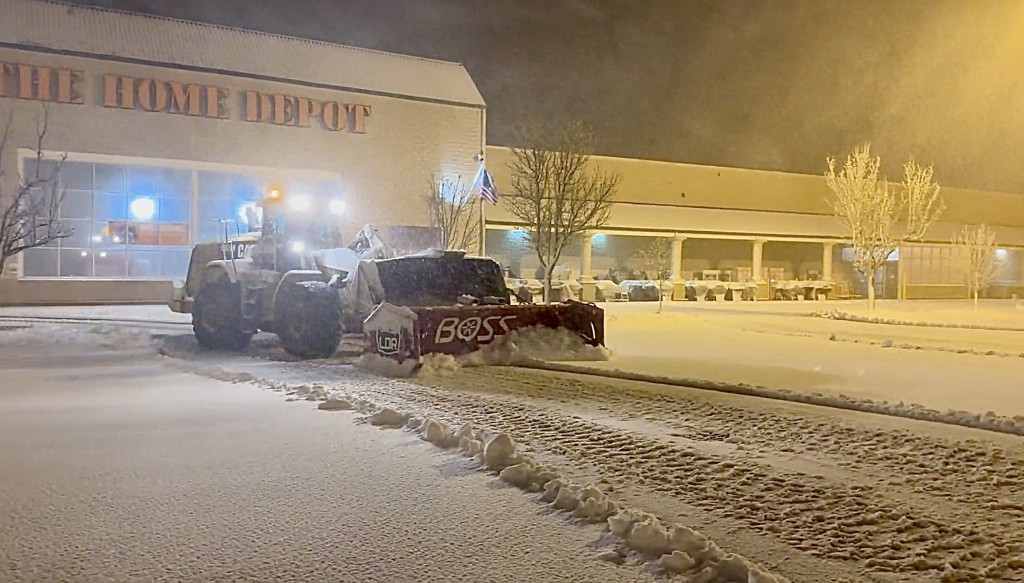
Snow removal services often utilize various types of equipment, including plow trucks, snow blowers, and de-icing agents. Each piece is essential for efficiently managing varying snowfall levels and maintaining safe driveways and walkways.
What Should I Expect from My Contract?
Expect your contract to detail each service provided, payment terms, and what happens in emergencies like extreme weather conditions. Understanding these terms can help manage expectations and ensure satisfactory service delivery.
Different snow removal agreements can be tailored to specific needs ensuring that both property managers and homeowners are adequately covered throughout the winter season.