
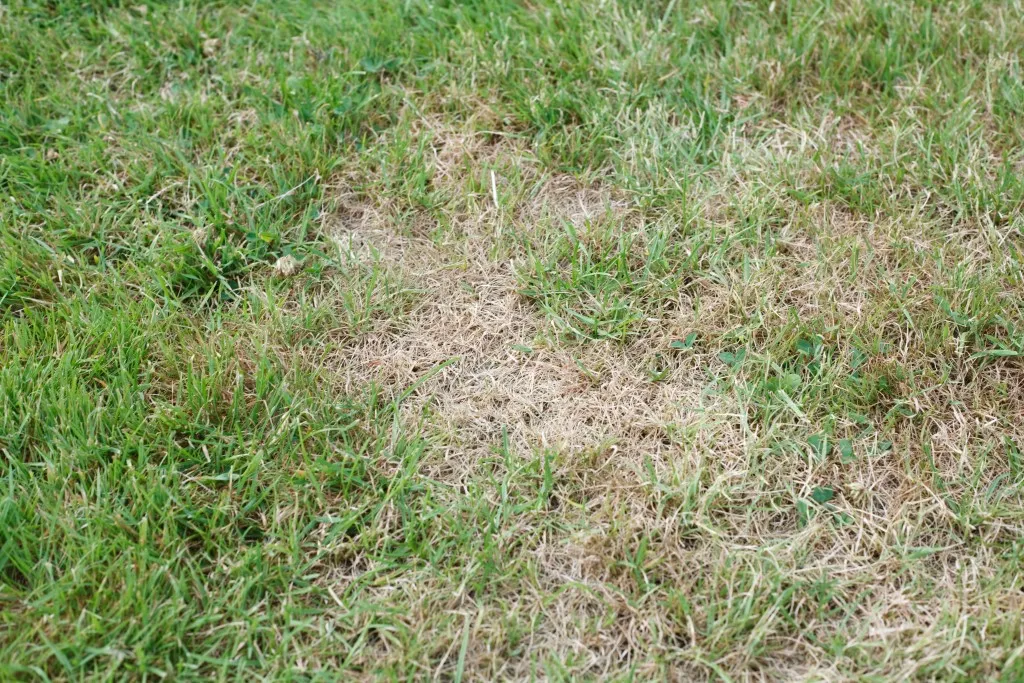
Late summer in New Hampshire can really take a toll on your lawn — think rising temperatures and irrigation issues that sneak up on you. As a homeowner, you’re often left wondering: is my brown lawn dealing with drought stress, or are my sprinklers on the fritz? We put together this guide to help you spot the signs of late-summer lawn stress, understand what’s causing it, and get your lawn back to looking its best. We’ll walk you through what symptoms to watch for, how irrigation problems play a role, and practical tips for keeping your lawn strong through the heat.
Identifying Symptoms
Spotting the symptoms early makes all the difference. Keep an eye out for visual cues — discoloration or patchy spots usually point to dehydration or a lack of nutrients. Wilting grass is another telltale sign of stress, especially during the hottest stretch of summer. A quick way to check: stick your finger into the soil. If it feels bone-dry a couple inches down, your lawn probably needs more water.
Common Causes
There are a few usual suspects behind late-summer lawn stress. Irrigation issues top the list — sprinkler systems that aren’t delivering enough water to your grass. Pair that with drought conditions and steady heat, and you’ll start seeing brown patches and unhealthy-looking turf. On top of that, lawn diseases become more likely this time of year, which can make existing stress symptoms even worse. Once we understand what’s causing the problem, we can figure out the right fix.
Recommended Solutions
The good news is there’s a lot you can do to help your lawn bounce back. Start by inspecting and repairing your irrigation system — check for clogged sprinkler heads and make sure every part of your lawn is getting even coverage. Adjusting how you water matters too: deep, less frequent watering beats light daily sprinkling every time. Raising your mowing height also helps your grass handle stress better, and a layer of mulch goes a long way toward retaining soil moisture and cutting down on evaporation.
Keeping soil moisture consistent across your whole yard really is the key to a resilient lawn.
If you’re dealing with a lawn that just won’t bounce back, we’re here to help. We specialize in lawn care and irrigation services, and we’d love to take a look at what’s going on. Give us a call at (603) 437-4464 or stop by our office at 6 Bowers Road, Derry, NH 03038 — we’re happy to put together a plan tailored to your lawn.
How can you identify late-summer lawn stress symptoms in New Hampshire?
Here in New Hampshire, we look for a few key indicators. Significant browning usually points to drought conditions, while a wilted look means your grass is struggling to get enough water. You’ll also notice grass going dormant more quickly during high heat — catching these signs early helps prevent more serious damage down the road.
What are the common signs of drought stress on your lawn?
Common signs of drought stress on a lawn include:
Discoloration: Grass shifts from vibrant green to yellow or brown when it’s not getting enough water.
Wilting: Grass blades curl or fold inward — a clear physical sign of stress.
Browning: Certain patches turn brown, usually the areas getting the least water.
Thin Patches: Some spots become sparse or thin, a sign of inadequate hydration.
How to spot sprinkler dry spots causing brown patches?
Spotting dry spots from a faulty sprinkler system isn’t too hard once you know what to look for. Start with a visual check — see if certain areas stay dry compared to the rest of your lawn. You can also dig a small hole to test soil moisture directly. If the soil in a particular spot is noticeably drier than the rest, that’s usually a sign your sprinklers aren’t covering that area properly.
What causes sprinkler system problems and dry spots in NH lawns?
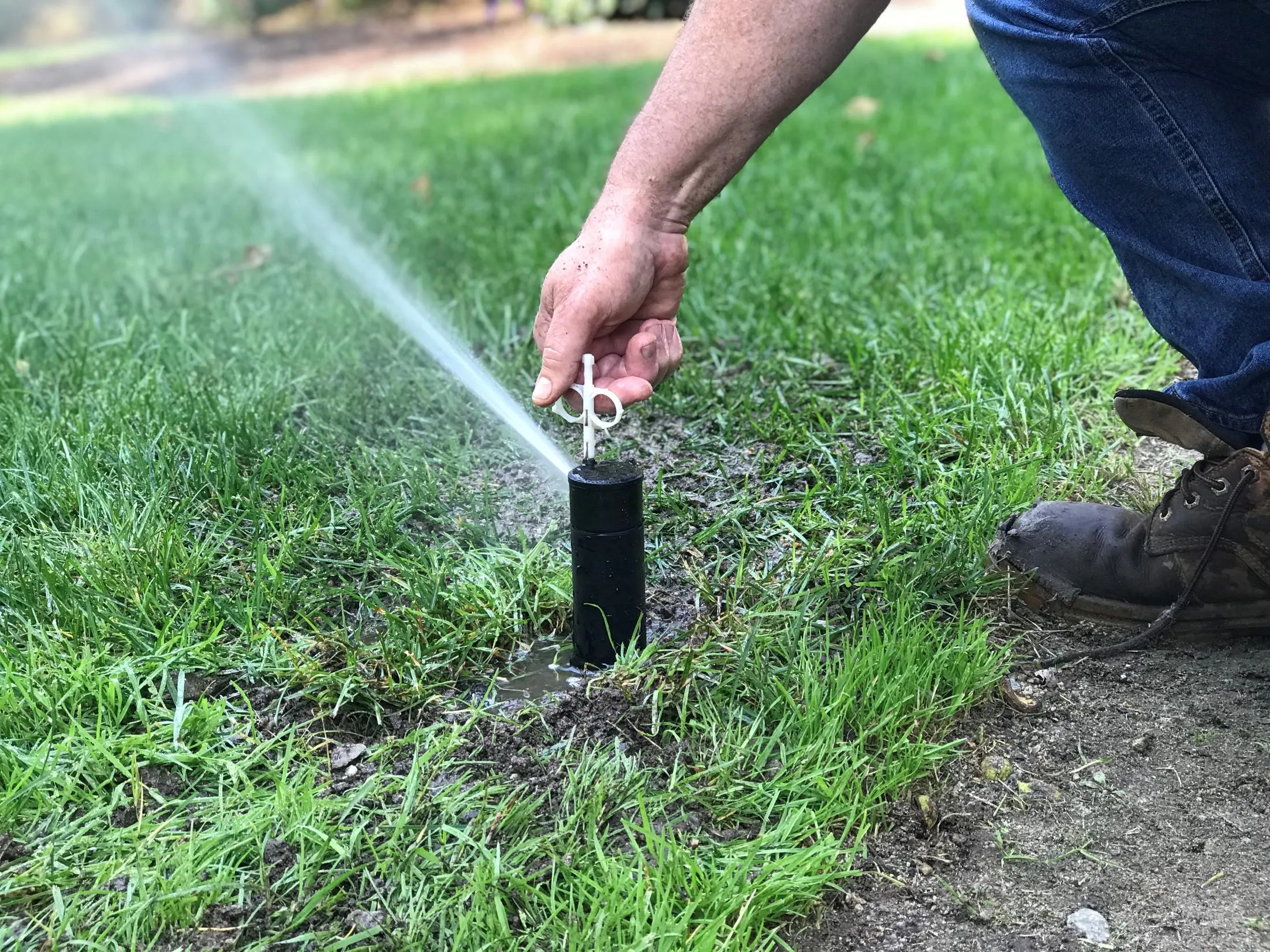
In our years of repairing irrigation systems around NH, we run into the same handful of issues over and over. Misaligned heads are a frequent culprit — when they’re not aimed right, some areas get skipped over entirely. Dirt and debris can clog the heads too, cutting off water flow. And sometimes it just comes down to the controller: wrong settings or a glitch can throw off your whole watering schedule.
Which irrigation faults typically lead to uneven watering?
Misaligned Heads: When sprinkler heads aren’t aimed correctly, some areas go dry while others get too much water.
Blockages: Debris buildup blocks water flow and leaves parts of your lawn under-watered.
Controller Issues: A faulty timer or incorrect programming can throw off your watering schedule or shorten watering time.
How does Groundhog Landscaping repair broken sprinklers and irrigation issues?
We take a methodical approach to diagnosing and repairing broken sprinklers. First, we do a full inspection to spot any visible damage or inefficiencies. From there, our technicians adjust or replace any malfunctioning heads and valves. We also handle seasonal maintenance to keep your system running efficiently and help prevent problems before they start.
What are the best late summer lawn care tips for drought resilience in New Hampshire?
Want a lawn that can handle the heat? Here are our go-to tips:
Water Deeply, Not Often: Deep, infrequent watering encourages roots to grow deeper, making your lawn more drought-resilient.
Adjust Your Mowing Height: Raising the mowing height reduces stress on the grass and helps shade the soil.
Use Mulch: Mulch around plants helps conserve moisture, keeps soil cooler, and cuts down on evaporation.
Aerate Regularly: Aeration improves water penetration and root development — especially important during drought.
Which grass types resist drought best in NH climates?
Some grass types just hold up better in our New Hampshire climate:
Kentucky Bluegrass: Its deep root system helps it access moisture even when things dry out.
Perennial Ryegrass: It establishes quickly and handles drought reasonably well, making it a solid choice for many homeowners.
How to adjust watering schedules to protect your lawn during heat?
Timing and frequency make a big difference here. Water early in the morning when evaporation rates are lower, so more of it actually soaks into the soil. And instead of watering a little every day, water deeply just a few times a week — it encourages stronger, deeper roots instead of shallow ones.
How can you schedule a consultation or get irrigation repair help from Groundhog Landscaping in NH?
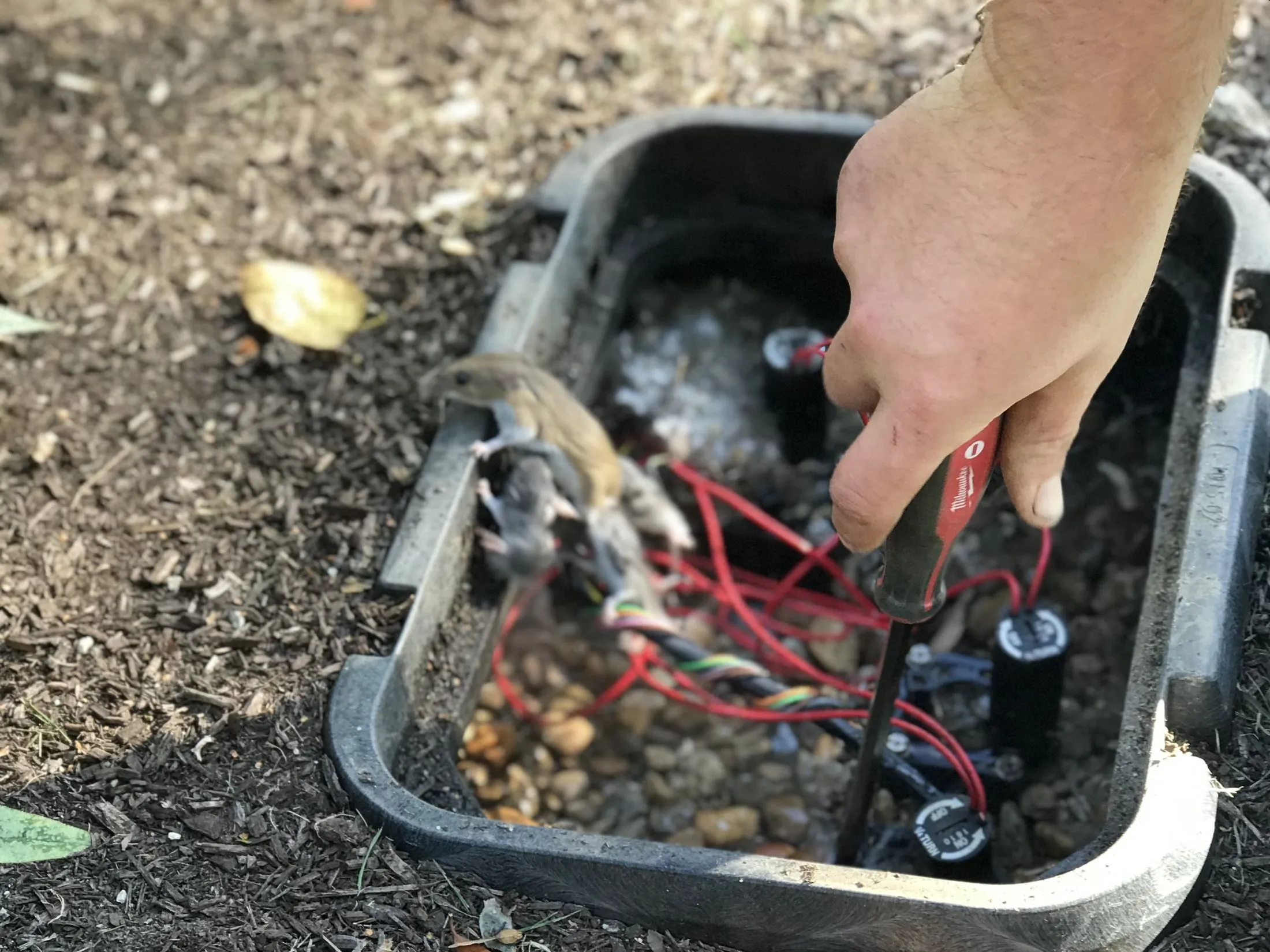
Getting started is easy — just give us a call or reach out through our contact info. We’ll come out and do a full lawn health assessment, including a look at your current irrigation system, and give you recommendations tailored to your lawn’s specific needs.
What should you expect during a lawn health assessment?
During your assessment, we’ll walk your property and take a close look at your grass and soil conditions. We check things like moisture levels and any signs of pests or disease, then put together recommendations based on what we find.
How to request a reliable sprinkler system repair estimate?
To get an accurate estimate, it helps to have a few details ready: what kind of repairs you think you need, any issues you’ve noticed, and the size of the areas involved. Reaching out by phone or in person is the fastest way to get clear answers and a solid quote.