
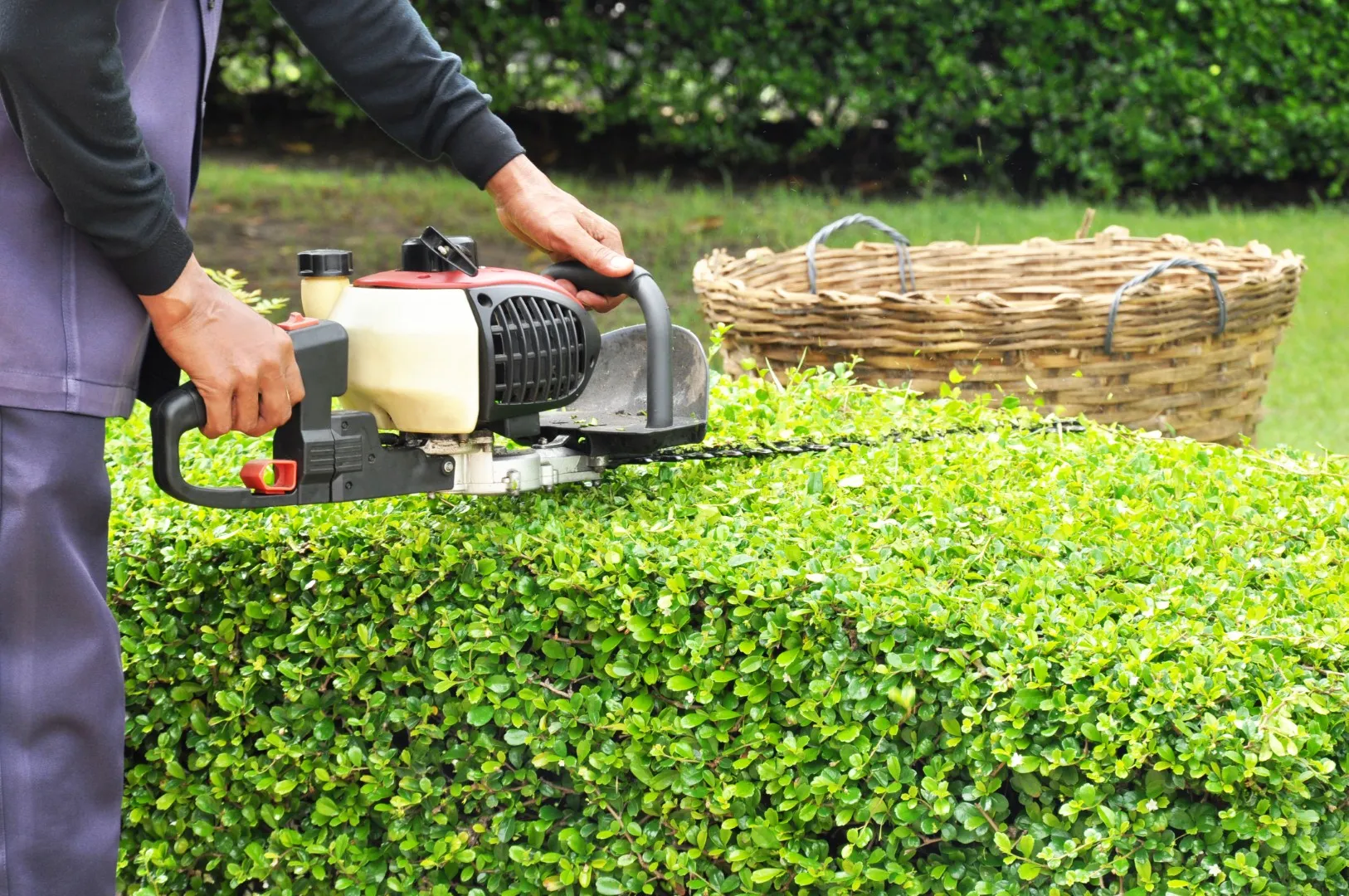
Pruning shrubs effectively is essential for maintaining their health and aesthetic appeal, especially for homeowners in New Hampshire. Understanding the best practices for shrub pruning ensures not only the longevity of the plants but also promotes healthy growth. Many homeowners may wonder about the right time to prune and whether late summer is appropriate. This guide provides insights into late summer shrub pruning, emphasizing when to prune, which shrubs to prune, and the benefits of this practice. Equipped with this knowledge, homeowners can enhance their landscaping and improve the overall health of their shrubs. In addition, “Groundhog Landscaping Inc.” specializes in offering tailored shrub pruning services that align with the specific needs of New Hampshire homeowners.
Best Practices for Pruning Shrubs in Late Summer
Pruning shrubs during late summer can be beneficial if done correctly. The main goal is to maintain plant health while fostering optimal growth. Here are essential practices to keep in mind:
Timing: Prune immediately after flowering to allow shrubs to regain their energy before winter. This timing ensures that newly exposed growth has adequate time to harden before frosts.
Assessing Plant Shape: Regular assessment of the shrub shape promotes a natural aesthetic. Ensure the shrub maintains a balanced appearance and remove any dead or diseased branches to enhance airflow.
Careful Cuts: It’s important to make clean, angled cuts approximately ½ inch above a growing bud. This method encourages growth and minimizes the risk of disease.
Groundhog Landscaping Inc. provides comprehensive “shrub care services”, including precise pruning techniques tailored to the unique needs of your plants. Our expertise helps homeowners achieve the best results from their landscaping efforts.
When Is the Best Time to Trim Shrubs in New Hampshire?
The optimal time for pruning shrubs in New Hampshire primarily revolves around the specific species and their blooming cycles. For most shrubs, late summer is ideal since it allows plants to focus on recovery and developing robust growth. Homeowners should always consider the individual blooming times of their shrubs to ensure they are pruned at the right moment.
Why Does Timing Matter for Late Summer Shrub Pruning?
Timing is crucial when it comes to shrub pruning, as it directly impacts the health and flowering potential of the plants. Late summer pruning encourages robust growth and minimizes the risk of frost damage to new shoots. By pruning early, shrubs can rejuvenate without the stress of an early winter, ensuring they survive the cold months. Understanding the relationship between pruning and seasonal cycles allows homeowners to strategically plan their “shrub maintenance”.
How New Hampshire’s Climate Affects Shrub Pruning Schedules
The climate in New Hampshire plays a significant role in determining when and how to prune shrubs. Winters can be harsh, making it vital to prepare plants for the cold. As a result, many shrubs benefit from light pruning in late summer while allowing time for new growth to mature. Homeowners can also adapt their pruning schedules based on prevailing weather conditions, ensuring shrubs receive adequate care tailored to their local microclimates.
Which Shrubs Can You Safely Prune in Late Summer?
Not all shrubs can be pruned during late summer without adverse effects. Identifying the appropriate types that fare well with this timing is essential for successful landscaping. Here are some shrubs typically safe for late summer pruning:
Summer-Flowering Shrubs: These shrubs have already completed their blooming cycle, making late summer pruning ideal.
Deciduous Shrubs: Pruning can stimulate new growth for deciduous varieties, helping them thrive in the upcoming seasons.
Hardy Perennials: These shrubs can handle late summer pruning, encouraging fuller blooms in the following year.
By focusing on these types, homeowners can ensure that they preserve their shrubs’ health and vitality through effective pruning practices.
Top New Hampshire Shrub Species Ideal for Late Summer Pruning
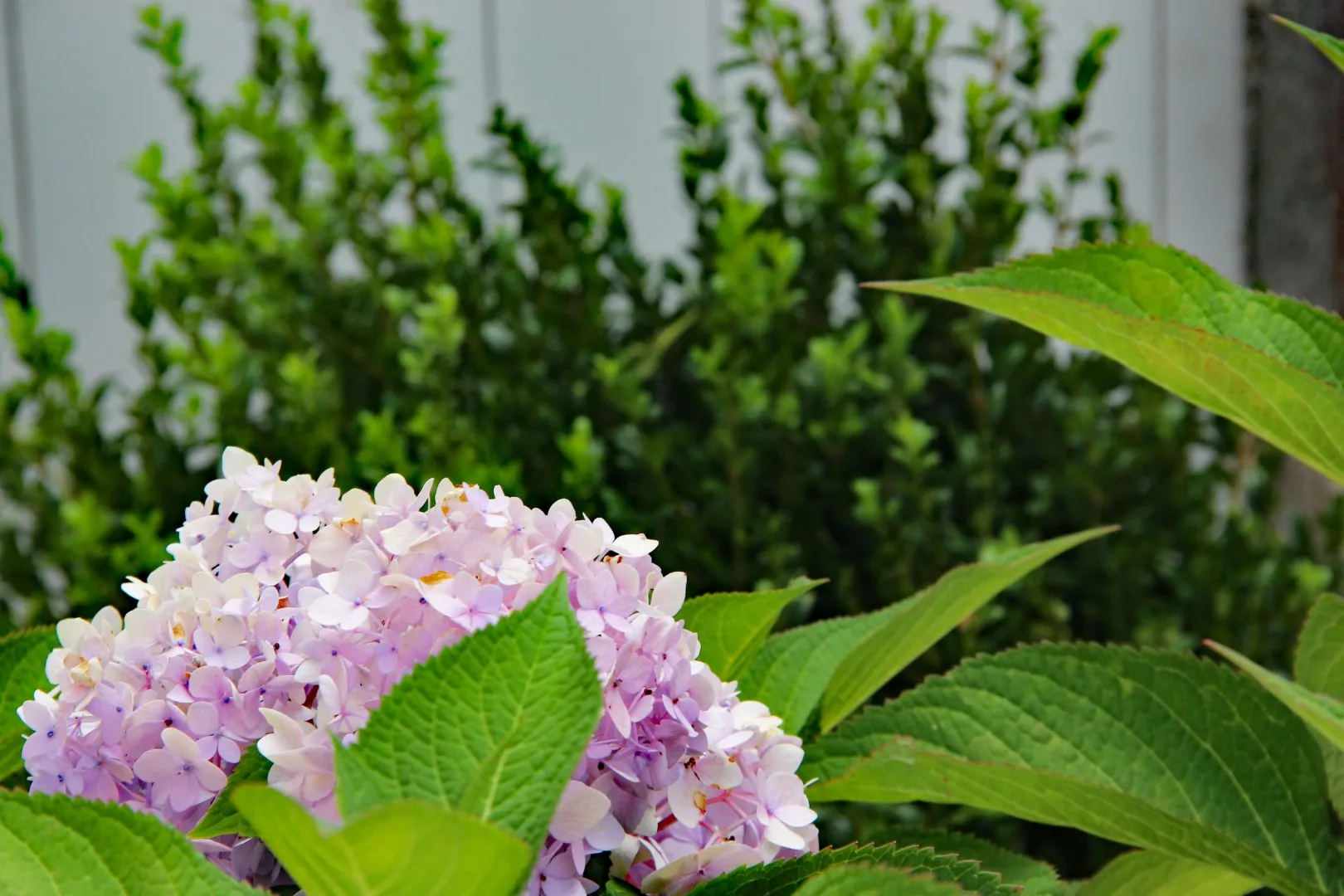
In New Hampshire, several shrub species thrive with proper late summer pruning:
Hydrangeas: Late blooming varieties like the ‘Endless Summer’ can benefit substantially from this timing, promoting a fuller bloom the next season.
Spireas: Known for their adaptability, these shrubs can flourish post-pruning, encouraging reblooming.
Lilacs: Although traditionally pruned post-bloom, some varieties can accommodate late summer trimming for shape management and health.
Understanding which species offer the best response to late summer pruning allows homeowners to make informed decisions that enhance their landscaping.
Signs Your Shrubs Are Ready for a Late Summer Trim
Recognizing when shrubs are ready for a late summer trim is vital for effective pruning. Homeowners should look out for the following signs:
Flowering Completion: After the flowering period ends, many shrubs benefit from pruning to promote new growth.
Overgrowth: If shrubs begin to appear overgrown or unshapely, it’s time to trim back excess growth to maintain aesthetics.
Diseased or Dead Branches: Any visible signs of disease or dead branches should prompt immediate pruning to safeguard the overall health of the plant.
These indicators help ensure that shrubs are pruned at the right time, promoting optimal health and vitality.
How to Prune Shrubs in Late Summer for Healthy Growth in NH
For successful late summer pruning, homeowners should follow a straightforward process to ensure healthy growth:
Analyze the Shrub: Begin by assessing the overall health, shape, and blooming status of the shrub.
Select Your Tools: Use clean, sharp pruning shears to ensure cuts are clean. This minimizes stress and potential disease transfer.
Make the Cuts: Prune strategically, focusing on dead or diseased branches, as well as those that disrupt the desired shape.
Step Back: After trimming, take a moment to evaluate the overall shape once again, adjusting as necessary to achieve a balanced look.
Following these steps can ensure shrubs maintain their health and vitality effectively.
Which Tools and Techniques Work Best for Late Summer Pruning?
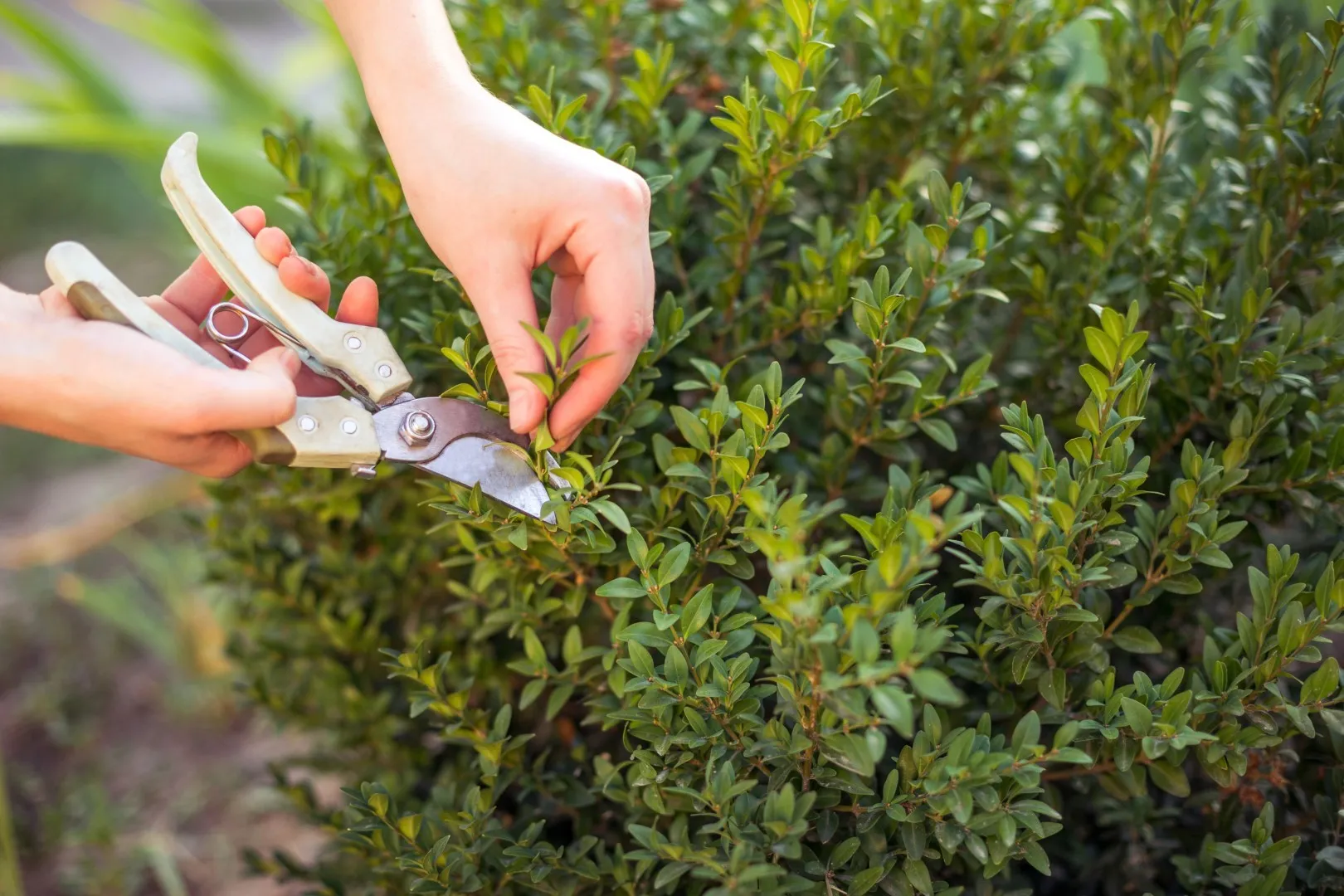
Using the right tools and techniques is vital for successful late summer pruning. Some tools include:
Pruning Shears: Ideal for small to medium branches, ensuring precise cuts without crushing the stems.
Loppers: Best for thicker branches, providing necessary leverage for clean cuts.
Saw: For larger branches, a handheld saw ensures clean cuts that promote healthy healing.
Techniques like making angled cuts above a bud and avoiding excessive trimming help the shrub recover faster, fostering vigorous growth.
Common Mistakes to Avoid When Pruning Shrubs Late in the Season
To achieve the best results, homeowners should avoid several common pitfalls during late summer pruning:
Pruning Too Late: Cutting back too late in the season can expose new growth to frost damage.
Over-Pruning: Removing too much at once can shock the plant, leading to stunted growth.
Ignoring Watering Needs: Post-pruning, shrubs often require extra watering to bounce back effectively.
By steering clear of these mistakes, homeowners can ensure their shrubs thrive following pruning.
Why Late Summer Pruning Keeps Your NH Shrubs Healthy
Late summer pruning provides several key benefits for shrubs in New Hampshire:
Enhances Growth: Pruning stimulates new growth that leads to healthier, fuller shrubs.
Prevents Disease: Removing dead and diseased branches enhances airflow, reducing the risk of disease.
Shapes Plants: Effective pruning manages shape, improving overall landscape aesthetics.
Pruning during this time aligns with the natural growth cycle of many shrubs, facilitating optimal health and sustainability.
How Late Summer Pruning Supports Next Season’s Bloom and Shrub Health
Late summer pruning lays the groundwork for successful blooms in the upcoming season. By allowing newly exposed growth to root and strengthen, homeowners set their shrubs up for success. This proactive approach encourages vibrant flowering and robust health, ensuring stunning gardens throughout the growing seasons.
When Should You Consider Professional Shrub Care Services in NH?
While many homeowners can manage their shrub care, certain situations warrant professional assistance. Groundhog Landscaping Inc. specializes in offering expert shrub pruning services, particularly for complicated pruning projects or larger landscapes. Homeowners should consider professional services when:
Overwhelmed by Size: If shrubs have grown too large for DIY maintenance.
Lack of Time: Professionals can take care of pruning efficiently, saving valuable time.
Desiring Expertise: Accessing expert knowledge can enhance overall landscaping decisions and shrub health.
By consulting with landscaping professionals, homeowners can ensure their shrubs receive the best care possible, facilitating beautiful and thriving yards.