
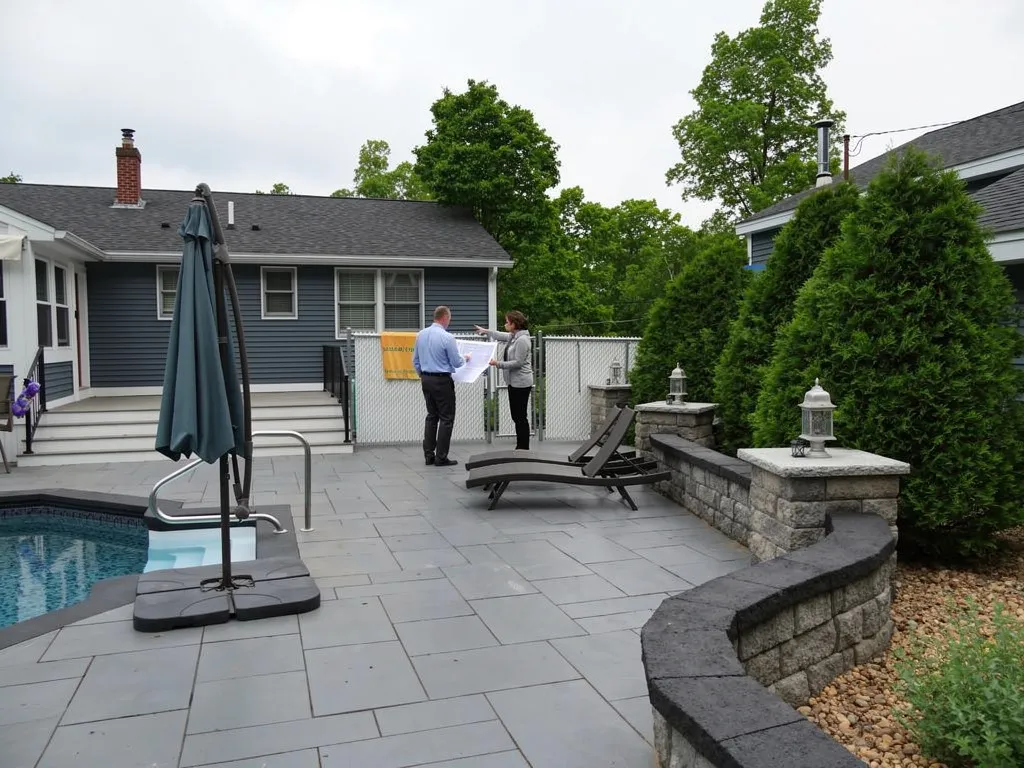
When you’re thinking about a paver patio, there are a few important questions we always encourage homeowners to think through first. A well-planned patio doesn’t just boost your property value — it becomes the spot where you relax, host friends, and enjoy your yard for years to come. Here in New Hampshire, our climate throws some unique challenges into the mix, so it pays to know what you’re getting into before the first paver goes down. We’ve put together the eight questions we think matter most, covering everything from local rules to materials, design, and upkeep, so you can go into your patio project feeling confident and prepared.
What are the local regulations and permits required for patio construction?
Before we break ground on any patio project, we make sure to check local zoning laws and pull the right permits. New Hampshire towns often have their own rules around setbacks, drainage, and land use, and these can shape your project more than you’d expect. That usually means making sure your patio stays clear of public or shared land.
Getting this right upfront helps you avoid fines down the road and keeps everything above board with your town. It also makes the permitting process go a lot smoother, so you’re not stuck waiting around once you’re ready to build.
How should the site be prepared to accommodate New Hampshire’s freeze-thaw cycles?
Getting the site prep right is key to standing up to our New Hampshire winters. Freeze-thaw cycles cause the ground to expand and contract, and that movement can wreck a patio that wasn’t built to handle it.
That’s why we take excavation seriously — the base material needs to be compacted properly so it doesn’t shift over time. We also make sure drainage is dialed in, since standing water only makes freezing conditions worse. A solid foundation is really what keeps your paver patio stable and long-lasting.
What type of materials are best suited for paver patios in this climate?
Picking the right materials makes all the difference when it comes to standing up to New Hampshire weather. Here are the options we recommend most:
Concrete Pavers: Tough, budget-friendly, and available in tons of styles and colors.
Brick Pavers: Classic good looks with the durability to handle the elements.
Natural Stone Pavers: A bit pricier, but you get natural beauty and serious long-term durability.
Each material brings something different to the table, so we help you weigh looks against performance for your specific patio.
What design features can enhance the functionality and aesthetics of the patio?
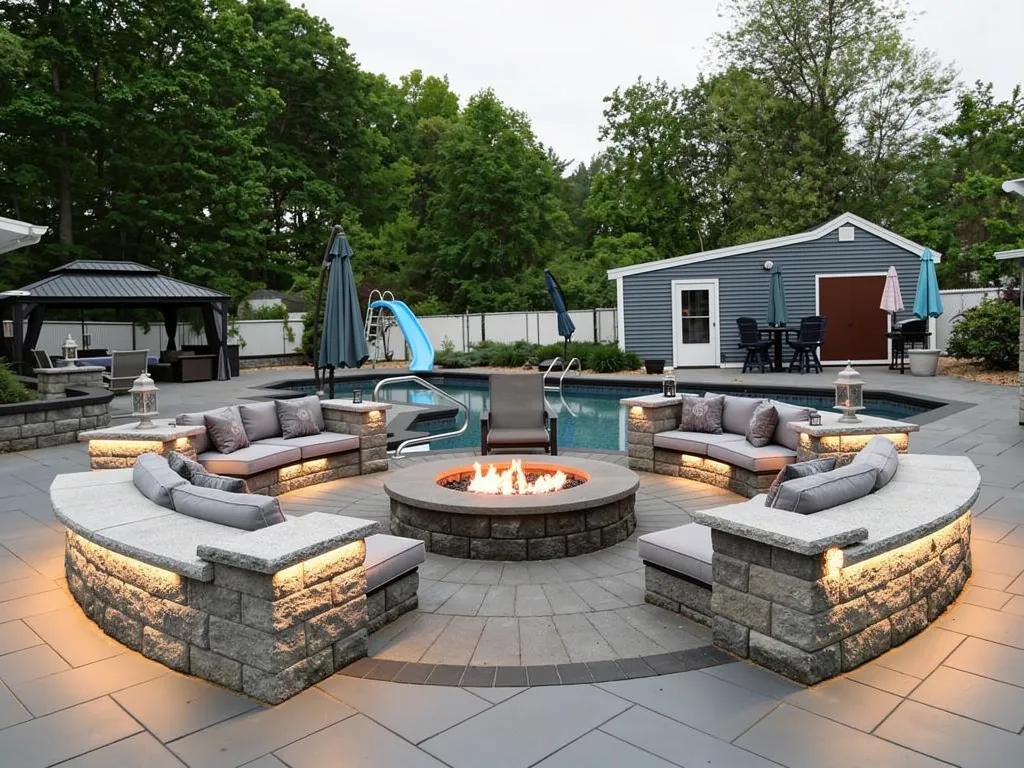
The right design touches can take your patio from nice to a space you’ll live in all summer long. Some of our favorite additions include:
Fire Pits: A cozy gathering spot that stretches your outdoor season well into fall.
Seating Areas: Built-in comfort for dinners, drinks, and everything in between.
Lighting Options: Keeps things safe after dark and adds a warm glow for evening hangouts.
These features aren’t just nice extras — they’re what turn a patio into the place your family and friends actually want to spend time.
How will drainage be managed to prevent water pooling on the patio?
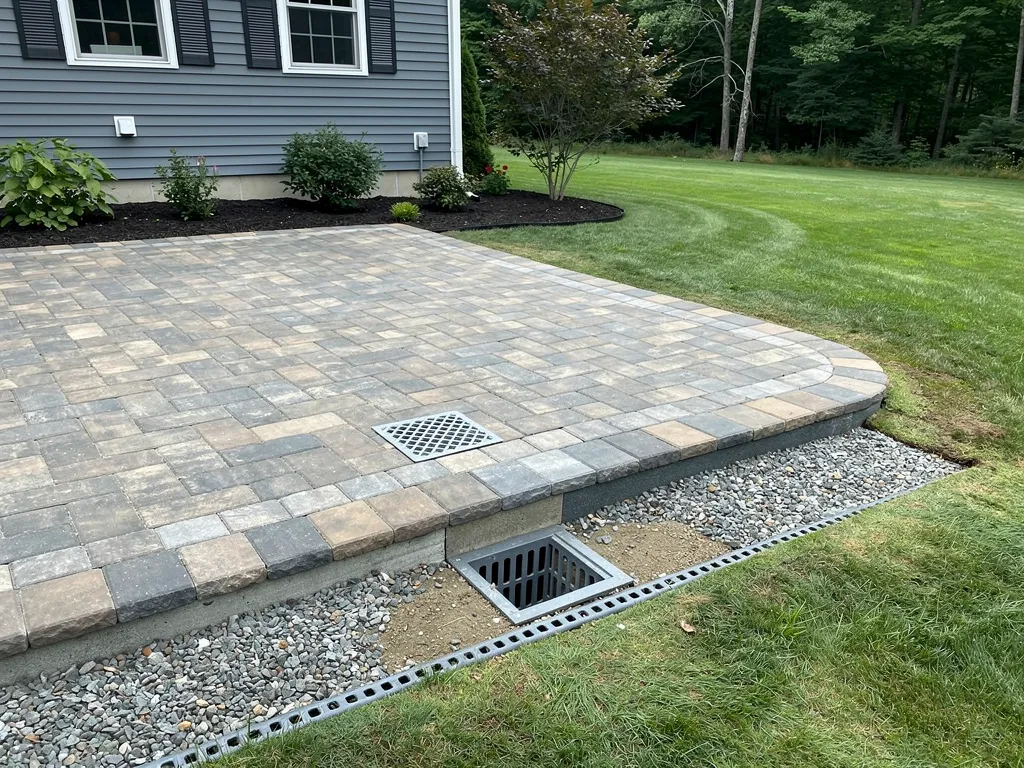
Good drainage is non-negotiable — without it, you’re looking at water pooling, structural issues, and slippery surfaces. Here’s how we tackle it:
Slope the Patio: We build in a slight slope that carries water away from your home.
Add Drainage Systems: Catch basins or perforated pipes move excess water off the patio efficiently.
Use Permeable Pavers: These let water pass right through, cutting down on runoff and pooling.
Getting drainage right keeps your patio safer to use and helps it last a lot longer.
What is the estimated budget for the project, including materials and labor?
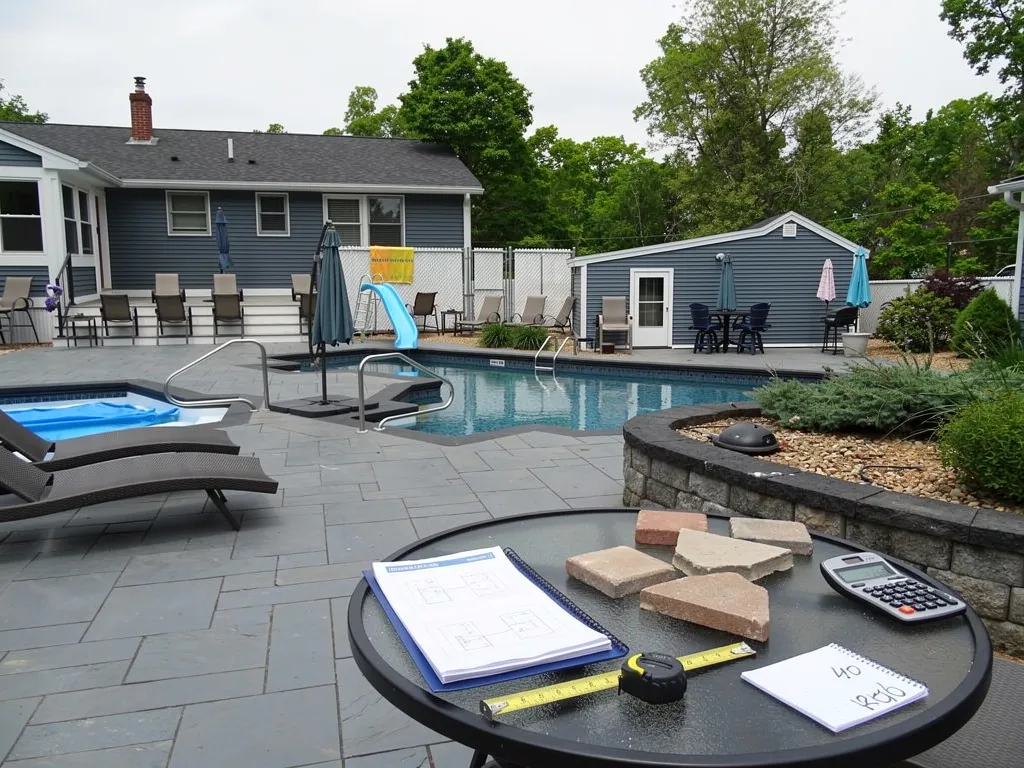
Budget is one of the first things we talk through with homeowners. Costs shift depending on your material choice, patio size, and how many design features you add. On average, New Hampshire homeowners spend between $15 and $30 per square foot for materials and installation. That typically breaks down into:
Materials Costs: Varies quite a bit depending on the paver type you choose.
Labor Expenses: Professional installation usually runs $50 to $150 per hour.
Additional Expenses: Don’t forget permits and site prep — we factor those into your total budget from the start.
We’re always upfront about costs so there are no surprises once the project is underway.
At Groundhog Landscaping, we design and install custom paver patios built specifically for New Hampshire’s climate and your personal style, so we can bring your vision to life while keeping your budget on track.
What maintenance will be required to keep the patio in good condition?
Keeping up with a bit of routine maintenance goes a long way toward extending your patio’s life. Here’s what we recommend:
Regular Cleaning: A good sweep or pressure wash clears debris and prevents staining.
Weed Control: Polymeric sand between the pavers helps keep weeds from taking hold.
Sealing: We suggest sealing the patio every few years to guard against moisture and stains.
Stick with these habits and your patio will keep looking great and holding up for years to come.
Can I see examples of previous projects or references from the contractor?
Before you commit to a contractor, it’s worth taking a look at their past work. Feel free to ask us for:
Portfolios: Real, completed projects that show off styles and complexity similar to what you have in mind.
Client Testimonials: A good look into how reliable and skilled a contractor really is.
References: Talking to past customers directly can tell you a lot about work ethic and customer service.
We’re happy to share our portfolio and connect you with past clients, because we want you to feel completely confident before we get started on your outdoor space.