
Picking the best way to get a new “lawn installation” can feel like a big decision, and it’s one we help New Hampshire homeowners make every day. There are three main routes to a green yard: hydroseeding, sod, and traditional seed, and each comes with its own perks and trade-offs. In this article, we’ll walk you through what makes each method tick so you can pick the right fit for your budget, your timeline, and your yard’s conditions. We know budget, how fast you want results, and how long your lawn will last are all top of mind, so we’re breaking down the real differences to help you feel confident in your choice. We’ll compare all three methods, talk about how our New Hampshire climate factors in, and cover what you can expect to pay and maintain along the way.
Comparison of Hydroseeding, Sod, and Seed for Lawn Installation in New Hampshire
When you’re deciding how to install a new lawn here in New Hampshire, it helps to weigh the pros and cons of hydroseeding, sod, and seed side by side. Each one suits different needs and situations.
1. Sod Installation
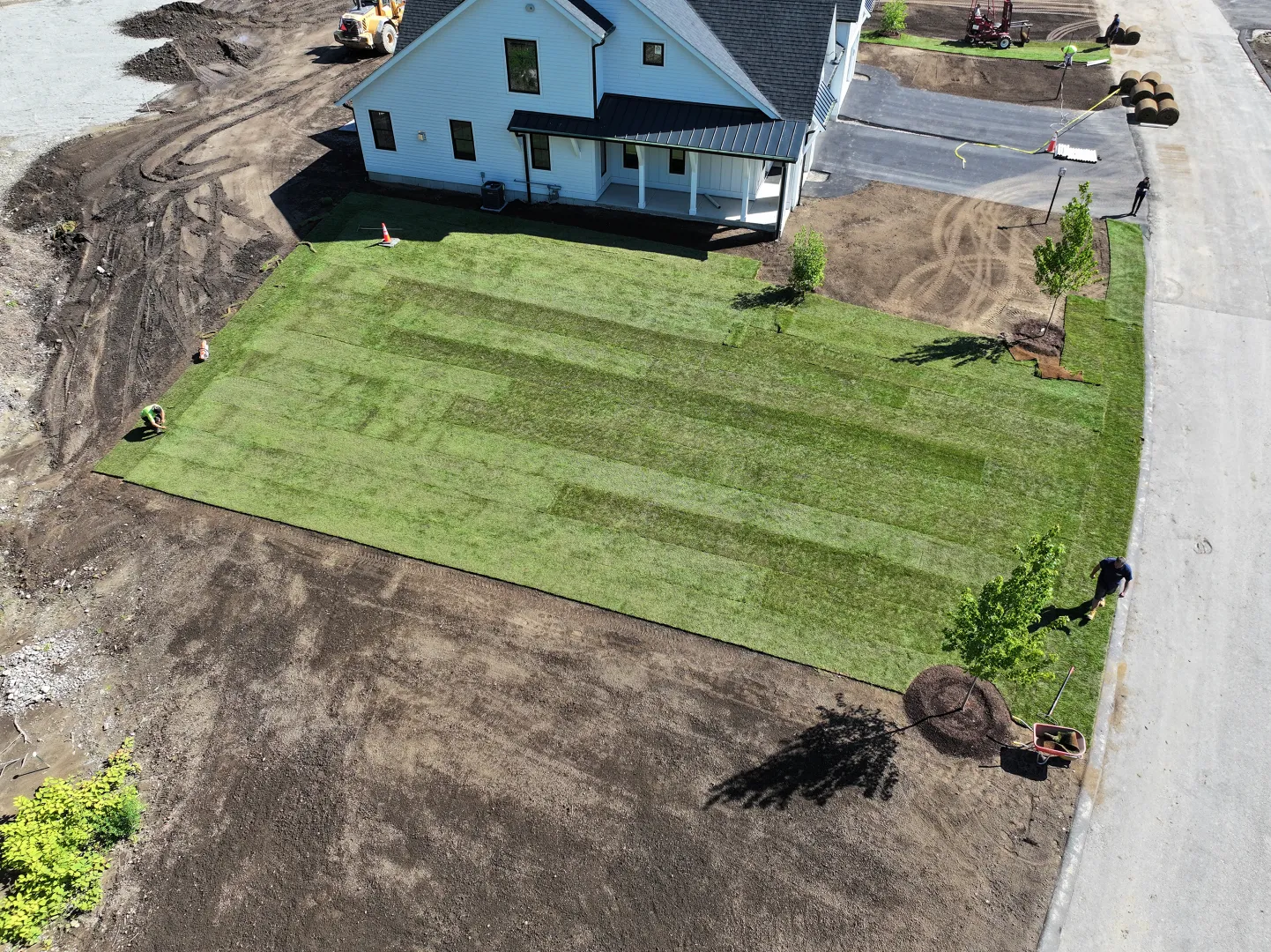
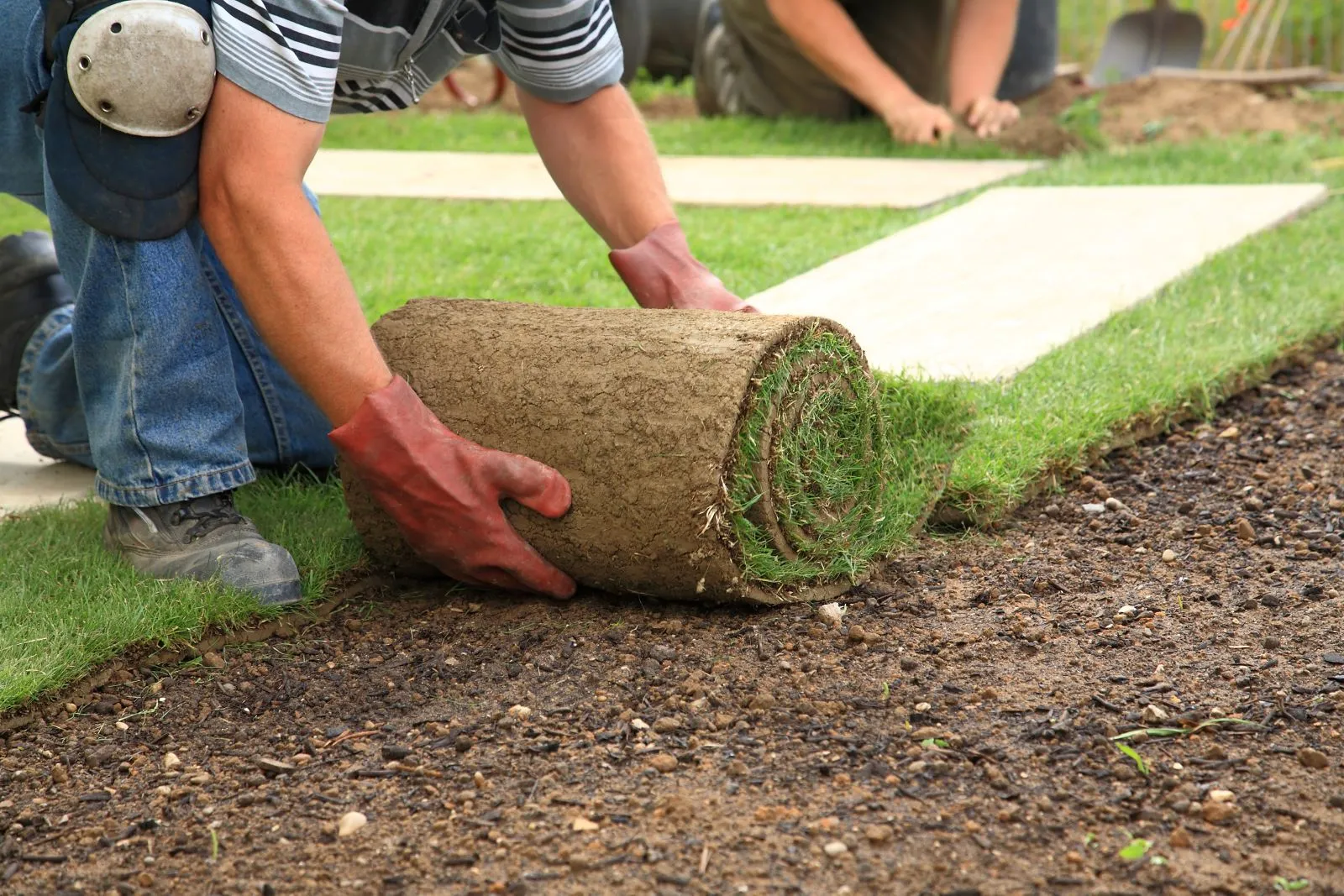
Sod means laying down pre-grown grass on prepared soil, and it gives you instant results, turning bare dirt into a lush lawn practically overnight. We love sod for two big reasons: it establishes fast and it’s great at controlling erosion, holding soil in place during heavy rain or snowmelt. The trade-off is cost. Sod typically runs $0.90 to $1.80 per square foot, which can be a stretch for budget-conscious homeowners. It also needs regular watering and fertilizing to really take hold.
2. Seed Installation (Traditional Seeding)
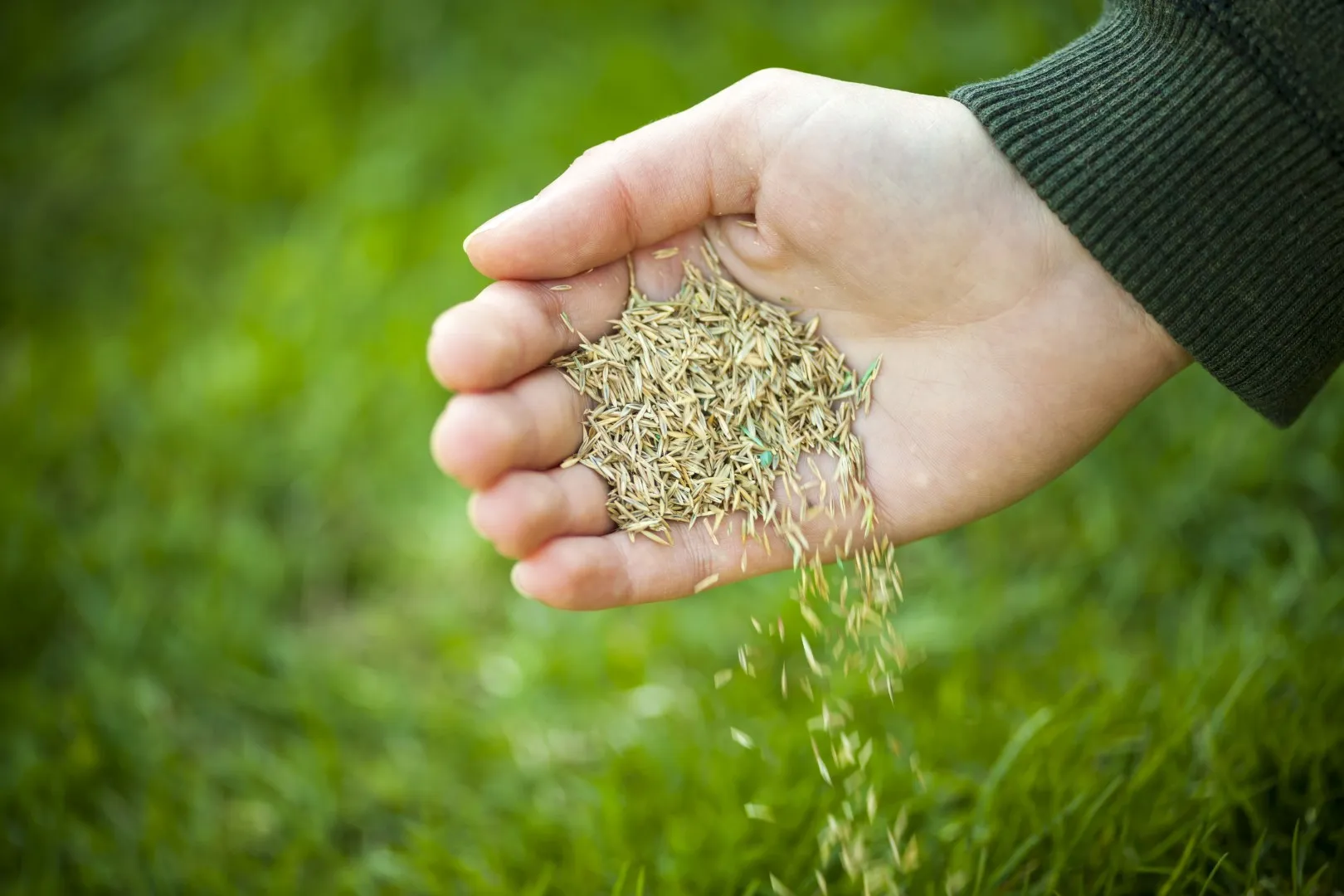
Traditional seeding means sowing grass seed straight into the soil, and it’s a great pick if you’re watching your budget. It typically costs about $0.12 to $0.25 per square foot, making it the most affordable option by far. The catch is patience: it takes weeks for seed to germinate and fill in as a dense lawn, and young seedlings need extra TLC to fend off weeds while they get established.
3. Hydroseeding
Hydroseeding is a modern approach that mixes grass seed, mulch, and fertilizer into a slurry we spray directly onto your soil. We like it because it germinates fast, with grass typically sprouting within 7 to 12 days. Cost-wise, it lands right between sod and traditional seeding, and we can customize the seed blend to match your yard’s exact conditions for a stronger start. Like any new lawn, it needs consistent moisture in those first few weeks to really thrive.
Research backs up why hydroseeding works so well.
Benefits and Factors Affecting Hydroseeding Success According to the research now in publication, hydromulch can prevent weed growth, lower soil-water evaporation, alter soil temperature, prevent soil erosion, and promote crop establishment and yield. However, feedstock, formulation, thickness, application rate, environmental factors, crop type, and weed spectrum all affect how successful it is. HYDROMULCH: A SPRAYABLE BIODEGRADABLE MULCHING TECHNOLOGY FOR SUSTAINABLE CROP PRODUCTION, 2026
Factors to Consider When Choosing the Best Method
When you’re picking your lawn installation method, here’s what we’d encourage you to think through:
Budget Considerations: Weigh the upfront cost against ongoing maintenance for each method.
Timeframe for Results: How soon do you want a finished lawn? Sod gives you instant results, while hydroseeding and seeding ask for a little patience.
Site Conditions: Your soil type, drainage, and sunlight all play a role in which method will work best for your yard.
We’re happy to walk you through your options and put together a personalized quote — just reach out to “Groundhog Landscaping Inc.”. We know New Hampshire lawns, and we’re here to help you make the right call.
Specific Considerations for New Hampshire’s Climate and Soil Conditions
New Hampshire’s climate can be a lot to work with — humidity, temperature swings, and varying soil types all affect how grass grows here. That’s why we typically recommend grasses like Kentucky Bluegrass, Perennial Ryegrass, and Fine Fescue, since they handle our conditions well. Picking the right grass from the start makes a big difference in how strong and resilient your lawn will be.
What Makes Hydroseeding a Smart Choice for New Hampshire Lawns?
We think hydroseeding is a great fit for New Hampshire yards. Beyond how quickly it establishes, the mulch layer helps control erosion by protecting the seed while it takes root. We can also customize the seed blend to match your soil, which supports a more sustainable, resilient lawn long-term.
What Are the Benefits of Hydroseeding for New Hampshire’s Climate?
Hydroseeding holds up well in New Hampshire’s climate. It helps grass resist drought by locking in moisture even during dry stretches, and we can include native seed varieties bred to handle our local weather.
Is Sod Installation the Right Fit for Your Lawn in New Hampshire?
If you want a lawn now, sod is hard to beat. It gives you instant green cover and helps control erosion right away, which makes it a great choice for new construction or any yard that needs to look finished fast. That said, the higher cost and maintenance needs might make hydroseeding or seed a better fit for some homeowners.
How Does Traditional Lawn Seeding Stack Up for New Hampshire Homeowners?
Traditional seeding is popular for good reason — it’s affordable and flexible. Just know you’ll need to be patient while the grass germinates and fills in, and you’ll want to stay on top of weeds during that early growth window.
What Are the Key Steps for Successful Seed Lawn Establishment in NH?
Here’s what it takes to get a seeded lawn off to a strong start in New Hampshire:
Soil Preparation: Start with well-aerated, nutrient-rich soil.
Grass Type Selection: Pick a seed variety suited to your yard’s specific conditions.
Watering Practices: Keep the soil consistently moist while the seed germinates.
Nail these steps and you’ll set your lawn up for healthy, long-term growth.
How Does Seed Lawn Maintenance Differ from Hydroseeding and Sod?
Maintenance looks different for each method. Seeded lawns need the most attention early on — regular watering and staying ahead of weeds. Sod needs less day-to-day attention once it’s established, but it does need careful watering right after installation. Hydroseeded lawns need light but consistent care during that fast initial growth phase, mainly keeping the soil moist so roots can take hold.
What Should You Know About Installation Costs and Maintenance in New Hampshire?
Knowing what you’re in for financially makes planning a lot easier. Here’s a quick breakdown covering installation, watering, and ongoing care:
Sod: $0.90 to $1.80 per square foot, with higher maintenance needs.
Seed: $0.10 to $0.25 per square foot, the most budget-friendly option but the slowest to establish.
Hydroseeding: Generally priced between sod and seed, with the bonus of a customizable blend and a fast establishment time.
How Do Hydroseeding, Sod, and Seed Compare in Costs for NH Lawns?
Here’s a side-by-side look to help you compare:
This breakdown shows how cost and effort stack up, so you can weigh what matters most for your lawn.
What Are Maintenance Requirements and Growth Timelines for Each Lawn Method?
Maintenance timelines vary quite a bit between methods, and that’s worth factoring into your decision. Sod needs watering right away and regular upkeep after that. Seed needs consistent, weekly watering, especially while it’s germinating, plus ongoing care. Hydroseeding establishes quickly but still needs us — or you — keeping an eye on moisture levels early on so the seed can thrive.
We hope this breakdown of hydroseeding, sod, and traditional seed helps you feel confident about your next lawn project. Whether you’re drawn to the instant gratification of sod or the customizable benefits of hydroseeding, we at “Groundhog Landscaping Inc.” are here to help make sure your decision is the right one for your yard and New Hampshire’s unique growing conditions.