groundhog landscaping inc, groundhog landscaping, groundhog landscape, services offered by groundhog landscaping, landscaper londonderry nh
Essential Landscaping Tools for DIY Projects
Understanding the essential tools for landscaping can empower homeowners to take on their own projects with confidence. From basic hand tools like shovels and rakes to more advanced equipment like tillers and lawnmowers, each tool serves a specific purpose in transforming outdoor spaces.
For instance, a quality shovel is crucial for digging holes for planting, while a garden rake helps in leveling soil and removing debris. Investing in the right tools not only makes the job easier but also enhances the quality of the work, ensuring that your landscaping efforts yield beautiful results.
Benefits of Native Plants in Landscaping
Incorporating native plants into your landscaping design offers numerous ecological and aesthetic benefits. Native plants are well-adapted to the local climate and soil conditions, making them easier to maintain and more resilient to pests and diseases.
Moreover, these plants support local wildlife, including pollinators like bees and butterflies, contributing to biodiversity. By choosing native species, homeowners can create a sustainable landscape that thrives with minimal intervention, while also showcasing the natural beauty of their region.
Landscaping Trends to Watch
Staying updated on the latest landscaping trends can inspire homeowners to refresh their outdoor spaces. Current trends include the use of sustainable practices, such as xeriscaping, which conserves water by using drought-resistant plants, and the integration of smart technology for irrigation systems.
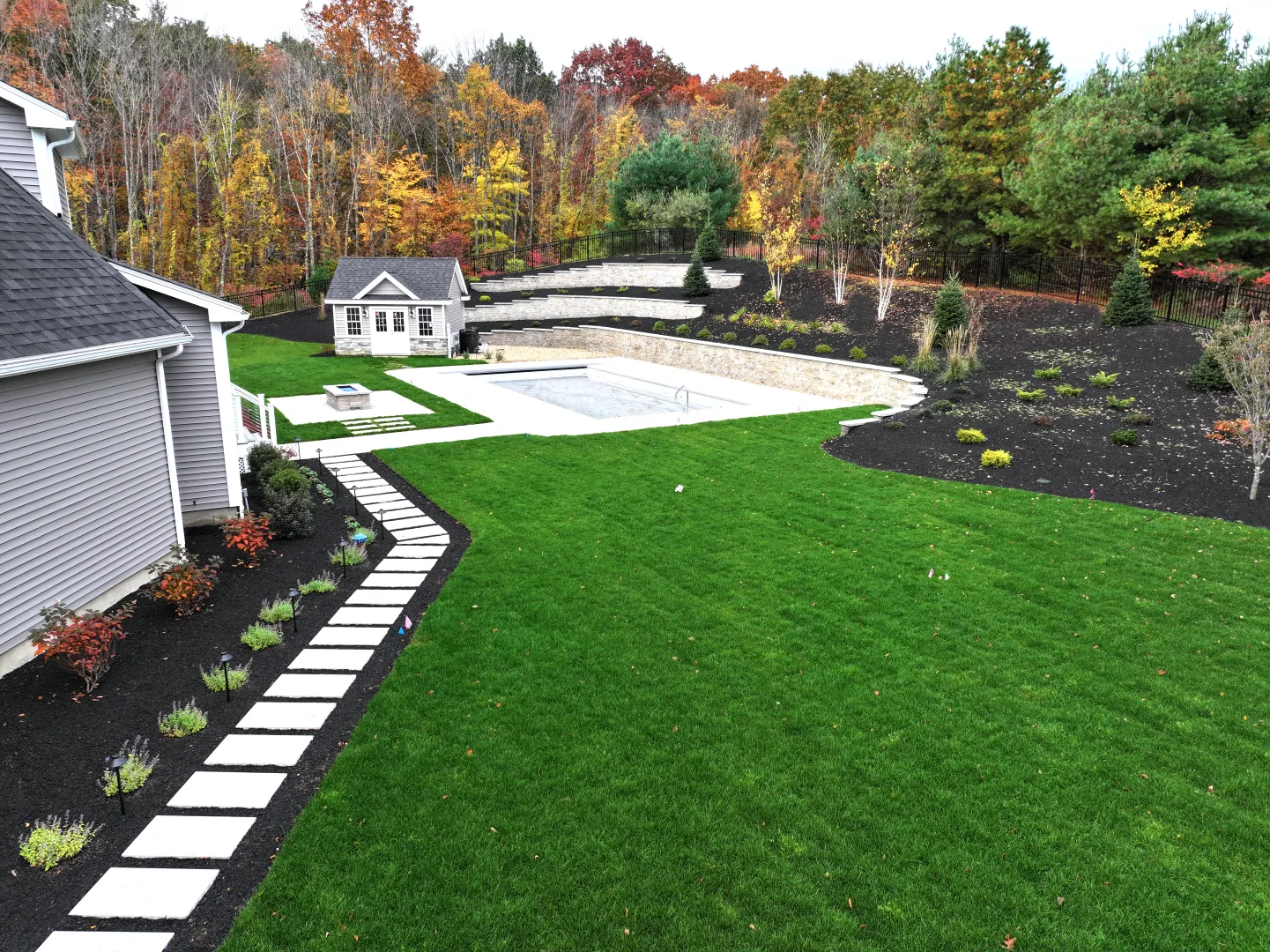
Additionally, outdoor living spaces are becoming increasingly popular, with features like fire pits, outdoor kitchens, and comfortable seating areas that extend the living space beyond the home. Embracing these trends can enhance both the functionality and aesthetic appeal of your landscape.
How to Choose the Right Landscape Design Style
Selecting the appropriate landscape design style is crucial for creating a cohesive outdoor environment that reflects personal taste and complements the architecture of your home. Common styles include modern, traditional, cottage, and xeriscape, each offering unique elements and characteristics.
For example, modern landscapes often feature clean lines and minimalist plantings, while cottage gardens are characterized by a more whimsical and abundant planting scheme. Understanding the various styles can help homeowners make informed decisions that enhance their property's curb appeal and overall enjoyment.