

As the leaves start turning across New Hampshire, we think it’s the perfect time to talk about hydroseeding your lawn. In this guide, we’ll walk you through why September works so well, what makes fall hydroseeding worth it, and how New Hampshire’s climate sets your grass seed up for success. If you’re a homeowner or property manager getting ready for winter, this is exactly what you need to know to grow a lush, healthy lawn.
We’ll cover the climate factors at play, the real benefits of hydroseeding in the fall, how to prepare and water your new lawn, and which grass seed we’d recommend. By the time you’re done reading, you’ll have everything you need to make a smart call about your lawn this autumn.
Why September Is Ideal for Hydroseeding in New Hampshire’s Fall Season
We love September for hydroseeding because New Hampshire’s climate just works in your favor. Cooler temperatures start to slow down weeds, so your new grass seed doesn’t have to fight for space. At the same time, the soil is still warm enough to get strong roots going, while the cooler air keeps the grass itself happy above ground.
September also tends to bring more rain, which gives your new lawn a natural boost of water without you having to do all the work yourself. Put it all together, and you’ve got about the best environment we could ask for to help hydroseed take root and turn into a healthy lawn.
How Does NH’s Climate Affect Hydroseeding Success in Early Fall?
New Hampshire’s early fall weather has a direct hand in how well your hydroseeding turns out. Cooler air helps grass grow strong, and the extra rain we typically see this time of year gives seeds exactly what they need to germinate.
Soil also tends to hold more moisture than it does during the dry heat of summer, which just makes everything easier for a newly hydroseeded lawn. That’s why we usually see better results when clients hydroseed during this stretch of the year instead of waiting.
What Are the Benefits of Hydroseeding Your Lawn in the Fall?
There’s a reason we recommend fall hydroseeding to so many of our clients. Here’s what you get:
- Stronger Grass Establishment: Grass seed has a great shot at taking hold within about six weeks, giving it a solid base before winter arrives.
- Better Moisture Retention: Fall’s natural rainfall helps keep young seedlings watered during those critical early weeks.
- Less Weed Competition: Cooler temperatures mean fewer weeds trying to crowd out your new grass.
If this sounds like something you’d like help with, we’re here for it. At Groundhog Landscaping, hydroseeding is one of the services we do best for homeowners and property managers all across New Hampshire, and we tailor our approach to what your lawn actually needs.
How Does Fall Hydroseeding Improve Root Establishment Before Winter?
Fall hydroseeding gives roots a real head start before winter sets in. Cooler temperatures help seeds sprout quickly, and the soil is often at just the right temperature for roots to grow deep and strong.
Because you’re seeding in the fall, your new grass also skips the fight against the annual weeds that usually take over in warmer months. That combination means your lawn goes into winter better prepared to handle whatever the season throws at it.
Why Choose Hydroseeding Over Traditional Seeding?
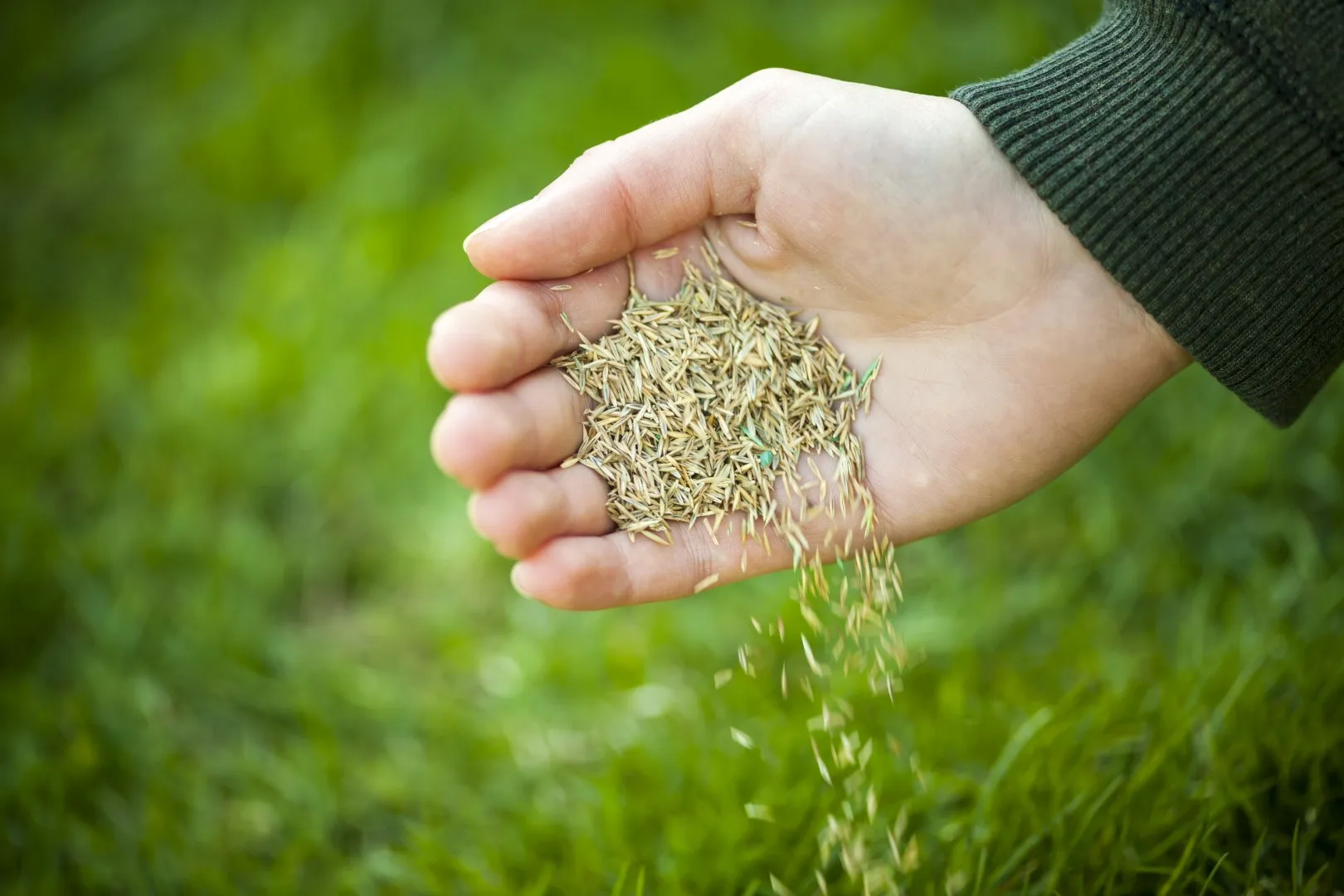
We recommend hydroseeding over traditional seeding for a few good reasons. It simply establishes grass faster, and it holds up better against erosion since the mix of seed, mulch, and water sticks together and stays put through wind and rain.
Hydroseeding also lets us customize the seed blend to fit your specific lawn, which isn’t always possible with traditional seeding. That means we can choose grass varieties built for New Hampshire’s climate and soil, giving you a lawn care solution made for your yard, not a one-size-fits-all approach.
How Should You Prepare and Water Your Hydroseeded Lawn in NH This Fall?
Getting your hydroseeded lawn off to a good start comes down to a few key steps:
- Prep the Soil: Make sure the soil is aerated and cleared of debris. A well-prepped seedbed helps the seed make good contact with the ground.
- Water It In: Give the area a light watering right after we apply the hydroseed mix so it settles in and bonds with the soil.
- Stay Consistent: Keep up with regular watering to give the seed the moisture it needs to germinate and take hold.
Get these steps right, and your new lawn will have everything it needs to thrive through fall and beyond.
What Is the Best Watering Schedule for Hydroseed in September?
Watering right makes all the difference for hydroseeded lawns in September. For that first week or so, we recommend light watering at least twice a day to keep the area consistently moist.
Once you start seeing the grass come in, you can ease back to watering once a day. Aim for about an inch of water a week total, adjusting based on rainfall and temperature. Keeping an eye on soil moisture along the way will help you strike the right balance and grow healthier grass.
Which Grass Seed Varieties and Fertilizers Work Best for Fall Hydroseeding in New Hampshire?
Picking the right grass seed is a big part of getting great results from fall hydroseeding. We usually recommend a mix of fescue and bluegrass since both handle New Hampshire’s climate really well.
Fertilizer matters too. We suggest fertilizing early in the fall with a slow-release formula that feeds the grass steadily over time, supporting healthy growth right through the season.
A Trusted Resource on Choosing Grass Seed
Don’t just take our word for it — the University of New Hampshire Cooperative Extension has put together a helpful resource on choosing the right seed for a home lawn. It backs up a lot of what we see out in the field: matching seed varieties like fescue and bluegrass to your soil, sunlight, and how the lawn actually gets used makes a real difference in how well it establishes and holds up over the seasons.
What Are the Top Grass Seed Options for NH Fall Lawn Seeding?
When we hydroseed lawns in New Hampshire this time of year, we like to blend these grass types together:
- Perennial Ryegrass: Germinates quickly and gives you fast cover.
- Kentucky Bluegrass: Built for northern climates and fills in thick and dense.
- Tall Fescue: Handles heat and drought well, so it’s versatile year-round.
Blending these grasses together gives you a lawn that can stand up to whatever New Hampshire weather throws at it throughout the year.
How Does Fertilizer Support Your Lawn After Fall Hydroseeding?
Fertilizer plays a big role in how well your lawn holds up after fall hydroseeding. Getting the timing right means your new grass gets the nutrients it needs to grow strong roots and healthy blades.
We recommend using a balanced fertilizer soon after hydroseeding to support root development and overall plant health. Fall formulas that are higher in phosphorus are especially good for building strong roots before winter, which sets you up for a greener, healthier lawn come spring.