
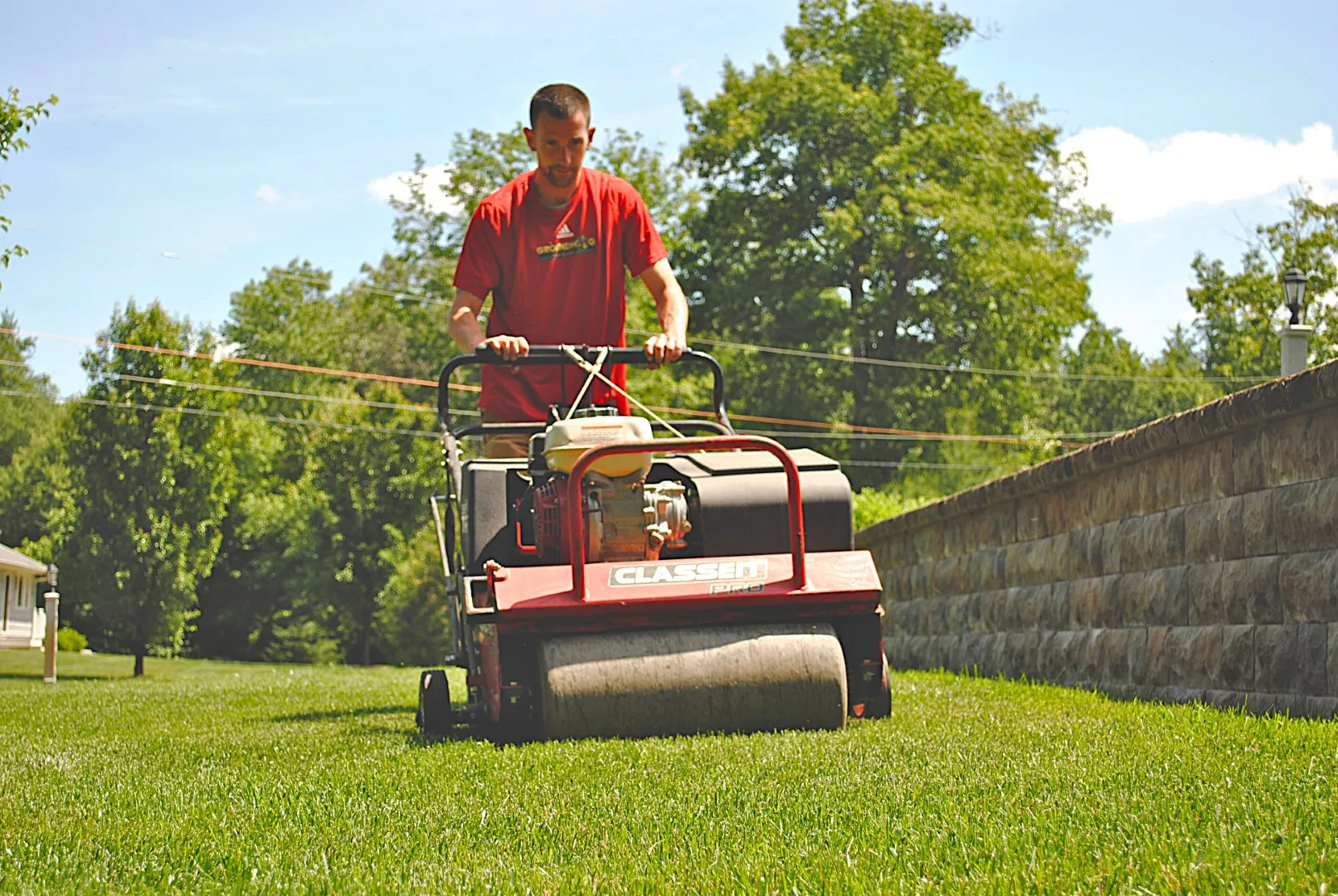
As summer fades and the first hints of fall roll in, we think it’s the perfect moment to talk about lawn care here in New Hampshire. September is hands-down our favorite window for lawn aeration and overseeding — two simple steps that make a huge difference in how lush and resilient your lawn looks. In this article, we’ll walk you through why September works so well, the real benefits of aeration, and how overseeding helps thicken up your lawn. It’s everything you need to know to keep your grass healthy through the seasons ahead.
We’ll cover the weather factors that make timing so important, the many benefits of core aeration, and the techniques we use for successful overseeding. Whether you’re a homeowner or manage a property, this is the stuff that helps you get the most out of your lawn.
What Makes September Ideal for Lawn Aeration in New Hampshire?
September brings that sweet spot of cooler temperatures and just the right amount of moisture, which makes it a great time for us to aerate your lawn. These conditions set the stage for grass to bounce back quickly and grow strong, which is exactly why we recommend this month for lawn health. Aerating now means less stress on your grass and a much better response once the growing season kicks back in.
How Does New Hampshire’s Climate Affect Aeration Timing?
New Hampshire’s cooler fall weather plays a big role in when we schedule aeration. Cooler temperatures ease the heat stress on your grass, so it recovers faster from the mechanical work aeration involves. We also like to see good soil moisture beforehand — it helps the whole process go smoothly and gives your lawn the best shot at bouncing back strong.
Why Is Fall Aeration Better Than Other Seasons?
We find fall aeration beats out other seasons for a few good reasons. In spring, lawns are often fighting off weeds and dealing with unpredictable weather, and summer heat can make recovery tough. Fall, on the other hand, gives your grass cooler temperatures to recover in, and it lines up naturally with the growth cycle of the cool-season grasses we see most often here in New Hampshire — so you get a lush, green lawn before winter sets in.
What Are the Core Aeration Benefits for New Hampshire Lawns?
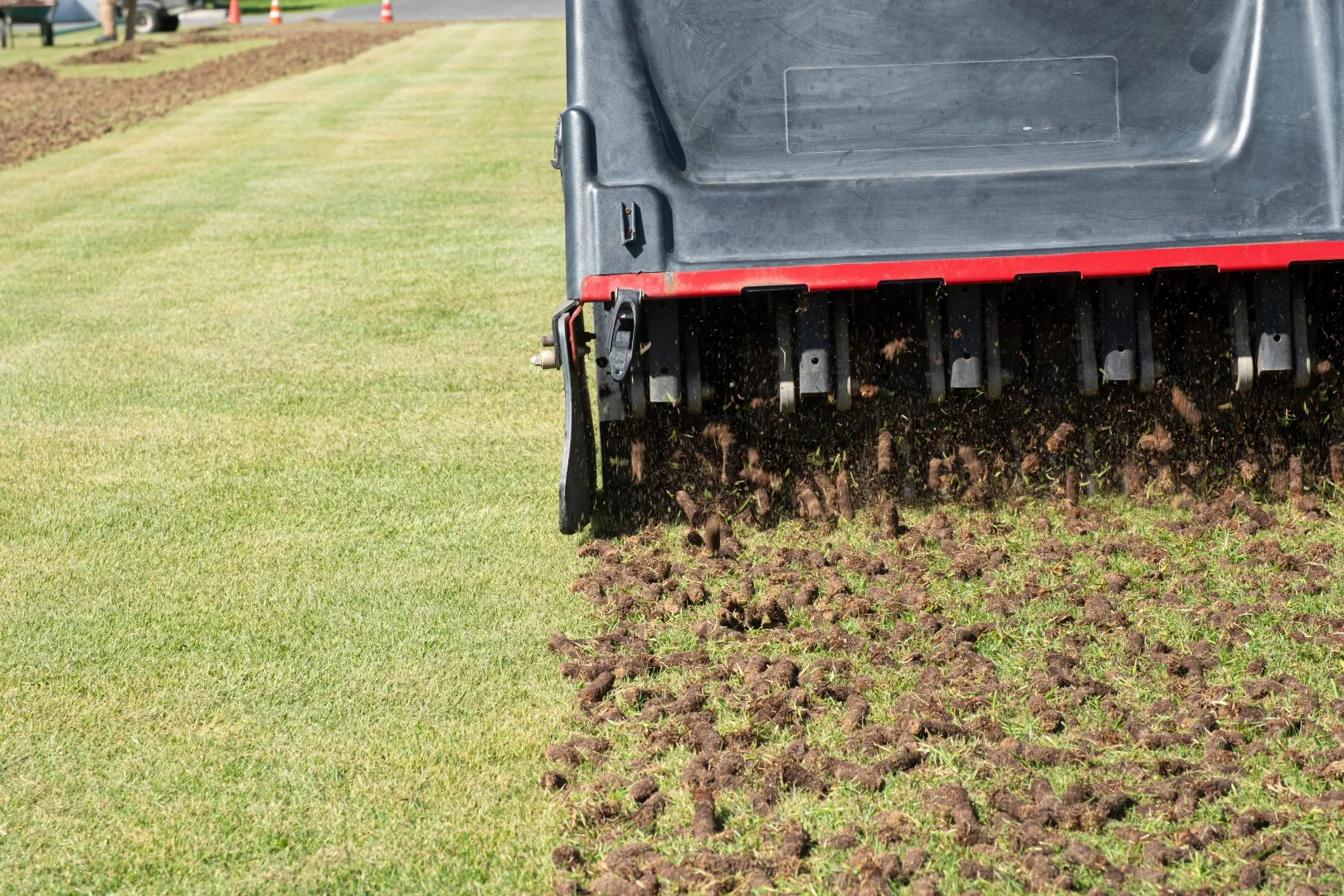
Core aeration does wonders for New Hampshire lawns — it’s one of our go-to services because of how much it improves soil quality and overall lawn health. It loosens up compacted soil, helps roots take in more nutrients, and gets beneficial microbes moving in the soil. The payoff? A lawn that stands up better to drought and disease, and just looks better overall.
How Does Core Aeration Improve Soil Health?
Core aeration opens up channels that let air, nutrients, and water reach deeper into the soil. That means better air circulation and roots that actually get the nutrients they need to grow strong. Breaking up compacted soil also gives roots the room they need to spread out, which builds a solid foundation for healthy grass.
What Lawn Recovery Can You Expect After Aeration?
After we aerate your lawn, you can expect to start seeing results within a few weeks. Look for greener, denser grass and an overall healthier appearance. Most lawns take about 2 to 4 weeks to fully recover, depending on the weather and the type of grass you have.
How Does Overseeding Boost Lawn Density?
Overseeding in September doesn’t just thicken up your lawn — it also introduces hardier grass varieties built for New Hampshire’s climate. This helps your lawn fight off disease and handle environmental stress better. By adding fresh seed into your existing turf, we help you get a fuller, healthier-looking lawn.
What Types of Seeds Work Best for New Hampshire Lawns?
When we pick seeds for overseeding, we look for grass types that thrive in New Hampshire’s climate. Kentucky Bluegrass and Perennial Ryegrass are two of our favorites. Kentucky Bluegrass brings that rich emerald color and holds up well over time, while Perennial Ryegrass germinates fast, so it covers bare patches quickly. Mixing the two gives you a well-rounded lawn that performs well all season long.
How Does Overseeding Complement Core Aeration?
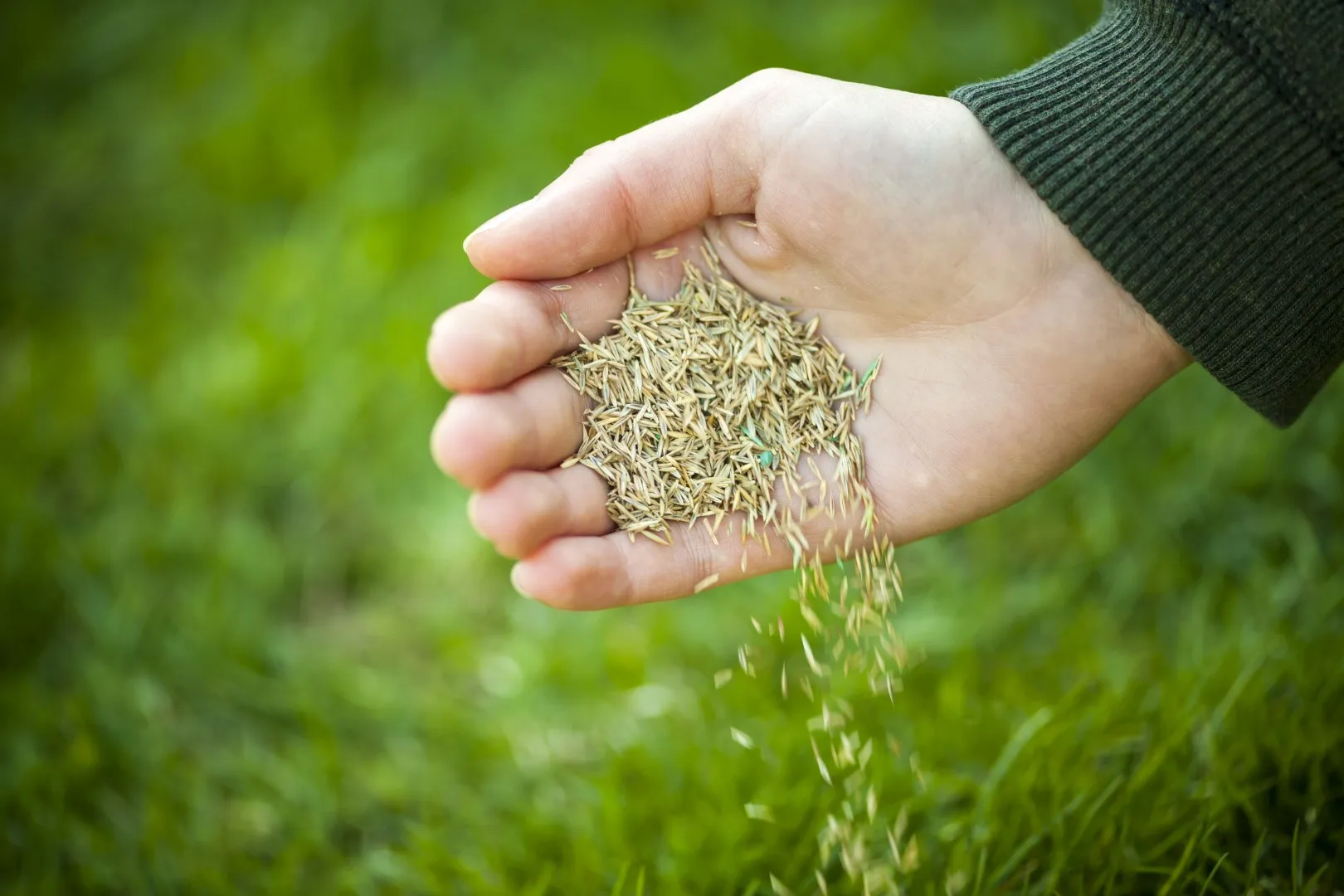
Overseeding and core aeration go hand in hand. After we aerate, the holes we create give seeds the perfect little pockets to settle into, which boosts germination. We always aerate before overseeding — it gives new grass the best possible chance to take root and thrive.
What Should Homeowners and Property Managers Know About Fall Lawn Care?
If you’re in , southern NH, knowing the ins and outs of fall lawn care can really pay off. Timing matters a lot, so we recommend scheduling aeration and overseeding sometime in September to take full advantage of the conditions. After that, keeping up with regular watering and fertilizing will help your lawn stay healthy right through autumn.
Which Fall Lawn Care Services Help Maintain Healthy Lawns?
Here are a few services we offer to keep your lawn healthy this fall:
Core Aeration: Loosens compacted soil and helps your grass take in more nutrients.
Overseeding Services: Adds new grass varieties for a thicker, fuller lawn.
Fertilization: Gives your grass the nutrients it needs to stay strong through fall and winter.
These services work together to get your lawn ready for winter, so it comes back looking its best come spring.
How Can You Schedule Core Aeration and Overseeding with Groundhog Landscaping Inc.?
Ready to get started? Give us a call at (603) 437-4464 to schedule your core aeration and overseeding. We’re located at 6 Bowers Rd., Derry, NH 03038, and we specialize in lawn care and landscaping services designed to keep New Hampshire lawns healthy and looking great all year round.