
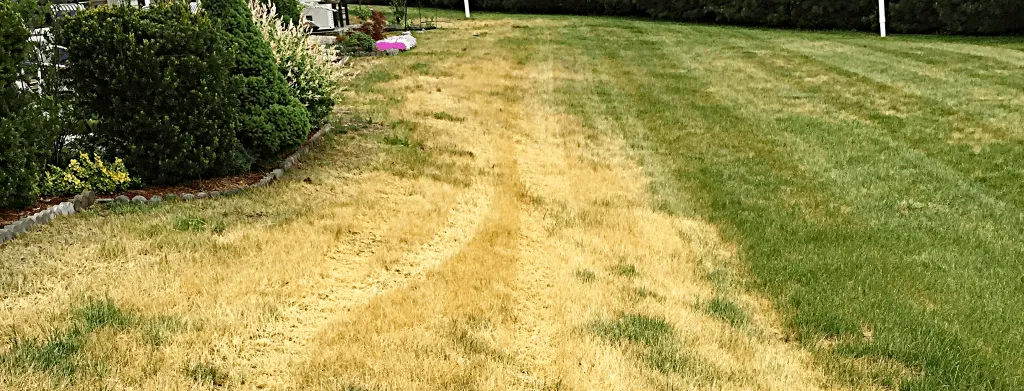
Maintaining a lush, vibrant lawn can be challenging, especially when you’re dealing with dry spots caused by your sprinkler system. These uneven patches don’t just look bad — they can hurt the health of your grass and plants too. Understanding why dry spots show up and how to fix them is something every homeowner should know. In this guide, we’ll walk you through the common causes and how to troubleshoot your sprinkler system so it runs efficiently. We’ll also cover practical repairs and maintenance tips to keep those dry spots from coming back. We’re Groundhog Landscaping, and irrigation troubleshooting and repair is one of the things we do best for homeowners across New Hampshire.
Reasons for Dry Spots
Dry spots in your lawn usually come from irrigation issues that are easy to miss at first glance. Knowing what causes them is the first step toward getting your yard looking even and healthy again.
Wind is a bigger culprit than most people realize — it can push water off course, leaving some patches soaked while others barely get a drink.
Improper coverage: Misaligned sprinkler heads can leave certain areas under-watered while others may receive more than enough.
Debris buildup: Over time, dirt, leaves, or other debris can clog sprinkler heads, restricting water flow and causing uneven distribution.
Soil compaction: Compacted soil inhibits water absorption, making it challenging for grass roots to get the hydration needed to thrive.
Spotting these common problems is the first step toward troubleshooting your sprinkler system successfully.
Troubleshooting Methods
Finding the right fix for your sprinkler issues starts with a little hands-on troubleshooting. Here are the key steps to figure out what’s going on:
Check sprinkler alignment: Ensure that sprinkler heads are properly positioned to cover intended areas without any obstruction.
Inspect for clogs: Clean sprinkler heads of any visible debris and flush the system to clear any pipeline blockages.
Adjust watering schedule: Modify your watering schedule based on climate conditions to ensure optimal water availability during dry periods.
Working through these steps will usually help you pin down what’s causing the dry spots in your lawn. And if the problem sticks around, we’re always happy to lend a hand with a repair tailored to your yard.
How to Fix Common Sprinkler and Dry Spot Issues
Once you’ve figured out what’s going wrong with your irrigation system, the right repairs will get your lawn back on track.
Realign sprinkler heads: Adjust your sprinkler heads to optimize coverage and eliminate dry areas.
Replace clogged or broken parts: Identify malfunctioning components, such as damaged rotor heads or valves, and replace them promptly.
Aerate the soil: Aeration allows water to penetrate deeper, improving absorption and helping to alleviate compaction.
Taking care of these repairs addresses the root causes behind a struggling sprinkler system.
Maintenance Tips
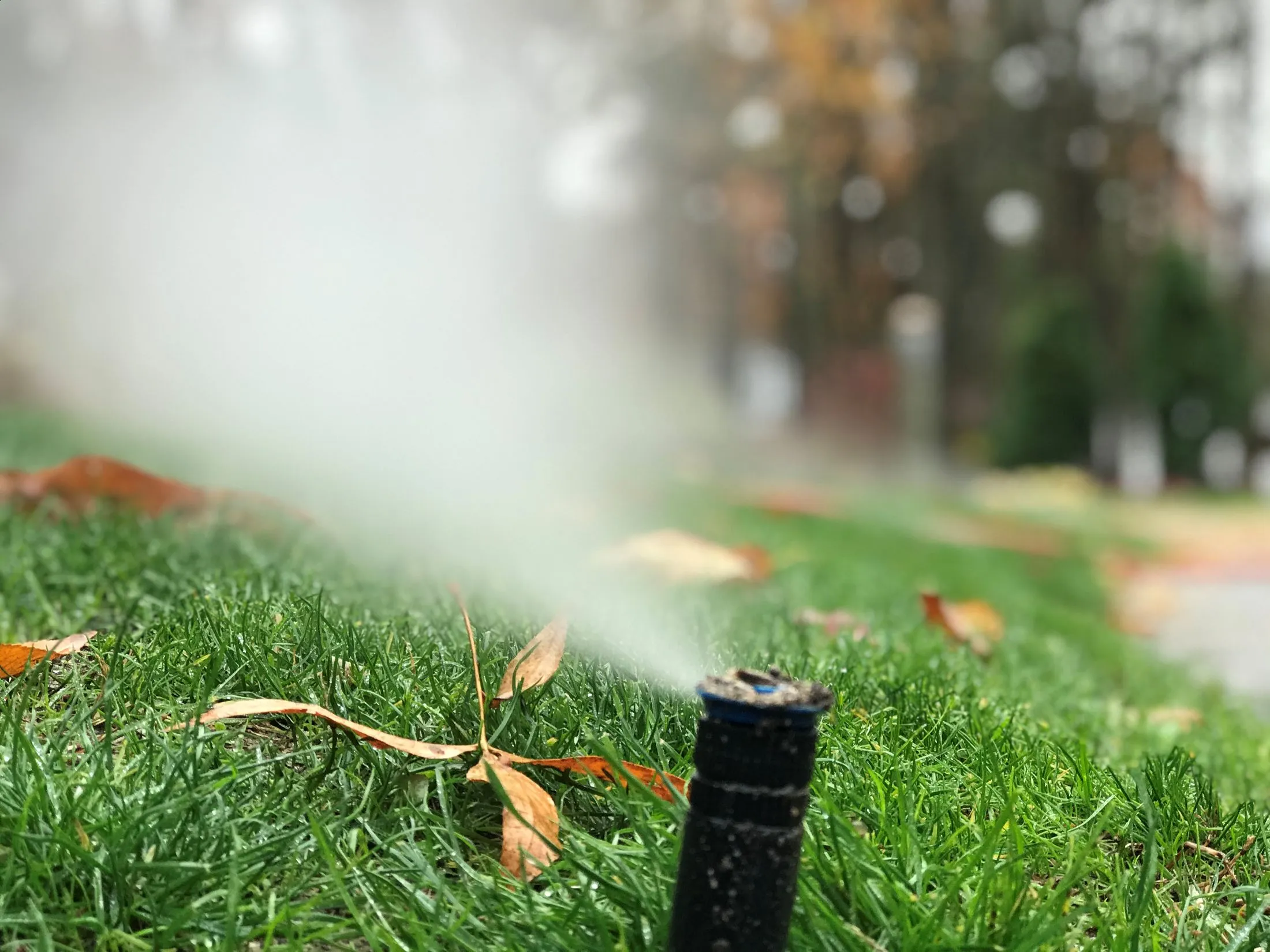
A little preventative maintenance goes a long way toward keeping your sprinkler system running well and keeping those dry spots from returning.
Perform regular inspections: Check your sprinkler system every few months to ensure all components are functioning properly.
Winterize your system: Prepare your system for cold months by draining pipes and insulating key components to prevent damage.
Consider smart controllers: These devices adjust watering schedules based on weather conditions and soil moisture, ensuring efficient irrigation.
Stay on top of these steps and you’ll save time and money while keeping your lawn healthier overall.
Common Causes of Dry Spots
Dry spots can also crop up from factors that are a bit outside your control. Knowing what these are can give you a fuller picture of what your lawn is up against.
In our experience, most irrigation headaches trace back to everyday maintenance that got put off for too long.
Seasonal changes: Changes in temperature or rainfall patterns may affect the water needs of various plants and turf, leading to dry patches.
Miscellaneous sprinkler malfunctions: Unforeseen issues such as leaks, inefficient sprinkler designs, or aging components can also lead to inadequate watering.
Keeping these outside factors in mind helps you build a watering strategy that actually fits your lawn’s needs.
Effective Irrigation Solutions
A comprehensive approach to irrigation management can make a real difference in water efficiency and lawn health.
Regularly update your watering schedule: Adjusting your irrigation schedule in response to seasonal weather changes can optimize moisture levels.
Implement smart irrigation technology: Devices that monitor soil moisture can ensure efficient watering and prevent over-application, thereby conserving water.
Consult with professionals: For complex irrigation needs or when issues pop up, we’re always glad to take a look at your system and recommend the right improvements.
Put these irrigation habits into practice and you’ll see better water management and a lawn that stays lush and healthy.
Steps to Diagnose Sprinkler Problems
Diagnosing sprinkler issues doesn’t have to be complicated. Here are a few simple steps you can take:
Turn on the system: Observe how well each sprinkler head is functioning and whether any areas are left unwetted.
Walk the area: Look for patterns of dry spots and assess whether they correspond to physical obstructions or faulty sprinkler heads.
Check pressure: Measuring water pressure can reveal problems with the system that may not be visibly apparent.
Work through these steps methodically and diagnosing the problem becomes a lot more straightforward.
Seasonal Inspection Importance
Regular seasonal check-ups on your irrigation system can catch small problems before they turn into big ones — or waste a lot of water.
Timing: Inspect your system at the beginning of each season to ensure that it’s prepared to handle temperature fluctuations and varying moisture levels.
Check for wear and tear: Look for any signs of damage that may have occurred over the previous season and rectify them promptly.
Review sprinkler placement: As landscaping changes, reassessing the positioning of sprinkler heads can help maintain even coverage.
Staying on top of these inspections keeps your lawn healthier and helps your irrigation system last longer.