
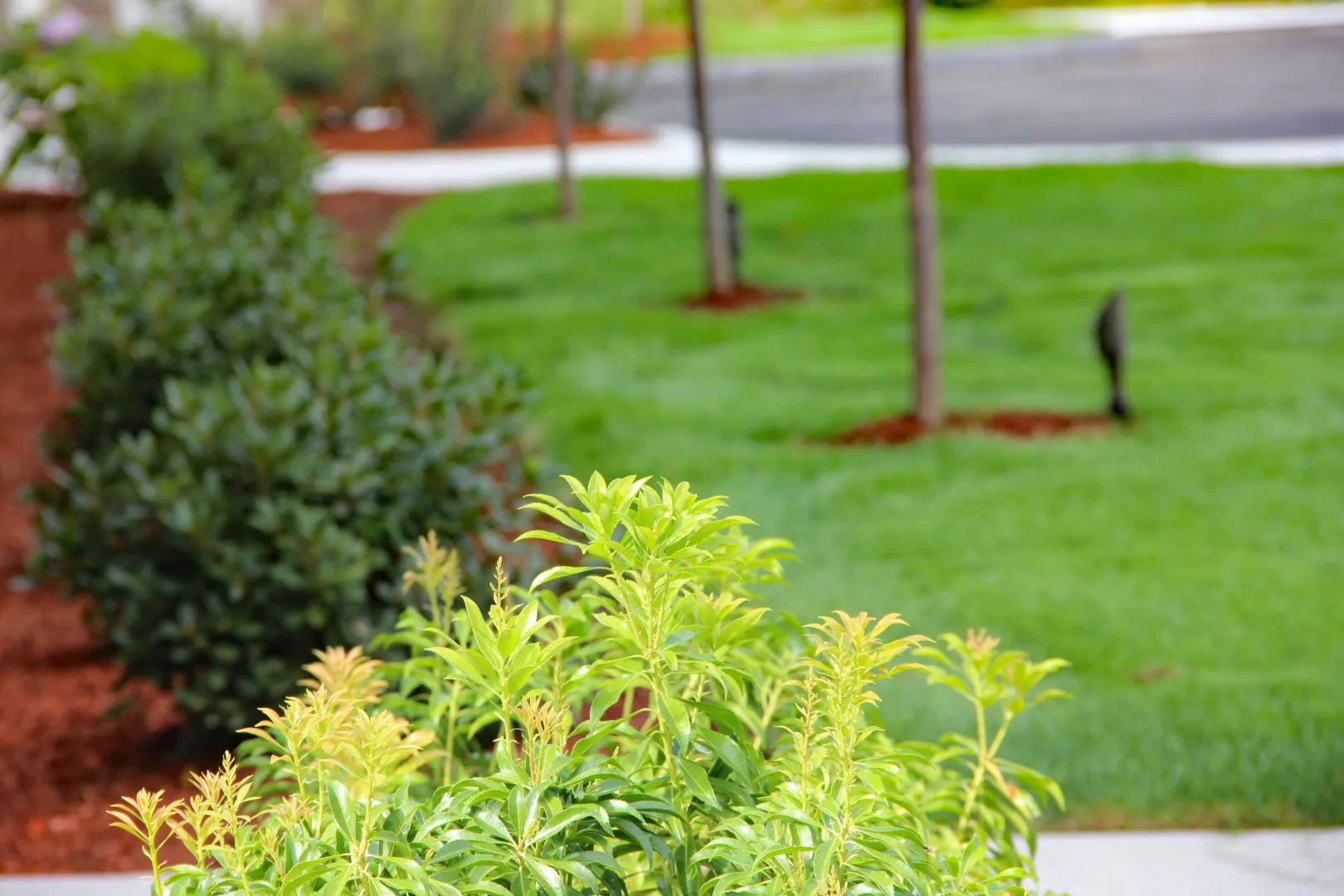
October is the ideal month for New Hampshire planting, since soil temperatures stay warm while air cools. Groundhog Landscaping Inc. recommends trees like maples and oaks, shrubs such as viburnum, and perennials including hostas and daylilies, giving roots six weeks to establish before winter dormancy sets in.
Trees, shrubs, and perennials thrive when planted in October, giving roots weeks to establish before New Hampshire’s first frost. September through October also suits spring-blooming bulbs like daffodils, tulips, and crocus, cooler air and warm soil reduce transplant stress compared to spring planting.
Key Takeaways
October planting gives roots time to establish before winter arrives in New Hampshire.
Fall soil stays warm while air cools, reducing transplant stress on new plants.
September through October is ideal for planting spring-blooming bulbs like daffodils and tulips.
Cool fall temperatures and moisture create perfect conditions for trees, shrubs, and perennials.
Why Is Fall the Best Time to Plant in New Hampshire?
Cooler weather and steady moisture make autumn the most dependable season for fall planting New Hampshire homeowners can count on. Spring often looks appealing because a full growing season stretches ahead, but New Hampshire spring weather rarely cooperates. Late snow, sudden downpours, or a quick jump to summer heat can shock new plantings before roots ever settle in.
Fall skips that gamble. Cooler air temperatures slow water loss through plant leaves, a process called transpiration. New trees and shrubs face far less stress than they would during a hot New Hampshire summer. That’s a big reason [planting trees and shrubs in fall](https://groundhognh.com/?p=70118) consistently produces stronger, more resilient landscapes.
Does an expert agree fall beats spring for planting?
Yes. Emma Erler, lead horticulturist at Kirkwood Gardens and host of Homegrown NH, points out that fall actually outperforms spring for establishing trees and shrubs, even though gardeners tend to get more excited about spring projects.
Do roots keep growing after leaves stop?
They do. Once air temperature drops below soil temperature, top growth pauses. Roots keep developing underground until the soil turns too cold to support growth. That extended root-building window is a major advantage of fall landscaping NH properties benefit from year after year.
For anyone weighing which trees to plant in New Hampshireor which shrubs to plant in fall, this season offers the calmer, more forgiving start every landscape needs.
Which Trees and Shrubs Should You Plant This October?
October delivers the right conditions for fall planting New Hampshire yards. Roots start forming below ground before the freeze sets in. That head start matters. A tree planted now spends the winter quietly building a root system. It’s ready to grow the moment spring arrives instead of struggling to catch up.
Planting trees and shrubs in fall works because New Hampshire’s cooler air asks less of a new transplant than a hot July afternoon does. Less stress up top means more energy goes toward the roots below. That’s the whole advantage in a nutshell.
What’s the best way to plant a tree or shrub this fall?
Start by removing any burlap, wire, or plastic coverings wrapped around the root ball. Skipping this step traps roots and stunts growth long after the tree looks settled. Once the covering is off, set the plant at the proper depth and backfill with loosened soil.
Mulch comes next, and it earns its place. A layer of mulch around newly planted trees. Shrubs shields roots from temperature swings and locks in moisture through the winter ahead.
Which trees work best for a New Hampshire yard?
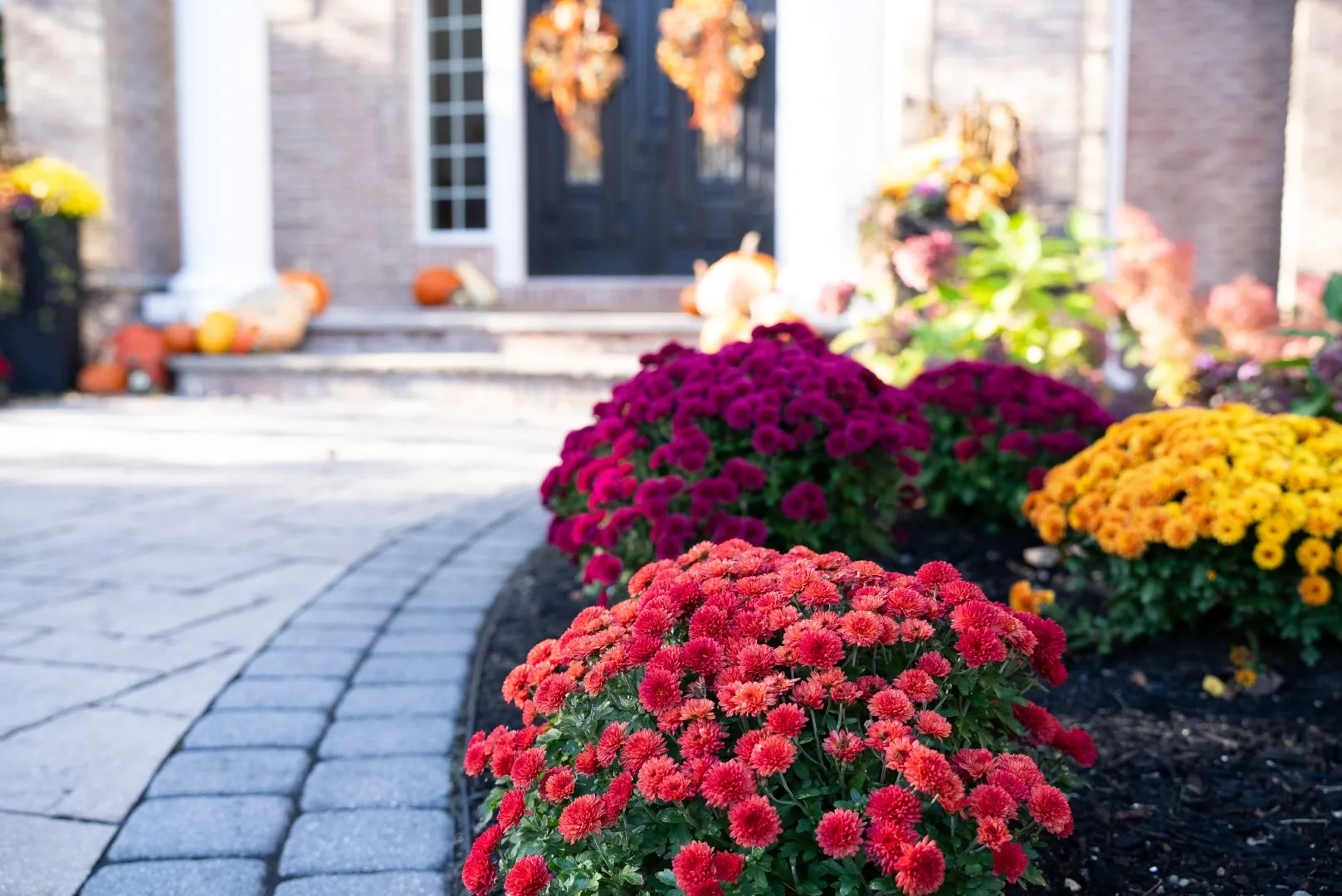
Picking the right trees to plant in New Hampshire starts with a simple question: what’s the goal?
Shade: A deciduous tree on the south or west side of the house blocks strong summer sun.
Windbreak: A hardy needled evergreen on the northeast side cuts winter wind and trims energy bills.
Privacy: Either type works, with deciduous trees offering faster growth.
That same thinking extends to shrubs to plant in fall. It’s a cornerstone of smart fall landscaping NH properties can count on for years to come.
How Should You Handle Perennials and New Plantings?
September marks prime time across New Hampshire for tucking spring-blooming bulbs into the ground. Daffodils, tulips, and crocus planted now reward homeowners with color the moment winter loosens its grip. That timing isn’t a coincidence; cooler soil and steady fall moisture give bulbs exactly what they need to settle in before frost locks everything down.
Why Does Fall Give New Plantings an Edge?
New trees and shrubs planted in autumn build stronger root systems before facing the stress of late spring snow or a scorching, dry summer. Roots keep growing even after leaves drop, using the cooler months to anchor themselves. That head start matters when July heat arrives and shallow-rooted plants struggle to keep up.
What About Privacy Plantings and Shade Trees?
Property managers looking for year-round screening often benefit from mixing evergreens with deciduous shade trees. Evergreens hold their needles through winter, while deciduous species grow faster and fill gaps sooner. Combining both approaches balances quick coverage with lasting privacy, a strategy worth considering before committing new plantings to New Hampshire soil this fall.
FAQ
Why is October ideal for fall planting in New Hampshire?
October gives roots weeks to establish before New Hampshire’s first frost. Warm soil paired with cooling air reduces transplant stress, creating ideal conditions for trees, shrubs, and perennials.
Why does fall outperform spring for establishing trees and shrubs?
Emma Erler of Kirkwood Gardens notes fall outperforms spring for establishing trees and shrubs. Cooler air slows transpiration, so new plantings face far less stress than during hot New Hampshire summers.
What should you remove before planting a tree or shrub?
Remove any burlap, wire, or plastic coverings wrapped around the root ball first. Skipping this step traps roots and stunts growth long after the tree appears settled.
Conclusion
In closing, fall planting in New Hampshire gives your landscape a genuine head start, those cooler temperatures and autumn moisture create ideal conditions for roots to establish before winter arrives. Whether you’re adding trees, shrubs, or perennials, October’s the sweet spot to get it done right. Your outdoor space will thank you come spring, rewarding your effort with healthier growth and a landscape that’s built to last. Get those plants in the ground now, and you’re setting yourself up for success.