
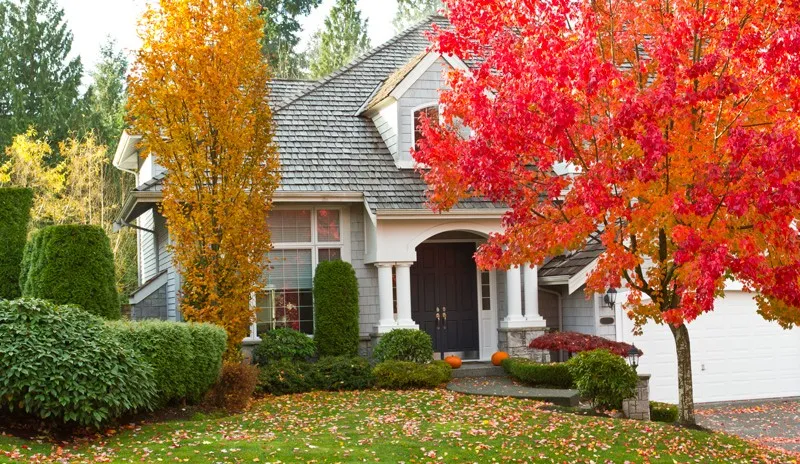
October in New Hampshire is prime time for transplanting trees and shrubs. Cooler temperatures let roots establish before winter dormancy without summer heat stress. UNH Extension notes fall planting avoids the scorched leaves and stunted growth spring transplants often face. Groundhog Landscaping’s crews handle plantings across southern New Hampshire, ensuring proper timing and technique for lasting results.
Key Takeaways
October transplanting works in New Hampshire’s USDA Zone 6a/6b between October 15 and December 1 during dormancy.
Fall planting gives trees and shrubs time to establish roots before spring growth begins in earnest.
Deciduous plants transplant successfully in fall, while certain deciduous trees require spring planting for optimal survival rates.
Spring weather delays like snow and excessive rainfall make fall transplanting more reliable than spring planting here.
Why Is October Prime Time for Transplanting in NH?
Cooler air makes October the smarter window for transplanting trees and shrubs across New Hampshire yards. Spring feels like the obvious choice, but spring weather here rarely cooperates. Late snow, heavy rain, and a sudden jump to summer heat put stress on new plantings before roots ever get a foothold. Fall tree planting NH homeowners rely on sidesteps that gamble entirely.
Fall doesn’t just avoid spring’s pitfalls, it delivers real advantages of its own. Cooler temperatures slow transpiration, the process where leaves lose water to the air. That means less stress on newly moved trees and shrubs. A better shot at strong root establishment before winter dormancy sets in.
Does fall planting really work as well as spring?
Yes. Transplant trees in fall and shrubs pick up many of the same establishment benefits spring planting offers, just without the unpredictable weather swings. Cooler soil and air temperatures let roots settle in gradually, giving plants a calmer start.
What makes October specifically better than September or November?
October sits in that sweet spot after summer heat fades but before hard frost locks up the ground. It’s this balance that makes moving trees and shrubs less risky. Root growth more reliable heading into New Hampshire’s colder months.
Which Trees and Shrubs Transplant Best in Fall?
Evergreens top the list for New Hampshire properties, thriving when moved between mid-August and early October. That window gives roots time to settle before growth slows for winter, making it a smart season for transplanting trees and shrubs across the state’s yards. Not every plant follows the same calendar, though, and knowing which species cooperate saves homeowners a lot of frustration.
Do all trees transplant well in fall?
No, some hold out for spring instead. Beech, birch, maple, oak, and sweetgum settle in best when moved before their spring growth kicks off. fall tree planting NH homeowners plan should skip these species this season. Pushing them into fall soil often leads to weak establishment and stress the following summer.
When should evergreens go into the ground?
Get evergreens planted before late fall arrives. Trees and shrubs put in too close to winter don’t get enough time to harden off, leaving them vulnerable when frost and harsh winds show up. That timing gap matters more than most property owners realize.
A quick breakdown for moving trees and shrubs this season:
Evergreens: mid-August through early October, ahead of winter
Most deciduous shrubs: fall works, with proper timing
Beech, birch, maple, oak, sweetgum: spring only
Pairing transplant shrubs in fall projects with seasonal pruning gives plants a real advantage. Well-timed fall trims set shrubs up for stronger growth. Fuller blooms come next season, an easy win for anyone serious about tree transplanting New Hampshire landscapes deserve.
How Should You Plan Your Fall Planting Project?
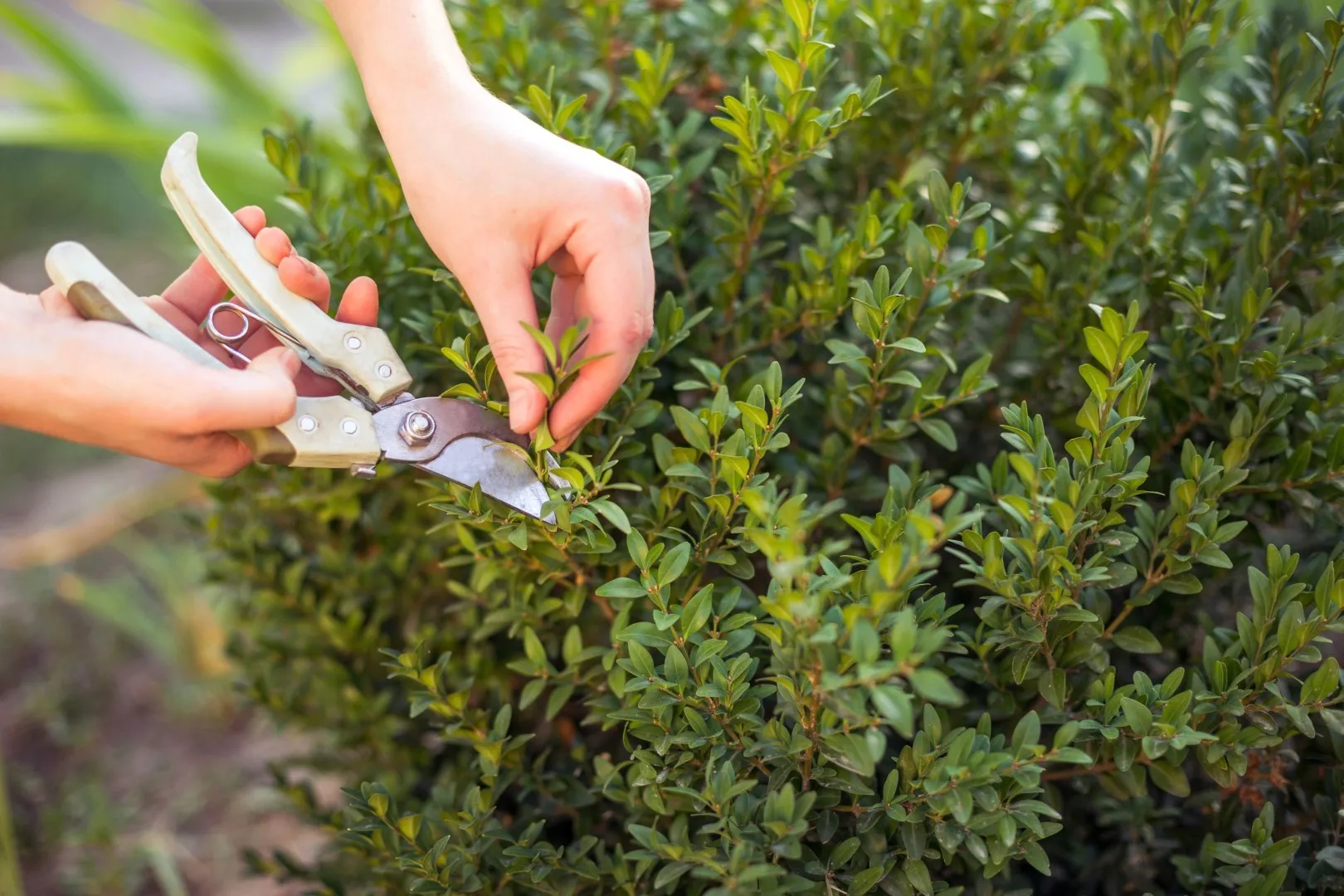
A solid fall planting plan starts with matching the right task to the right week, since transplanting trees and shrubs works best when timed around New Hampshire’s cooling soil and slower plant growth. Homeowners who skip this step risk stressed roots and weak spring growth.
Timing matters most for pruning. Fall pruning ranks among the best things New Hampshire homeowners can do for their shrubs, since getting the timing right sets plants up for stronger growth and better blooms the following season. Pair pruning with fall tree planting NH projects for a coordinated yard refresh before winter sets in.
What should New Hampshire homeowners plant first?
Privacy screening tops many wish lists. New Hampshire property owners frequently want fast-growing plantings that fill in quickly, blocking neighboring views without years of waiting.
How does moving established plants differ from new installs?
Moving trees and shrubs already established on a property requires extra root protection compared to planting nursery stock. A phased approach helps organize the season:
Prune and shape shrubs early in fall
Schedule transplant shrubs in fall projects before hard frost
Save larger tree transplanting New Hampshire jobs for cooler, wetter weeks
Groundhog Landscaping, based in Derry, NH, travels across the state to help homeowners plan and execute transplant trees in fall projects with confidence.
FAQ
What is the best window for transplanting trees and shrubs in October in New Hampshire?
New Hampshire’s USDA Zone 6a/6b supports transplanting between October 15 and December 1 during dormancy. This timing lets roots establish before winter without the heat stress that summer transplants face.
Why does fall planting beat spring planting in New Hampshire?
Spring weather in New Hampshire brings late snow, heavy rain, and sudden summer heat that stress new plantings before roots take hold. October’s cooler air slows transpiration, giving trees and shrubs a calmer, more reliable start.
Which trees should homeowners avoid transplanting in fall?
Beech, birch, maple, oak, and sweetgum establish best when moved before spring growth begins, so they should skip fall planting. Moving them in fall often causes weak establishment and stress the following summer.
Conclusion
In closing, October offers a genuine window for transplanting trees and shrubs in New Hampshire, one that rewards thoughtful timing and proper technique. By respecting the season’s cooler temperatures. Moisture patterns, you’re setting your plants up for success when they establish roots before winter arrives. Whether you’re refreshing a corner of your yard or reimagining your landscape, this fall opportunity deserves your attention. The key is acting soon and handling the work with care, and you’ll enjoy healthier, more established plantings come spring.