Essential Tips for Year-Round Landscape Maintenance
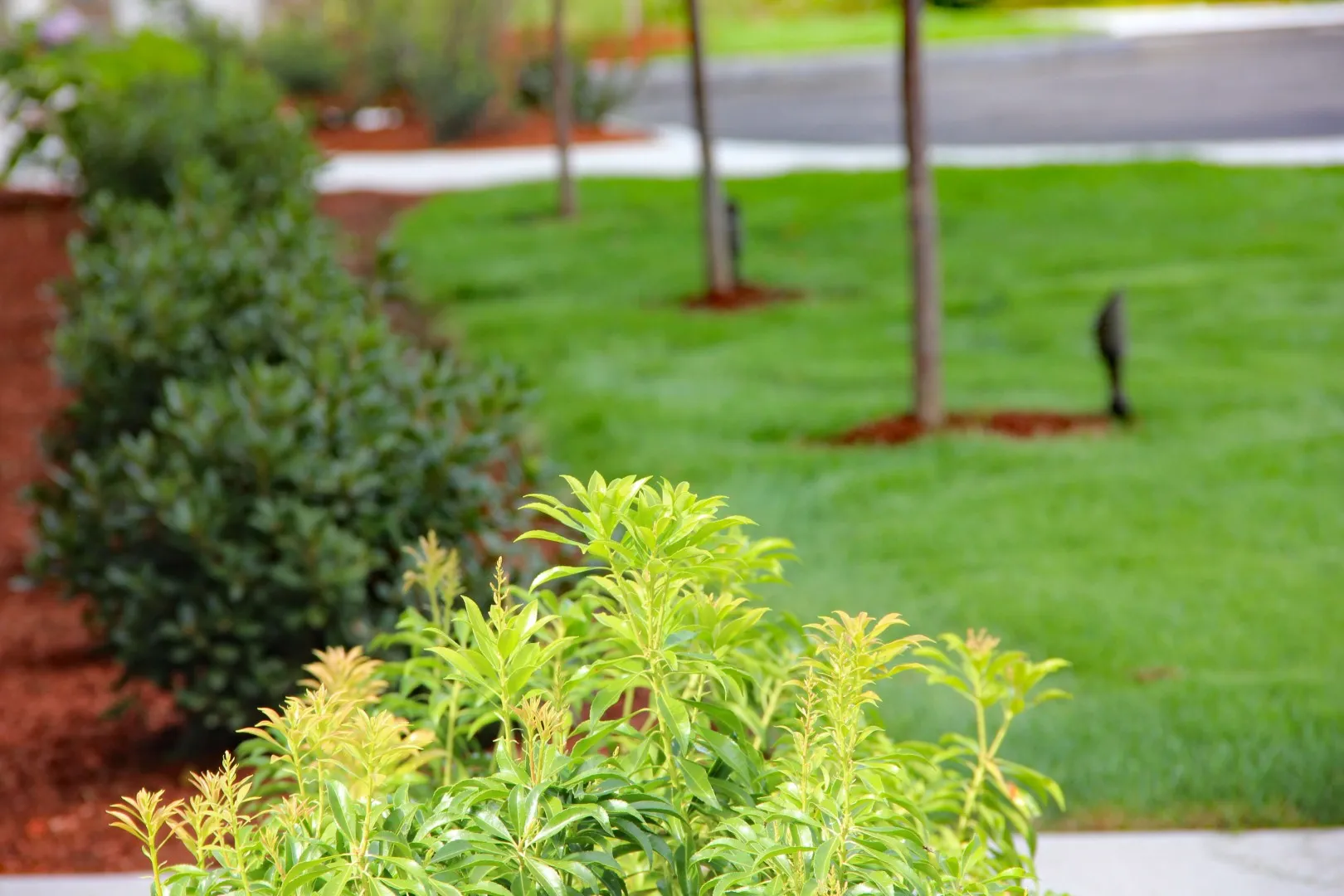
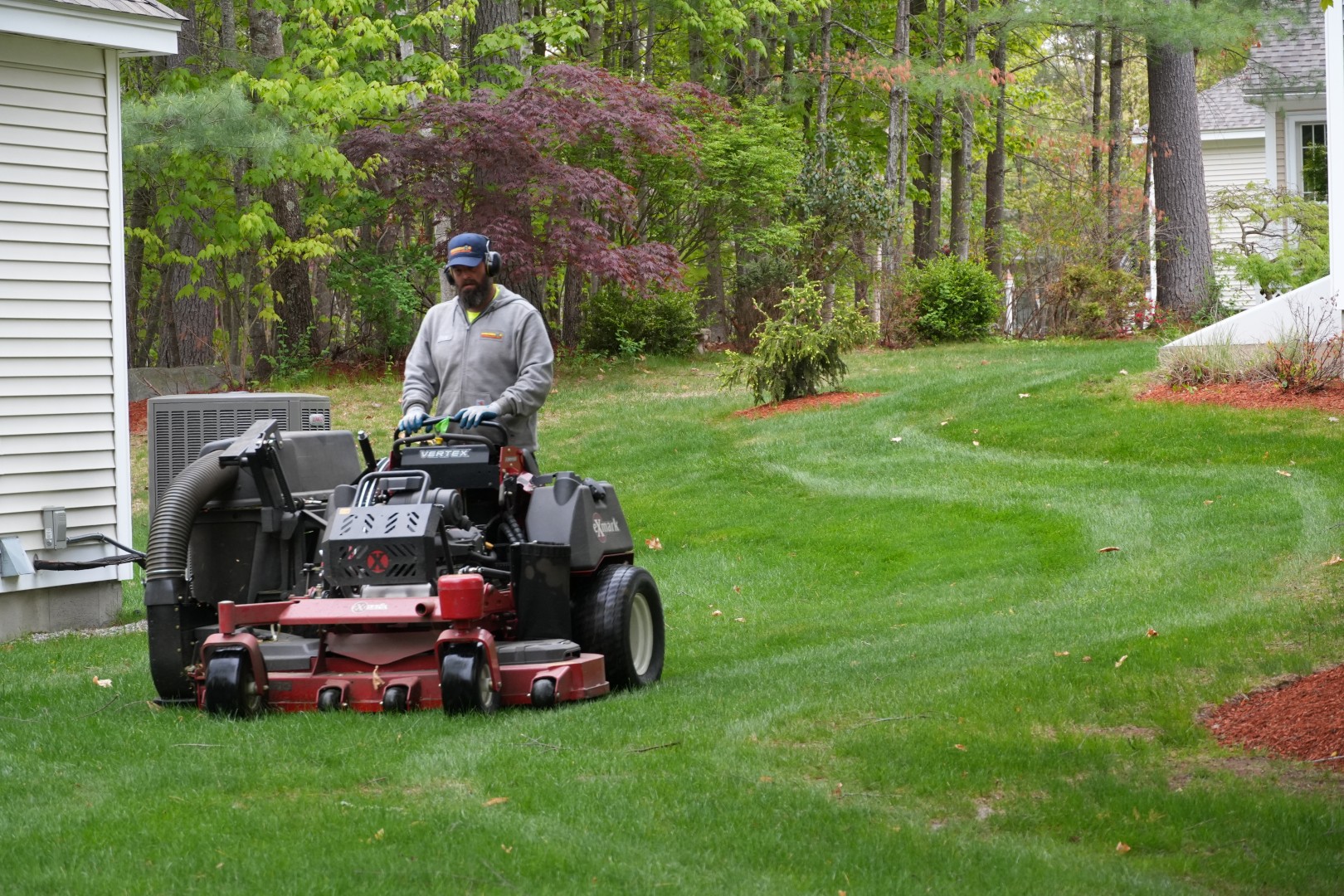
Maintaining a beautiful landscape throughout the year requires a strategic approach that adapts to seasonal changes. Regular upkeep, such as mowing, trimming, and seasonal planting, ensures that your landscape remains healthy and vibrant, regardless of the time of year.
In New Hampshire, it's crucial to prepare your landscape for winter by protecting plants from frost and ice. Additionally, spring and summer care involves proper watering and fertilization to promote growth. By following a seasonal maintenance schedule, homeowners can maximize the aesthetic appeal and health of their landscapes.
Benefits of Native Plants in Landscaping
Incorporating native plants into your landscape design offers numerous benefits, including reduced maintenance and enhanced biodiversity. Native plants are well-adapted to the local climate and soil conditions, making them more resilient to pests and diseases.
Moreover, these plants provide essential habitats for local wildlife, such as birds and pollinators. By choosing native species, you not only create a sustainable landscape but also contribute to the ecological health of your area, making it a win-win for both homeowners and the environment.
Understanding Soil Health for Optimal Plant Growth
Soil health is a fundamental aspect of successful landscaping, as it directly affects plant growth and overall landscape vitality. Healthy soil is rich in nutrients, has good drainage, and supports beneficial microorganisms that contribute to plant health.
Regular soil testing can help identify nutrient deficiencies and pH imbalances, allowing for targeted amendments. By investing in soil health, homeowners can create a thriving landscape that requires less water and fertilizer over time, leading to a more sustainable gardening practice.
Innovative Water Conservation Techniques for Landscapes
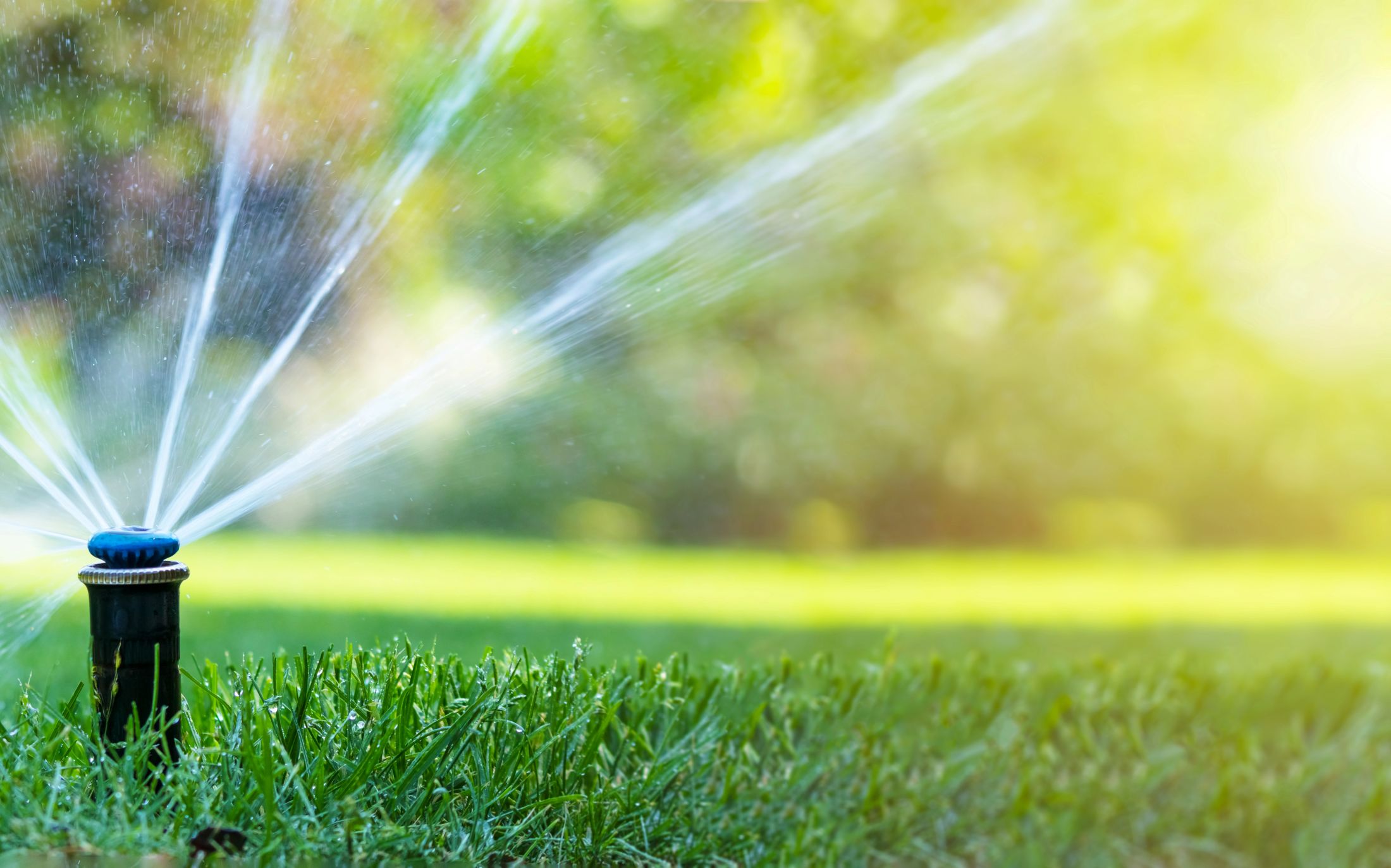
Water conservation is becoming increasingly important in landscaping, especially in regions prone to drought. Implementing innovative techniques such as rain gardens, xeriscaping, and drip irrigation can significantly reduce water usage while maintaining a lush landscape.
For instance, rain gardens capture and utilize runoff from impervious surfaces, while xeriscaping focuses on drought-tolerant plants that require minimal irrigation. By adopting these practices, homeowners can create beautiful, sustainable landscapes that conserve resources and reduce their environmental footprint.