
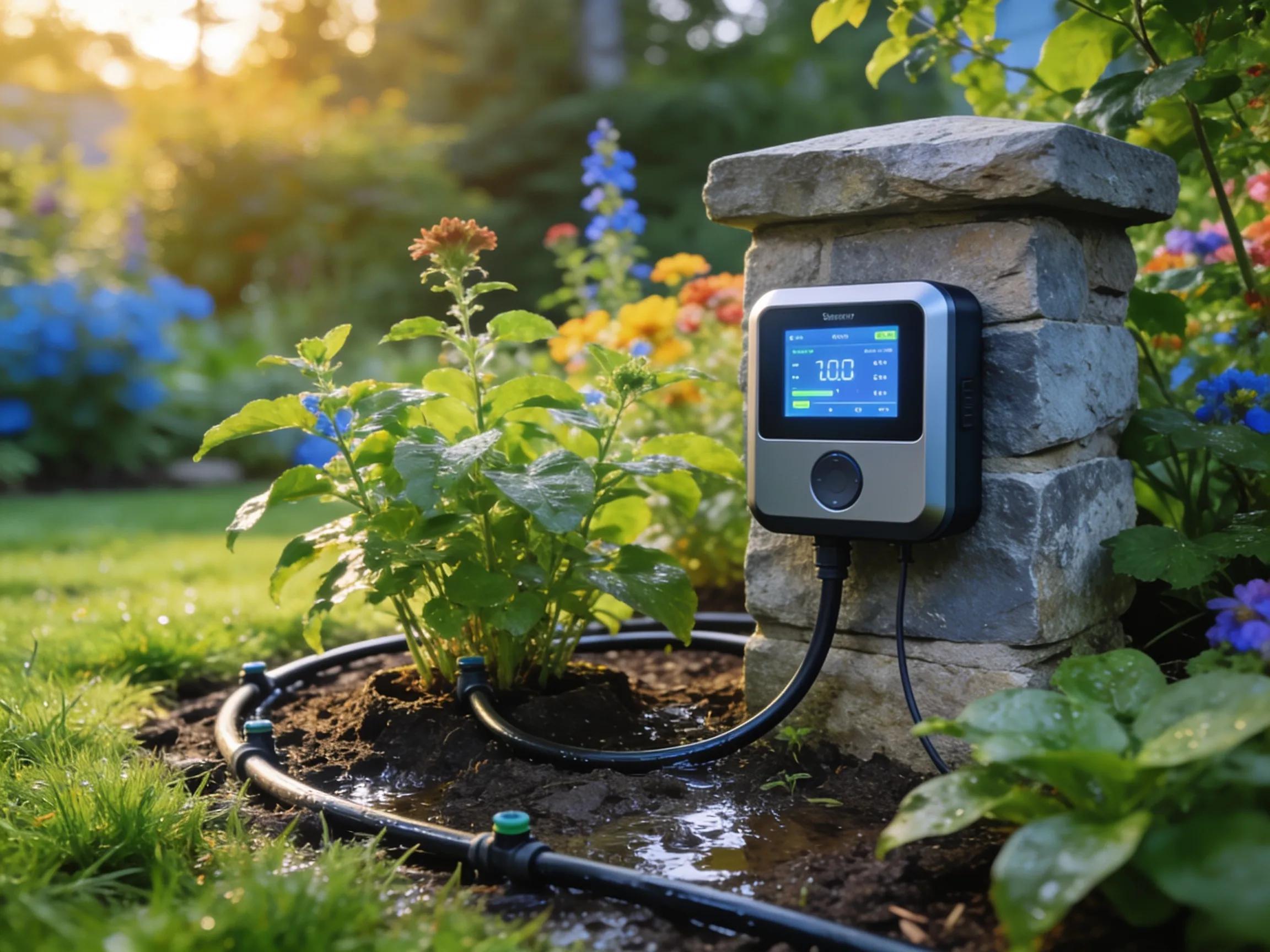
Smart Irrigation Installation in New Hampshire: How to Save Water and Boost Your Landscape
Implementing smart irrigation systems is essential for modern landscaping, especially in New Hampshire, where conservation is key. These advanced systems not only save water but also enhance the beauty and health of your landscape. In this article, readers will learn about various installation techniques, the importance of selecting the right plants, and maintenance practices essential for maximizing efficiency. Additionally, we will introduce the concept of smart irrigation systems, highlight the best options available for lawns, and walk through the installation process. With a focus on water conservation, discover how to protect your landscape investments while enjoying a lush and vibrant outdoor space.
Installation Techniques
Smart irrigation installation involves various techniques to optimize water usage while ensuring healthy plant growth. The goal is to match the irrigation method with the specific needs of the landscape, thereby maximizing efficiency. Key techniques include zoning, which segments areas according to plant water needs, and the choice of irrigation system types that complement these zoning strategies.
Irrigation System Types
When choosing the appropriate irrigation system, understanding your options is crucial. Some popular types include:
- Drip Irrigation: Ideal for target watering, it minimizes evaporation and runoff, directly supplying water to the roots.
- Sprinkler Systems: Versatile and efficient for larger areas, they cover varied landscape types and can be automated based on weather conditions.
- Soaker Hoses: Perfect for garden beds, these hoses seep water slowly into the soil, ensuring deep root hydration without waste.
Using the right system type enhances water conservation efforts while maintaining optimal landscape health.
Proper installation and preventative maintenance are critical for maximizing the effectiveness of drip irrigation systems.
Smart Drip Irrigation Installation and Preventative Maintenance using IoT
Installing and maintaining the drip irrigation system properly is into the preventive maintenance of drip irrigation systems to drip and different maintenance methods for achieving higherSDIPMIoT: smart drip irrigation and preventative maintenance using IoT, KA Jani, 2023
Save Water and Boost Your Landscape with Smart Irrigation

Choosing the right plants for a smart irrigation system is fundamental to achieving water efficiency. By selecting drought-resistant varieties and grouping plants according to their water needs, homeowners can significantly decrease the amount of water required for irrigation. Additionally, native plants are well adapted to the local climate, reducing the need for supplemental watering.
Maintenance Practices
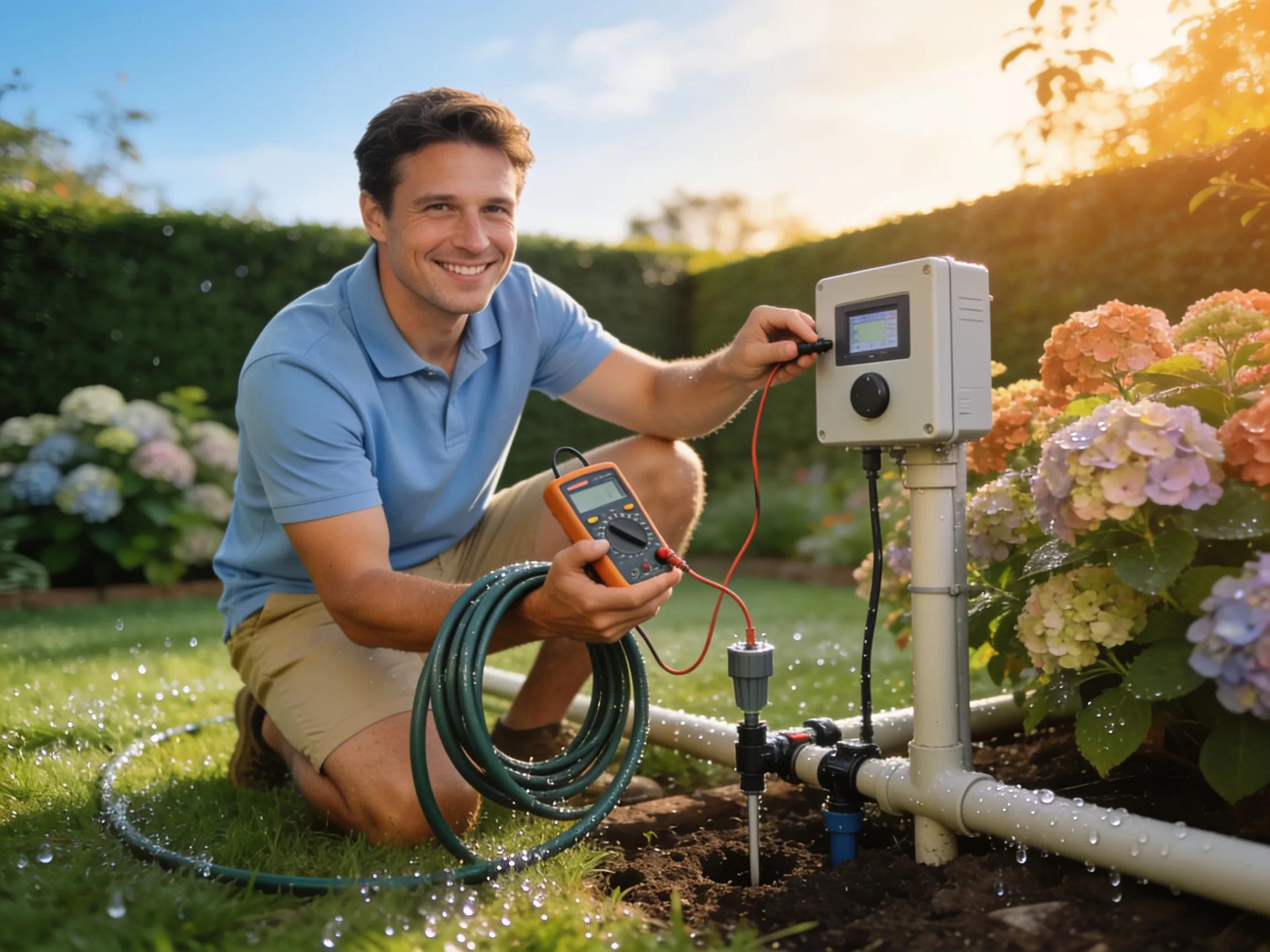
Regular maintenance of smart irrigation systems ensures optimal performance and longevity. Essential practices include:
- Regular Inspections: Check for leaks, clogs, or damages to the system.
- Seasonal Adjustments: Modify watering schedules according to seasonal changes and plant growth cycles.
- Use of Timers: Automating irrigation schedules based on climatic conditions can greatly reduce water waste.
Integrating these maintenance practices into your routine will support the efficiency of your smart irrigation system.
Smart Irrigation System Installation
Groundhog Landscaping Inc. provides professional consultation services for planning and installing smart irrigation systems. By assessing landscape needs and providing tailored solutions, they help homeowners enhance their outdoor spaces effectively.
What Are Smart Irrigation Systems and How Do They Work?
Smart irrigation systems are sophisticated tools that automate watering based on real-time data. They utilize soil moisture sensors and weather forecasts to determine when and how much to water, significantly improving water conservation. This technology maximizes landscape health while minimizing water waste, making it an ideal solution for modern gardeners.
The integration of AI and IoT has significantly advanced smart irrigation systems, leading to substantial water savings and improved agricultural yields globally.
AI and IoT-Based Smart Irrigation Systems for Sustainable Water Management
Artificial Intelligence (AI) and Internet of Things (IoT) integration has established a new generation of intelligent irrigation systems that deliver sustainable water management solutions to address world water scarcity problems and agricultural requirements. This literature review presents an analysis of the present situation and obstacles alongside emerging trends of AI and IoT-based smart irrigation systems supported by international examples and technological milestones. Physical water conservation through AI-driven irrigation systems combined with IoT sensor surveillance and drone monitoring results in 20-35% water savings at the same time as improved yield outcomes across Australian regions together with Indian and Spanish territories.
AI and IoT-Based Smart Irrigation: A Review of Challenges and Future Trends, Y Lawal, 2025
What Types of Smart Irrigation Systems Are Best for Your Lawn?
When selecting a smart irrigation system for your lawn, consider the following options:
- Weather-Based Controllers: Adjust watering schedules according to weather predictions, optimizing water use based on rainfall.
- Soil Moisture Sensors: Measure the moisture in the soil, allowing for precise watering only when necessary.
- Drip Irrigation Systems: Excellent for flower beds or vegetables, they provide targeted watering to specific plants.
These systems ensure that your lawn receives the right amount of water without unnecessary waste.
Weather-based irrigation scheduling technologies offer a significant advancement over traditional methods, ensuring more efficient water use and optimized crop productivity.
Smart Weather-Based Irrigation Scheduling Technologies for Efficient Water Use
Traditional irrigation methods show their significance and adaptability through their simplicity, low upfront cost, ease of use, and minimal reliance on technology. However, they often show lower water use efficiency as they can lead to inadequate watering, resulting in either short supply of water or water wastage and reduced crop productivity per unit of water supplied. Weather-based irrigation scheduling (WBIS) represents a significant advancement in agricultural water management practices. This innovative approach utilizes local weather data, particularly evapotranspiration rates, to optimize irrigation schedules and thus facilitate efficient irrigation management based on crop water needs.
Smart Weather-Based Irrigation Scheduling Technologies, P Halesha, 2025
What Does the Smart Irrigation Installation Process Look Like?
The installation process for smart irrigation systems generally follows these steps:
- Assessment of Landscape Needs: A thorough evaluation of the landscape to identify water needs.
- Selection of System Type: Choosing the most suitable irrigation type for the area based on assessments.
- Installation Steps: Ground preparation, placement of components, and configuration of the system to ensure optimal coverage.
Each step is crucial for achieving an efficient system that maximizes water conservation.
How Can You Maintain and Troubleshoot Your Smart Irrigation System?
Effective maintenance is critical to the functionality of smart irrigation systems. Suggested practices include:
- Regular System Checks: Inspections for leaks and damages are essential for preventing inefficiency.
- Routine Cleaning: Cleaning filters and any irrigation components prevents clogs and interruptions in water flow.
- Monitoring Performance: Keeping an eye on water usage metrics can help identify issues early on.
By routinely maintaining these systems, homeowners can enjoy efficient water use throughout their landscapes.
What Are the Costs and Financing Options for Smart Irrigation Installation?
Costs for installing a smart irrigation system can vary significantly based on several factors, including size, system type, and complexity. Groundhog Landscaping Inc. provides comprehensive quotes and explores financing options, making it easier for homeowners to invest in water efficiency.
What Incentives Are Available for Water-Efficient Landscaping?
Several state and local programs offer financial incentives to encourage homeowners to adopt water-efficient landscaping practices. These incentives can help offset the cost of installing smart irrigation systems, making the transition to sustainable landscaping more accessible for everyone.